🔄 Updated 21 Jun 2026
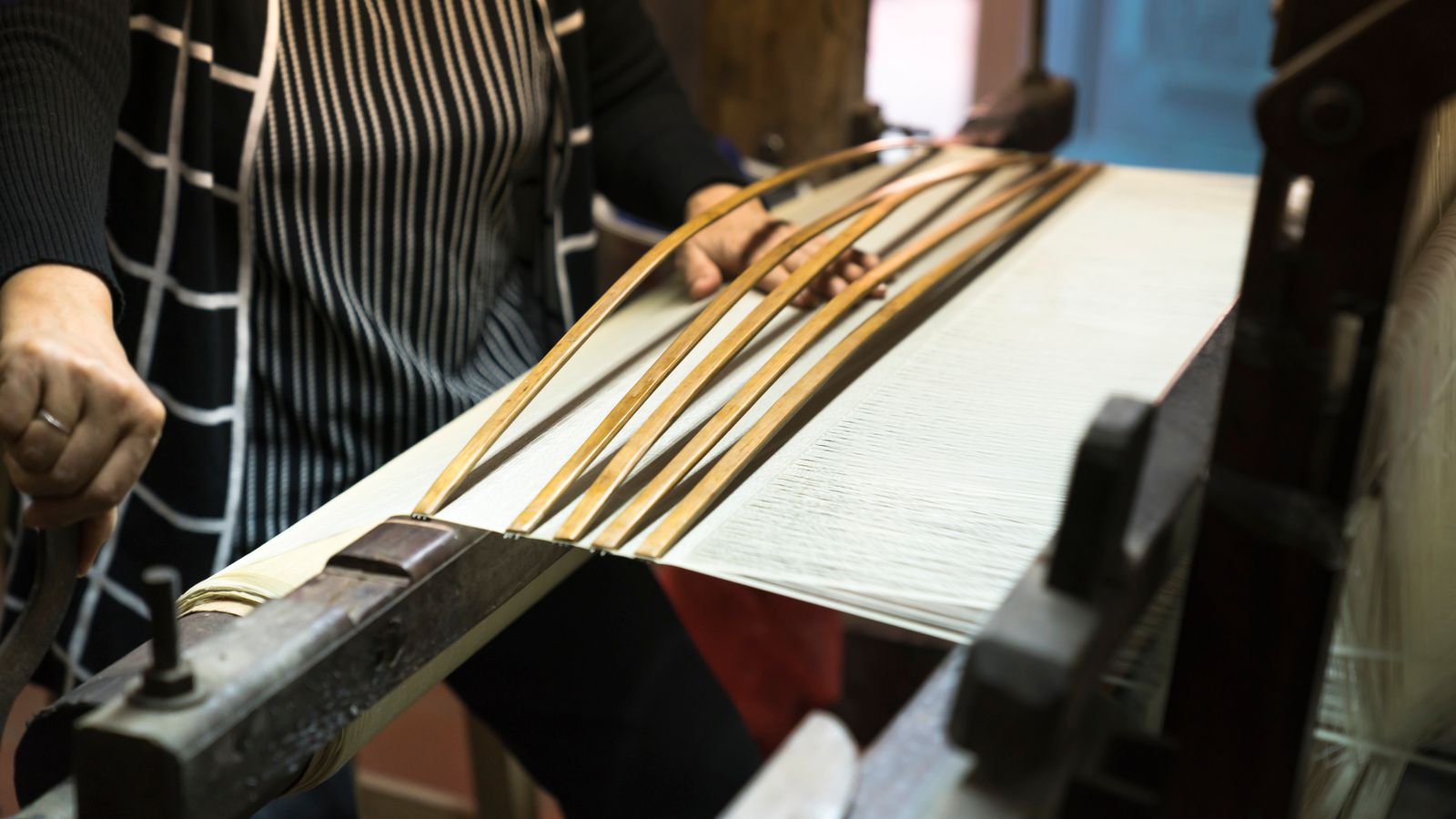
Woven cloth is one of Amnat Charoen's quiet specialties that outsiders rarely know about. Across the province there are groups of women weaving cotton and silk in several districts, working hand looms with techniques passed down generation to generation. The signature style is khid, a supplementary-weft technique where the weaver lifts the warp threads with a stick to create raised patterns across the cloth. The province even has its own provincial pattern, the khid takho phsom uea (hook-and-care pattern), which carries the meaning of generosity and helping one another.
The advantage of coming to the source is that you get to watch the real process — spinning cotton, dyeing, picking out the pattern, setting the loom — and talk to the weavers directly. Prices bought on site are usually cheaper than buying secondhand from a shop in town, and you can choose whether you want lengths of cloth, a scarf, a khid pillow, or a bag.
Weaving villages you can actually visit
Amnat Charoen doesn't have one central weaving village like a big tourist town. Instead it's groups of village women in each subdistrict who weave as a side trade alongside farming rice. Before you go, it's worth calling ahead, because on some days the group is out in the fields and not sitting at the loom. These are the groups with a clear presence that welcome visitors.
Ban Kham Phra Cotton Khid Weaving Group
The Ban Kham Phra women's group has been going since 1992 (B.E. 2535), weaving mostly cotton khid cloth and turning it into khid pillows, bags, scarves and close to a hundred kinds of goods. It's an OTOP 5-star group that once wove a 2,199.99-metre length of cotton khid presented to His Majesty King Rama IX. It's the best-organized group in the province, with a sales centre where you can stop and shop.
Ban Dan Charoen Silk Weaving Group
The Ban Dan Charoen community weaves silk as its main trade, known for dyeing silk with natural colours, and it's an OTOP Nawatwithi tourism community. Good if you want to see both the weaving and the village atmosphere in one place.
Pueai Subdistrict Natural-Dye Cotton & Silk Group
A community enterprise in Pueai subdistrict, Lue Amnat district, focusing on cotton and silk dyed with bark, leaves and local natural materials. The colours come out in earthy tones — good for anyone who likes soft, understated cloth rather than bright shades.
Ban Khong Aram Weaving Group
The Ban Khong Aram women's weaving group works silk, khid and cotton alike. It's based in Pathum Ratchawongsa district, so it's a good stop if you're travelling through the northern part of the province near the Lam Sebai river.
Ban Sang Tho Nok Weaving Group
The people of Ban Sang Tho Nok weave mudmee (ikat) silk and cotton khid. It's in Hua Taphan district, the same as Ban Kham Phra, so you can easily pair the two on a single trip.
Ban Sao Rik Mulberry & Silkworm Group
A group that does the full cycle — growing mulberry, raising silkworms, reeling the silk and weaving it. If you're genuinely interested in the upstream process of silk, you'll see more here than at groups that just buy in the thread and weave.
Call ahead to arrange a visit
Most weaving groups are village women who farm rice on the side, so during planting season they may not be at the group. Call to check through each subdistrict's administrative office (Or Bor Tor) or the district community development office before you go, so you'll actually meet the weavers and find a full selection to buy.
Want more out of Amnat Charoen? Book tours & activities
Booking online ahead on Klook or GetYourGuide is usually cheaper than the gate and skips the queue. Pick only the experiences you actually want — prices and availability are shown live on each site.
What is khid cloth, and why is it the local specialty
Khid cloth uses a "khid pick-up" technique: the weaver uses a stick to lift the warp threads in rhythm so the weft can be threaded through, creating raised patterns that stand out across the cloth. This gives the design more dimension than a plain weave. Isan people have long used khid cloth for pillows, scripture wraps and items for merit-making ceremonies. Amnat Charoen took this tradition fully to heart, to the point of having its own provincial pattern.
- Khid takho phsom uea (hook-and-care pattern) — Amnat Charoen's provincial pattern, symbolising generosity, kindness and helping one another.
- Khid pillows — a popular souvenir, light and easy to carry home, starting in the low hundreds of THB.
- Cotton scarves / shawls — genuinely usable, a good gift for older relatives.
- Lengths of mudmee silk — for anyone who wants cloth to have tailored, with the price depending on how fine the pattern is.
Shopping for souvenirs that are worth it
Buying at the source has the edge: the price comes straight from the weaver and you get a wide choice. But each group's goods are different, so if you have time, leave room to look at several groups before you decide.
Handwoven cotton
Soft and comfortable in the heat, and affordable — good for buying several pieces to hand out as gifts.
Naturally dyed silk
Soft earth-tone colours, gentle on the skin. The colour varies slightly from piece to piece because it's dyed from natural materials.
Khid-cloth products
Khid pillows, bags, coasters — small, inexpensive items that are easy to carry home.
How to tell it's genuinely handwoven
Flip the cloth over and look at the back. On handwoven cloth the pattern runs cleanly on both sides but has a slight unevenness you won't get from a machine. With naturally dyed cloth, the colour shifts a little from piece to piece — that's part of the charm, not a flaw.
An easy two-day weaving-village trip
Because the weaving groups are spread across several districts, planning a short trip lets you stop at a few without wearing yourself out. This plan assumes you're driving yourself, starting from Amnat Charoen town.
Hua Taphan zone — cotton khid
Natural-dye zone + silk
Getting there and what to know
- A private car is easiest — the weaving groups are out in the subdistricts and public transport doesn't reach every spot, so renting a car or driving yourself is by far the smoothest option.
- Allow time and book ahead — call the Or Bor Tor or district community development office first to make sure weavers will be there and the group is open to visitors.
- Carry cash — most village groups take cash; don't rely on cards or QR payment alone.
- Festival and merit-making seasons — at certain times the groups are busy with village events, so it's better to check first.
Plan a full Amnat Charoen trip — temples, nature and local food
See the Amnat Charoen travel guide →