🔄 Updated 21 Jun 2026
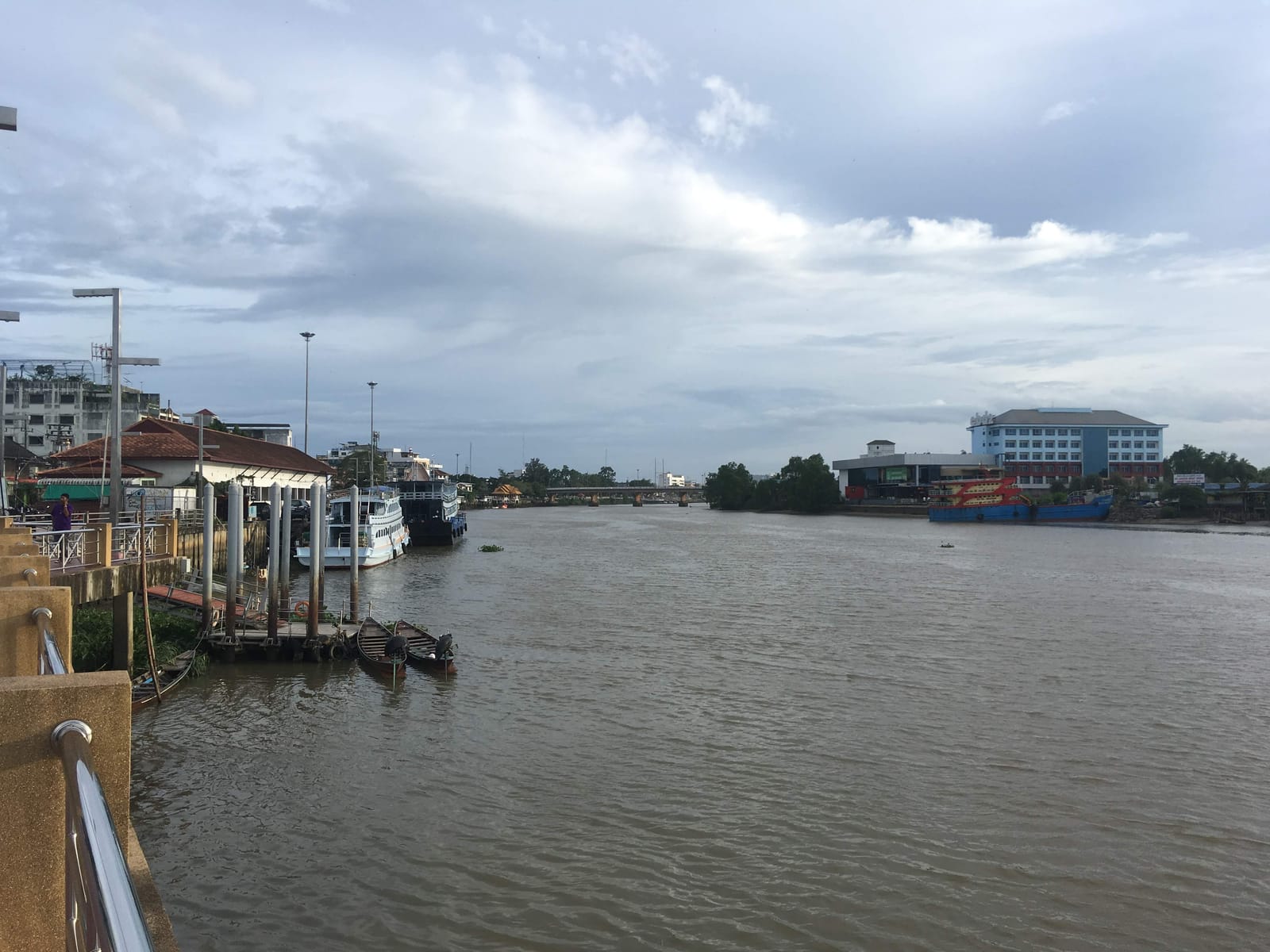
Mention Surat Thani and a lot of people picture it as the way station to Koh Samui and Koh Phangan, but the town itself sits right on Ban Don Bay, a shallow bay of around 400,000 rai that stretches from Chaiya, Tha Chang, Phunphin and Mueang through Kanchanadit all the way to Don Sak. It's a major oyster and cockle farming area, with dense mangroves and countless small canals that locals collectively call the Roi Sai canals ("a hundred strands"), which link up with the Tapi River. All of which means you can come here to eat fresh oysters, boat out to the farms, and cruise the canals to see fireflies, all in one trip.
The nice part is that almost every spot is only 15–40 minutes from town and you can drive yourself there. Most of it is community-based tourism (CBT), so you need to call ahead to book a boat — these aren't places where you wander in and find a service waiting all day. We'll walk through each spot below.
Spots around Ban Don Bay you can actually boat out to
Sinmana Farmstay (Kanchanadit)
A wooden stilt hut at sea, about 3 kilometres offshore, on a natural oyster farm. You take a boat out to see how they raise oysters, mussels and cockles, watch them set nets for shrimp, crab and fish, then sit and eat fresh oysters right there on the hut. This is the highlight for anyone who wants to see oyster farming in full, and you can stay overnight at sea.
Lilet Community (Phunphin)
A conservation-focused tourism community with a large mangrove forest of nearly 8,000 rai. The draw is a daytime boat ride through the mangroves, then an evening run out to watch fireflies along the canal. Along the way you'll see locals pounding shrimp paste and gathering shellfish. Good for anyone who wants a quiet community feel at a friendly price.
Roi Sai Canals – Ban Bang Bai Mai (Mueang)
Bang Bai Mai is a sub-district of canalside orchard homes, the closest of these spots to town. Hundreds of small canals weave through and connect to the Tapi River, lined on both banks with nipa palms, coconut trees and old wooden houses, some over a hundred years old. Take a morning boat through the canals, stop at the nipa palm tunnel, taste nipa-palm honey and nipa-palm vinegar, then come back for fireflies after dark.
Koh Rat (Don Sak)
A small island on the Don Sak side of Ban Don Bay, linked from Laem Luen by the Chalerm Siri Rat bridge of about 500 metres, so you can drive straight onto it. Inside is a fishing community with bay viewpoints, oyster farms and local seafood restaurants. Worth a stop if you're already heading to Don Sak to catch the ferry to Samui.
Stone Fish Museum (Don Sak)
A small museum where local craftspeople carve stone into various sea fish. It's an extra stop while you're exploring the Don Sak side — not big, but unusual, good for photos and a break along the way.
Bayside seafood markets & piers (Mueang)
Along the edge of Surat Thani town are stalls selling fresh and dried seafood straight from Ban Don Bay — plump oysters, cockles, shrimp, blue crab, salted fish, shrimp paste — cheaper than in bigger cities. It's the place to pick up souvenirs to take home before you leave town.
Always book the boat first
Nearly every spot is community-based tourism, so there aren't boats waiting all day the way there are at big attractions. Call to book at least a day ahead, tell them how many people and when you want to see the fireflies (usually after sunset, around 6.30–7.30pm), and you'll have a boat for sure and a clear price.
Want more out of Surat Thani? Book tours & activities
Booking online ahead on Klook or GetYourGuide is usually cheaper than the gate and skips the queue. Pick only the experiences you actually want — prices and availability are shown live on each site.
How oyster farms work, and why the oysters here are so plump
Ban Don Bay is where fresh water from the Tapi River meets the sea, creating brackish water rich in plankton — prime oyster food. Locals plant wooden stakes or hang ropes and tiles in the water for the oyster spat to settle on, then let them grow naturally for several months before harvesting. That's why the oysters here are large with creamy white flesh; many sellers call them "big oysters, yolk inside" after their size and the colour of the meat.
When you take the boat out to a farm, you'll see rows of wooden stakes planted in long lines across the bay. The farmers demonstrate prying the oysters off the stakes, washing them, shucking them, and eating them fresh, dipped in seafood sauce with garlic and fried shallots. This is the reason a lot of people are willing to drive all the way out to the middle of the bay.
- When oysters are at their plumpest — around late rainy season into early cool season, when the bay water is calm and the oysters fatten up fully
- Eating them raw means trusting the source — fresh raw oysters are best from a farm or a place with quick turnover; if you're not used to raw, order them blanched or grilled
- Blanched cockles — the other star of this bay, blanched just until the outer edge turns red, dipped in spicy sauce; southerners always eat them alongside
Cruising the Roi Sai canals to see fireflies
The other charm of Ban Don Bay isn't out at sea but in the mangrove canals that branch off into a hundred strands, both on the Bang Bai Mai side (Mueang) and the Lilet side (Phunphin). By day you take a boat through nipa palm and mangrove forest, watch birds and see locals gathering shellfish and pounding shrimp paste. After dark, the same canals turn into a firefly theatre — the sonneratia and nipa palms along the water blink in sync, all on the same rhythm.
Lilet (Phunphin)
Large mangrove forest, raw and quiet, focused on learning about community life and nature, easy on the wallet. Good for the conservation-minded.
Bang Bai Mai (Mueang)
Closest to town, with old wooden houses along the canal, a nipa palm tunnel, and local coconut-based snacks. Good if you're short on time.
Fireflies and the season
Fireflies are around almost year-round, but they're most numerous and clearest on dark, moonless nights with no rain. Just after fresh rain, when humidity is high, you'll often see them well. Avoid nights with a full moon, since moonlight washes out the firefly glow.
How to get to Ban Don Bay
- From Surat Thani town — Bang Bai Mai / Roi Sai canals are only ~15 minutes away, Lilet (Phunphin) ~30 minutes, Kanchanadit (Sinmana) ~30–40 minutes, Don Sak / Koh Rat ~45–60 minutes
- Private car / rental — the most convenient, since the spots are spread out and public transport doesn't reach them all; rent a car in town or at Surat Thani airport
- Combine with the Samui ferry — if you're already planning to catch the ferry at Don Sak, stopping at Koh Rat and the Stone Fish Museum on the way fits in nicely
- Contact the community — call ahead to book the community tourism group, telling them how many people, what time, and whether you want a seafood meal too
Ban Don Bay 2-day, 1-night plan
Town side – Roi Sai canals
Out to sea for the oyster farm
What to prepare and good to know
- Sun protection, all the way — out in the bay there's no shade, the sun is strong and reflects off the water; wear a hat, sunglasses and long sleeves
- Allow for the tides — at some spots boats can only go out with the tide, so ask the community about boat times first
- Cash — many communities mainly take cash, so bring enough
- Respect the working areas — this bay is a real livelihood for fishing families, so don't throw rubbish in the water and ask permission before photographing people
Keep planning your Surat Thani trip — town, islands and Khao Sok
See the Surat Thani guide →