🔄 Updated 21 Jun 2026
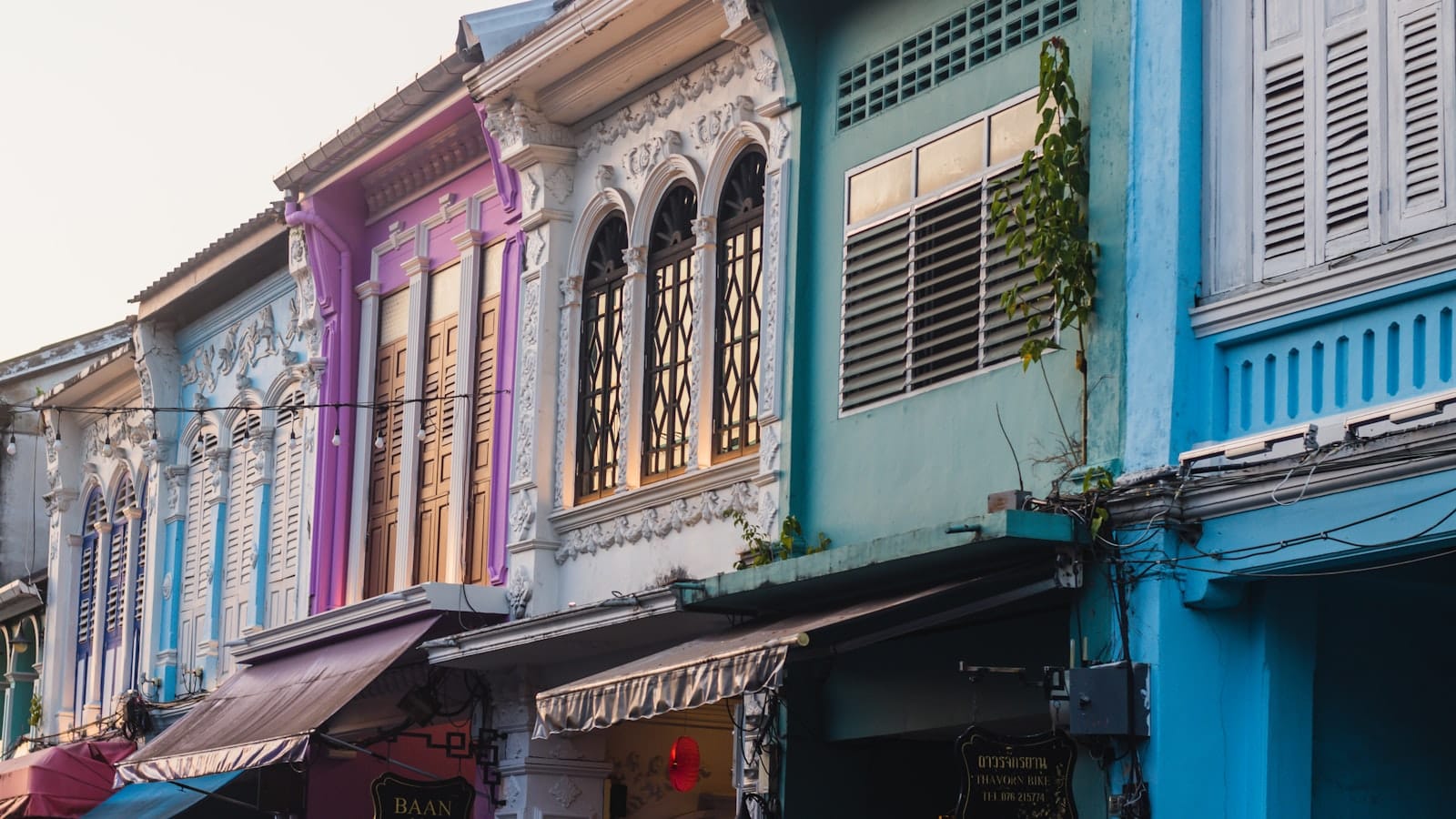
Mention Yasothon and most people think of the rocket festival before anything else. But right in the town center there's an old quarter you can wander for an easy half day: Ban Singha Tha, the original trading district that grew up along the river as a swap point for Thai, Chinese, and Vietnamese merchants back when France still played a role in the region. You can still read that mix in the faces of the shophouses that have survived to today.
What makes it interesting is that the quarter wasn't staged for tourists. It's still a place where Yasothon locals actually live — grocery shops, barbers, and gold dealers sit alongside new-wave cafés that have moved into the old buildings. Walk through and you'll see old signs and new signs right next to each other. That's the charm that sets Ban Singha Tha apart from old towns renovated until they feel too polished.
How Ban Singha Tha came to be
The Ban Singha Tha community took shape around the late 19th century, when groups of settlers built homes along the river and traded until the area became the town's commercial heart. As French influence arrived, Vietnamese craftsmen were brought in to help construct the buildings, and together with the Chinese merchants who settled here, the houses in this quarter ended up as a blend of Chinese art, European style, and local craftsmanship.
A lot of people compare the architecture here to Phuket, since both are Sino-Portuguese work from around the same era. The difference is that Ban Singha Tha is far quieter — no crowds of tourists, no long rows of souvenir shops — so you can take in the buildings at your own easy pace.
Want more out of Yasothon? Book tours & activities
Booking online ahead on Klook or GetYourGuide is usually cheaper than the gate and skips the queue. Pick only the experiences you actually want — prices and availability are shown live on each site.
Century-old shophouses: what to look for
As you walk, the thing to notice is the detail on buildings that have kept their original features. Slow down a bit and look up at the gables and window frames — you'll see that no two are alike.
- Folding wooden doors — many buildings still use accordion-style doors that fold fully open across the shopfront, an original feature that's hard to find in other towns.
- Pastel color tones — most walls stick to soft shades: creamy yellow, faded blue, muted green, set against white stucco trim. They photograph with a nicely aged, old-world mood.
- Stucco over windows and gables — European-meets-Chinese stucco patterns still survive on many of the old buildings. Look for the air vents, balustrades, and hand-made square columns.
- Wood-and-masonry structure — shophouses of that era were usually masonry on the ground floor and timber above, which kept them light and let air flow well in the hot northeastern climate.
Best time to walk for photos
Yasothon's midday sun is brutal. Walk in the early morning, 08:00–10:00, or in the evening from 16:00 onward — the low-angle light gives the old buildings and stucco work real depth and photographs far better than at noon.
Key stops in the quarter
Ban Singha Tha isn't just shophouses. Around the quarter there's also a Chinese shrine and an old temple within walking distance, which paints a picture of a Thai-Chinese community that has lived side by side for a long time.
Yasothon City Pillar Shrine
A building with a Thai-style roof but Chinese decorative art, with dragon statues flanking the doorway on both sides. It's been a focal point of faith for the quarter's residents for years.
Wat Maha That
An old temple that's part of the town's heritage, home to the Phra Phutta Bussayarat image and the Yasothon stupa. It's a short walk from the old-building quarter, so it's easy to drop in and pay respects afterward.
The old shophouse street
The heart of Ban Singha Tha is the street lined with shophouses on both sides. Walk it slowly and take in the old signs, the original shops, and the corners where locals still go about their daily lives.
Cafés inside the original buildings
What has brought Ban Singha Tha back to life lately are the cafés that chose to open inside the old buildings without tearing out what was there. Many kept the walls, floors, and timber framing, then added modern comforts — so you really can sip your coffee while soaking up the old-town atmosphere.
Vachi Old Town
A specialty café in an old building near the front of Wat Singha Tha, decorated to blend in with the original structure. It serves drinks and homemade bakery items, and it's the first place people tend to think of when talk turns to cafés in this quarter.
Singha Nom Sod
A well-known spot in the quarter — an old wooden house with a Chinese-leaning vintage feel, with both air-conditioned seating and breezy outdoor corners. It's known for fresh milk and a long menu of savory and sweet dishes. Open from morning to night, it works for breakfast and for an easy evening sit.
Beyond these two, the quarter has small cafés and coffee shops tucked into the old buildings here and there. Some come and go depending on the season, so it's worth exploring on foot for the atmosphere — a few are lovely but don't post much on social media, so they're not easy to find online.
Check before you go
Some of the small shops in this quarter close on weekdays or keep irregular days off. If you have your heart set on one particular shop, check its page for the day you're going so you don't turn up to a closed door.
Half-day walking plan
Ban Singha Tha can be done in a relaxed half day, making it a good morning or evening segment of a Yasothon trip. Here's an order that flows smoothly.
Walk the quarter + café
An option for late risers
Getting there and parking
- Location — Ban Singha Tha is in the Yasothon municipality, Mueang district, close to the town center, within walking distance of the temple and market.
- By car — the most convenient option. Drive into town and find street parking or use a shop lot such as Singha Nom Sod's.
- On foot — once you reach the quarter, leave the car and walk, since the points of interest are all close together.
- Visiting hours — you can view the buildings any day with no entry fee; for cafés and shops, check the hours shop by shop.
Pair it up to make the trip worth it
Ban Singha Tha doesn't take long, so it pairs well with other spots in town: walk the old quarter in the morning, head to a park or the stupa in the afternoon, then finish with local food for a full Yasothon day that doesn't wear you out.
Plan a full day in Yasothon — where to stay, eat, and go
See the Yasothon travel guide →