🔄 Updated 12 Jun 2026
Betong sits at the very southern tip of Yala, right on the Malaysian border. It's a town known for its morning mist, the Aiyoeweng sea of fog, Hokkien-Chinese cooking, and local food you'd be hard pressed to find anywhere else. One of those dishes is running-water tilapia, which locals describe as a completely different fish from the tilapia they'd eaten before. The difference isn't in the recipe — it's in how the fish are raised from the very start.
Why Betong tilapia has no muddy taste
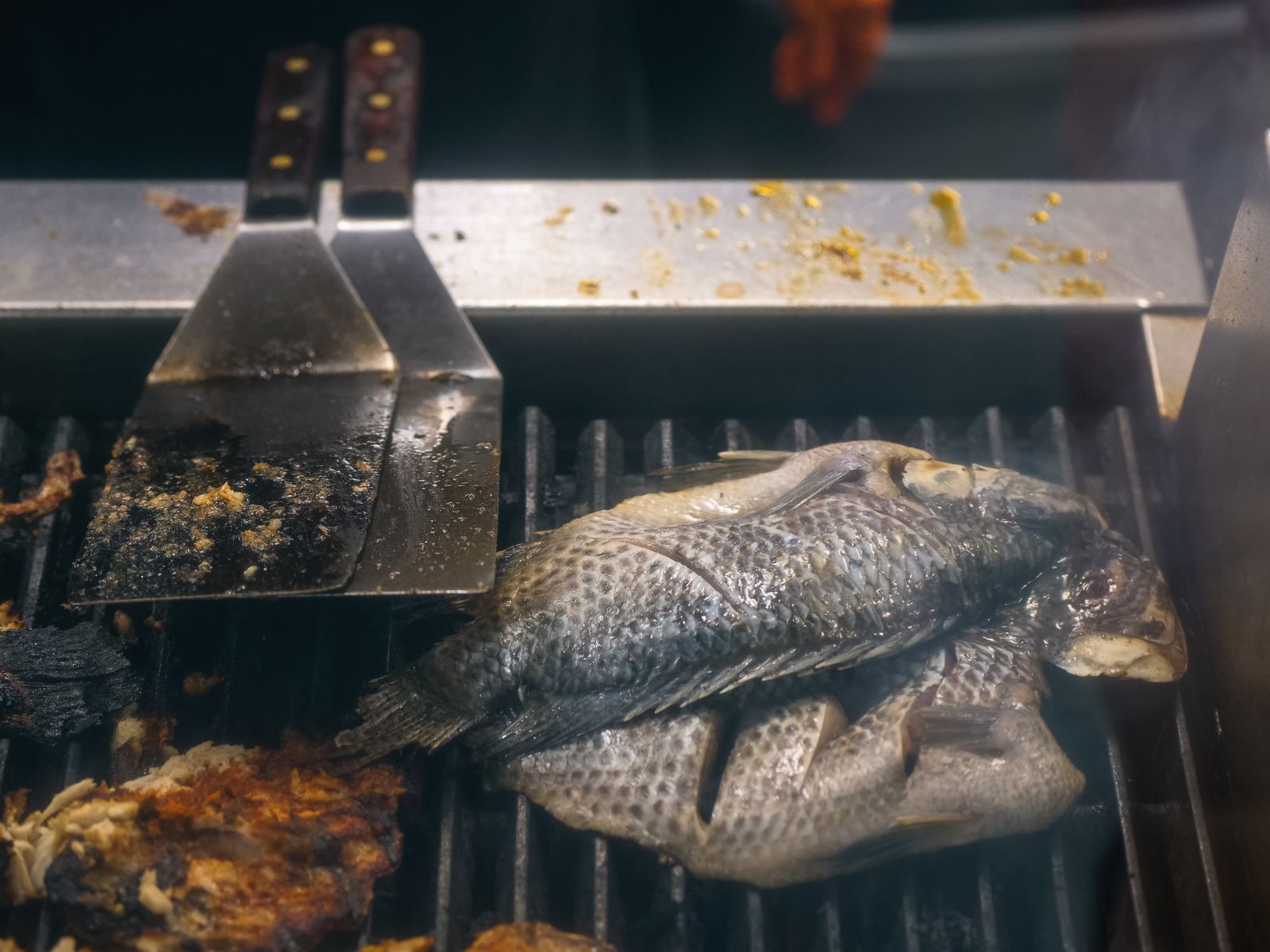
That muddy smell in ordinary tilapia usually comes from still pond water full of algae — the fish soak that smell straight into their flesh. In Betong, though, the farmers use water that pours down from the Sankalakhiri mountains around the clock: cold, clear, and high in oxygen, which means the algae behind the smell barely gets a chance to grow. Fish that have to swim against the current all day are basically exercising non-stop, so the flesh ends up firm, springy, low in fat, and free of any earthy taste. Some restaurants are even confident enough to serve it raw as sashimi — something ordinary pond tilapia simply can't pull off.
- Cold mountain stream water — water temperatures stay low almost year-round, so the fish grow slowly but the flesh is firm
- High oxygen — constant flowing water makes it hard for the algae behind the muddy smell to take hold
- Fish swim against the current — like exercising all day, which is why the flesh is springy and low in fat
- A long tradition — the original farmers in the running-water village have raised these fish for decades, until it became one of Betong's signature foods
Want to taste deeper? Try a Yala food tour or cooking class
Half a day with a local who knows the lanes — or cooking a dish yourself — teaches you more than just eating. Book ahead on Klook or GetYourGuide.
The best-known running-water tilapia restaurants in Betong
Most running-water tilapia restaurants in Betong are outside the town, around Tanoh Maeroh subdistrict on the road up into the hills, near Mun Bupha Flower Garden and the route to Aiyoeweng. You'll need a car or a hired ride to get there, since it's a fair distance from Betong market. We've ordered these by how well known they are and how consistent the flavour is — not by a fixed ranking of which one tastes best, since many of them use fish from nearby farms anyway.
Running-Water Tilapia Farm (Ko Ngiw)
This is the first place that comes to mind when people talk about Betong's running-water tilapia. The owner has raised fish in the running-water village for decades, and the restaurant sits right beside the ponds, so you get fish that's about as fresh as it comes — firm, clear flesh with no fishy smell. The standout dishes are fish-sauce fried tilapia, soy-steamed tilapia, blanched tilapia with dipping sauce, and the tilapia sashimi they're confident enough to serve raw. A single fish can be split across several dishes. Reviews mostly rave about the freshness; the one thing to note is that the wait can run long when tour groups arrive.
Zhang Jia Yi (Soi Ari, central Betong)
For anyone who'd rather not drive out of town, Zhang Jia Yi in central Betong brings in running-water tilapia and turns it into dishes — a more convenient option if you're staying in town without a car. Its big draw is the central Betong location: you can order tilapia alongside other local Chinese dishes in one sitting. It works well as a dinner spot after a day out sightseeing.
Tilapia spots around Tanoh Maeroh–Mun Bupha Garden
Along the road up to Mun Bupha Flower Garden and out toward Aiyoeweng, you'll find several running-water tilapia spots scattered about. Many are family homes that raise their own fish and have opened small restaurants, perfect for a stop on your way up to see the sea of fog or on the way back down. The flavour is pretty similar across the board since they all use water from the same mountain source. Pick a spot that already has a few people seated — that way you'll get fish that's been turning over fresh.
Call ahead before you go
Betong tilapia restaurants tend to net the fish straight from the pond when you order, and larger fish in certain sizes can be limited. Around midday on holidays, when tour groups all show up at once, the wait gets long. Call to reserve a table and let them know in advance how many fish you want and which dishes — that way your food comes faster and you won't miss out on what you wanted to try.
Tilapia dishes worth ordering
The charm of running-water tilapia is that a single fish can be split into several dishes. Many restaurants will ask how many ways you'd like the fish prepared, then divide it up and cook each portion differently. If you're a group, order a big fish and split it across 2–3 dishes — that way you get to try several flavours in one meal.
Fish-sauce fried tilapia
Cut into pieces and fried until the skin crisps up, then finished with good fish sauce while the flesh inside stays soft and juicy. It's the crowd favourite that nearly every table orders, and it's a delight with hot steamed rice.
Soy-steamed tilapia
Steamed whole and dressed with Chinese-style soy sauce, scattered with shredded ginger, spring onion, and chilli. You get the full, fresh flavour of the fish — you can clearly tell the flesh is firm and free of any muddy taste. Great if you prefer milder flavours.
Blanched tilapia with dipping sauce
Blanched just until cooked, then dipped in a punchy seafood sauce — a dish that really shows off how fresh the fish is. It's springy to the bite. If you want to taste the true flavour of the fish before any seasoning, order this one.
Tilapia sashimi
The highlight of running-water tilapia — clear flesh sliced thin and eaten raw, Japanese sashimi style. It's only possible because the water the fish are raised in is clean and cold, and it's something ordinary pond tilapia can't do. Only a few restaurants offer it, so try a piece if you're okay with raw fish.
Clear tom yum tilapia
A clear tom yum that's sour, spicy, and well balanced, with natural sweetness from the fresh fish. Sipped hot up in the cool mountain air, it really hits the spot.
Stir-fried Betong watercress
Not a fish dish, but a side worth ordering. Watercress is a local Betong vegetable that also grows in running water, stir-fried crisp with oyster sauce — it cuts nicely through the richness of the fried fish.
How to get there and fit tilapia into a Betong trip
The best-known tilapia restaurants are outside town on the road up into the hills, so they line up perfectly with the day you head up to see the Aiyoeweng sea of fog or explore the nature around Betong. Here's an example of how to slot your meals neatly into the route.
Arrival day in Betong — your first tilapia meal
Up the hills for the mist — tilapia by the pond
Check the situation before you travel
Betong is a popular tourist town and generally safe, but because it sits in Thailand's deep-south border region, it's worth checking the news and official government announcements about routes and the latest situation before you set off, in case of checkpoints or temporary road closures. Carry your ID, and respect the local culture of both the Muslim-Malay and Hokkien-Chinese communities — dress modestly when entering places of worship.
Read the full Yala–Betong travel guide before you set off
See the Yala travel guide →