🔄 Updated 21 Jun 2026
Mention mangoes and most people picture a plate of mango sticky rice. But in Paet Riu the mango is both a way of farming and the province's signature souvenir. Orchards cluster thickly around Bang Khla district and Khlong Khuean district along the Bang Pakong river. When the season hits, many growers open their gates to outsiders to walk among the trees, taste fresh mangoes, then weigh out a few kilos to take home at farm-gate prices that beat the markets in town.
What makes Chachoengsao mangoes special
What sets the mangoes here apart comes down to the soil and water. The Bang Pakong floodplain is a "three-water" zone — fresh, brackish and seasonal salt water all reach it. That, plus the silty riverside soil, gives the fruit a firm, intense, sweet flesh, enough that the Department of Intellectual Property has registered several Paet Riu mango varieties with Geographical Indication (GI) status — starting with Nam Dok Mai See Thong Bang Khla, and more recently adding the Khai Tuek and Raed mangoes.
What is GI?
GI (Geographical Indication) is a mark certifying that a product is genuinely tied to a specific place of origin — grow it elsewhere and you can't use the name. A GI sign at the orchard gate or on the box means it's the real thing from this area.
Want more out of Chachoengsao? Book tours & activities
Booking online ahead on Klook or GetYourGuide is usually cheaper than the gate and skips the queue. Pick only the experiences you actually want — prices and availability are shown live on each site.
Mango varieties to know before you go
Nam Dok Mai See Thong Bang Khla (GI)
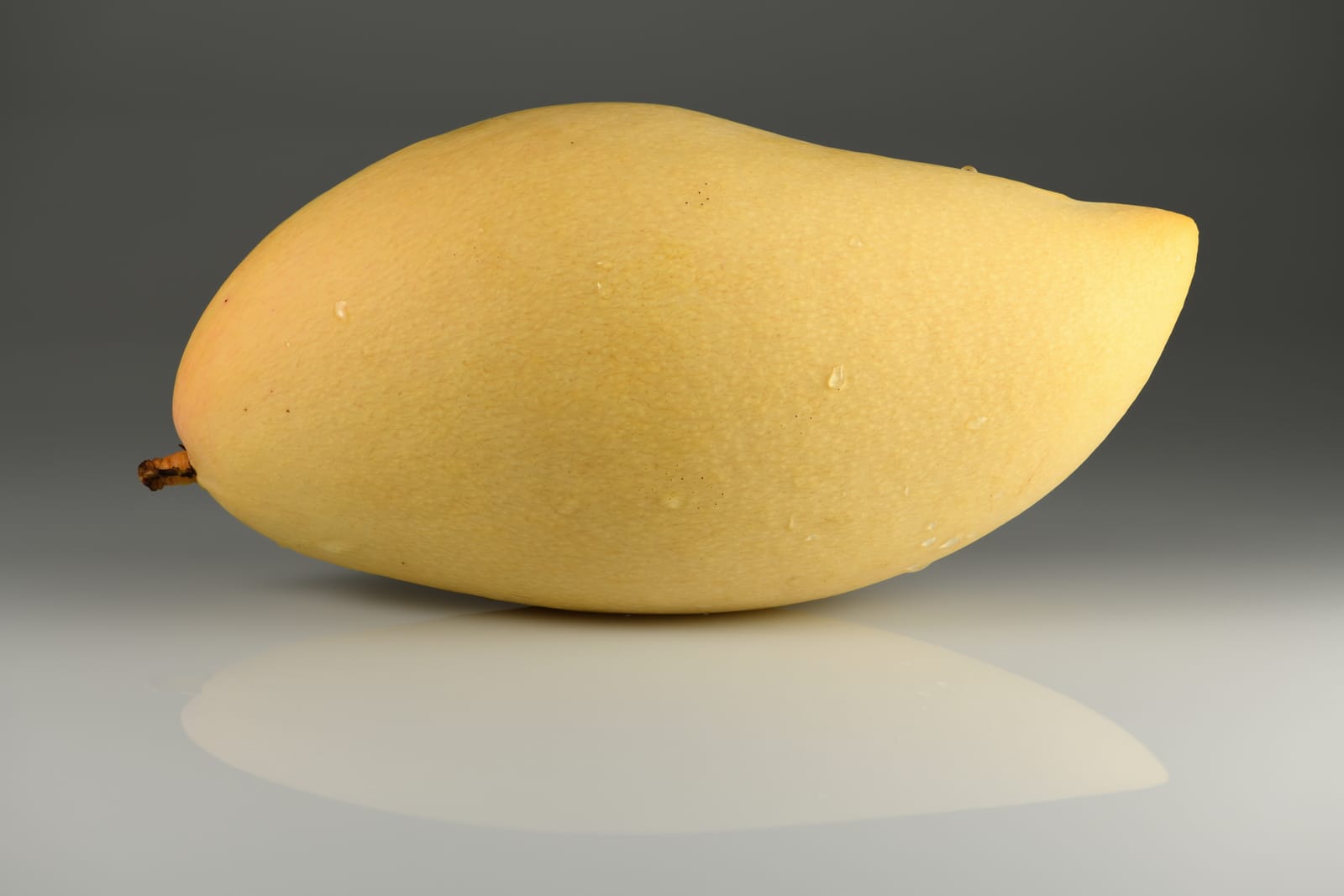
The star of the province. Long oval fruit with thin golden-yellow skin, deep-yellow fine flesh with no fibre, and a slim flat seed. Fragrant and sweet, best eaten ripe. GI-registered since 2019 and the variety most people buy as a gift.
Khiao Sawoei
The go-to green-mango variety. Crisp, firm flesh, green tinged with yellow, sweet and rich even when fully mature but still unripe. Pairs perfectly with sweet fish-sauce dip or chilli-salt. Easy to find at every orchard and market.
Khai Tuek Paet Riu (GI)
The province's newer GI. Roughly heart-shaped fruit with attractive yellow skin, orange-yellow flesh, crisp, with a small seed and a nice rich sweet-tart balance. Best eaten mature but unripe. Odd name, but it's a heritage variety of the area.
Raed Paet Riu (GI)
Another new GI. Dark-green skin when mature, with pale-yellow crisp flesh; once ripe the flesh turns fine and yellow without going mushy, and it's fragrant. Good both mature and ripe, and the young sour fruit is great in yam salads.
Fa Lan / Ok Rong
Supporting varieties many orchards keep around. Fa Lan has crisp flesh that crunches loudly when you bite it; Ok Rong is intensely fragrant and sweet, ideal for mango sticky rice. Available only in spells as the orchards fruit.
Orchards open for visiting and pick-your-own
Most orchards that welcome outsiders are around Bang Khla and Khlong Khuean, about a 20–40 minute drive from Chachoengsao town. It's worth phoning or messaging the orchard's Facebook page before you go, because each one opens and closes around its harvest cycle — when the trees are bare they stop taking visitors for a while.
Lung Amnat Orchard (Khlong Khuean)
An old, spacious orchard open roughly 8:00–17:00 where you walk in and pick your own mangoes, then pay by the kilo. They demonstrate grafting and propagation too. Fruit comes in around March–May. Good for kids or anyone into farming.
Che Phen Orchard (Bang Khla)
A family orchard doing both fresh and processed mango — think mango gummies and jellies. Reachable via the orchard's Facebook page. Good if you want processed souvenirs to take home.
Pluemchit Orchard (Bang Khla)
Right on Route 304 on the Bangkok-bound side, next to a PTT station — an easy stop on the way home. Several varieties sold at the front; you can taste before you buy.
Kaeo Wong Nukun Orchard (Bang Khla)
A large-plot grower pushing quality mangoes to market, with Nam Dok Mai See Thong and Khai Tuek as their headliners. Follow their Facebook for open-orchard dates before going.
Orchard etiquette
An orchard is someone's livelihood, not a theme park. Only pick the mangoes the owner allows, don't climb the trees, don't litter, and if you got some nice photos and enjoyed the visit, buying a little to take home is good for everyone.
Mango season — when to go for what
Paet Riu mangoes come in gradually from late in the year through mid-year. In a normal season the fruit is around from roughly November through mid-May, with the peak — when the orchards are liveliest and mangoes most plentiful — falling in February to April. On top of that, some growers can produce off-season mangoes, so the Bang Khla mango market has something on sale almost year-round.
- Nov–Jan — early-season mangoes start trickling in. Prices are still higher than peak and supply is limited, but you get to eat them before everyone else.
- Feb–Apr — the golden window. Big harvests, good prices, the most orchards open to visitors, and the time the mango festival runs.
- May (early–mid month) — late season. Fully ripe, deeply sweet mangoes, ideal for mango sticky rice to close out the season.
The mango market — easy buying without the orchard
If you don't have time for an orchard, the central mango market is a good shortcut. Bang Khla Mango Market (run by the Paet Riu mango growers' community enterprise) sits on the Chachoengsao–Kabin Buri road (Route 304) in Samet Nuea subdistrict, Bang Khla district. It's the province's big mango market, pulling fruit from many orchards into one place, with nearly every variety and open almost year-round. Easy to taste and compare prices, and the market price still beats buying in Bangkok.
How to buy smart
Tell the seller straight up which day you plan to eat them and they'll pick by ripeness for you. Buy by the basket or the crate and you'll usually get a wholesale price. For a nice gift, choose a box with the GI mark — it guarantees the source and quality.
Mango souvenirs
Beyond fresh fruit, there are plenty of processed mango souvenirs here that keep for a long time — handy if you're worried about mangoes bruising on the way home.
- Mango fruit leather (mamuang kuan) — chewy and naturally sweet, keeps well, a classic Paet Riu souvenir.
- Mango jelly / gummies — the modern version from newer orchards like Che Phen, a hit with kids.
- Candied / pickled mango — sweet-sour and moreish to snack on, easy to find at the markets.
- Boxed Nam Dok Mai See Thong — packed in shock-proof boxes with the GI mark, a smart-looking gift to ship.
Mango festival — the liveliest time of all
If you want every variety in one place with a temple-fair atmosphere, aim for the mango festival season around March–April. The province holds the Paet Riu Mango and Local Products Fair on the grounds of Wat Sothon Wararam Worawihan in town — an annual event that has run for more than 50 editions. Meanwhile Bang Khla district holds its own Bang Khla Tourism, Mango, Food and Local Products Festival around March. Both have a wide range of mangoes to taste, mango sticky rice, and the chance to buy straight from the growers.
Check the dates before you go
The festival dates shift slightly each year with the harvest cycle. Check the Chachoengsao province or Bang Khla district pages before you set out, so you don't miss it — and so you can avoid the most crowded days.
Getting there
- By car — from Bangkok take the motorway / Route 304 to Chachoengsao, about 1.5 hours. Most orchards are in Bang Khla–Khlong Khuean, another 20–40 minutes from town.
- By train — take the Eastern Line to Chachoengsao station, then a rental car or motorcycle taxi out to the orchards. Good if you're not driving yourself.
- Stop on the way — many orchards sit right on Route 304, so you can string together a single-day trip taking in Bang Khla, the floating market, or Wat Sothon.
Plan a full day in Chachoengsao — eat, explore and pay your respects at the temples
See the Paet Riu travel guide →