🔄 Updated 21 Jun 2026
Say mango and most people picture Chiang Mai or central Thailand, but anyone who really follows fruit knows Chachoengsao has grown quality mangoes for a long time. The soil along the Bang Pakong River and its three-water climate (fresh, brackish and salt) give the Bang Khla mangoes a sweetness and fragrance all their own — so much so that the province has held an annual mango festival for over half a century. This plan takes you to the source, not just to a roadside stall.
The best time for mangoes
Paet Riu mangoes start trickling out late in the year, but the stretch with the most fruit, the lowest prices and the fullest flavour is February to mid-May, peaking around March and April — which lines up neatly with the mango festival. If you want pretty, perfectly ripe golden Nam Dok Mai, aim for March onward. For tart, crunchy green mangoes like Khiao Sawoei or Raet, you'll find them for sale through most of the season.
Time your trip with the festival
In 2026 the 55th Paet Riu Mango and Local Products Fair runs 3–12 April, 9am–9pm, on the grounds of Wat Sothon Wararam Worawihan. Plan your trip around these dates and you get tasting, the mango contest, and shopping for local goods all in one place — but expect bigger crowds, so leave extra time to find parking.
Book the activities in your Chachoengsao trip ahead
Booking online ahead on Klook or GetYourGuide is usually cheaper than the gate and skips the queue. Pick only the experiences you actually want — prices and availability are shown live on each site.
Know your Paet Riu mangoes before you taste
The charm here is the variety — it's not just Nam Dok Mai. Get to know these first and it's a lot more fun choosing at the orchard or market and chatting with the growers.
Nam Dok Mai Si Thong
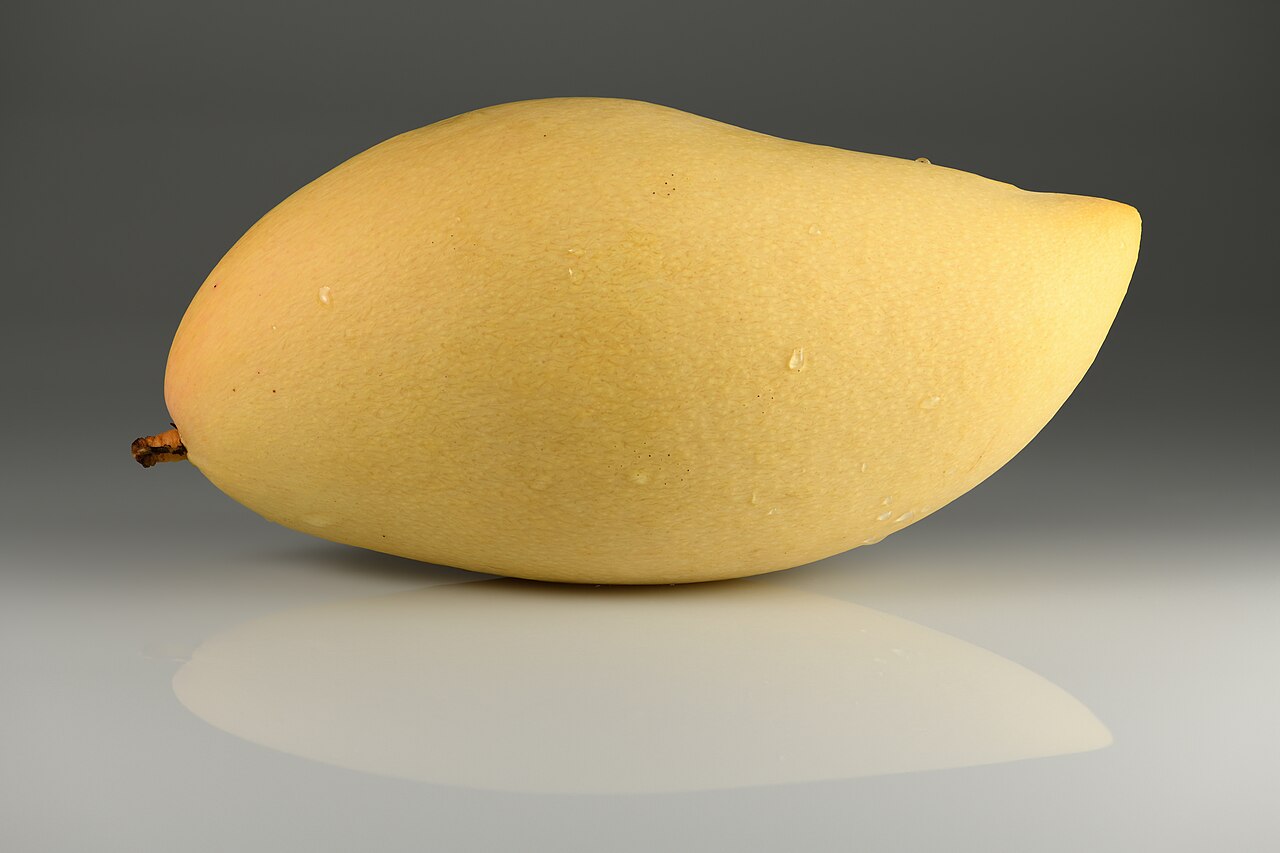
The star of Bang Khla — golden-yellow flesh, sweet and fragrant, with a slim, pretty shape. It's the most exported and the most popular for gift boxes. When ripe the flesh stays firm rather than mushy, great eaten fresh or with sticky rice.
Khai Tuek Paet Riu
A heirloom variety that recently earned GI status. The flesh has distinctive little speckles, with a rich sweetness and a fragrance of its own. It's harder to find than Nam Dok Mai, so if you spot it at an orchard or market, give it a try.
Raet Paet Riu
Easy to spot thanks to the horn-like nub at the top of the fruit, and GI-registered too. Eaten green it's tart-sweet and crunchy, lovely dipped in sweet fish sauce, and when fully mature it turns sweet and rich in a different way.
Khiao Sawoei
The go-to green mango for fans of tart and crunchy — firm flesh, not bitter or astringent, and you can dip it in sweet fish sauce or chilli-salt all day. Easy to find almost year-round.
Fa Lan
White, crunchy flesh — the name comes from the loud snap when you slice it open. Eaten green it's crisp and rich, and locals in Paet Riu like it with sweet fish sauce or sweet shrimp paste.
Ok Rong
An old-school ripe mango with an intense aroma and a complex sweet-tart flavour. Older generations rate it as the legendary mango for sticky rice. The fruit is small with a big seed, but the fragrance wins everyone over.
Chok Anan
A heavy-bearing, hardy variety you can eat both green and ripe. Growers plant it to eat and to send to processing factories, and it's easy on the wallet.
Prices are just a guide
Mango prices swing a lot with the season and grade. Early in the season or for nice export-grade fruit you'll pay more; late in the season or buying by the basket gets a lot cheaper. The prices here are rough ranges to give you a sense of things — ask the grower on the spot when you actually go.
2 days, 1 night — eat mangoes at the source
Chachoengsao is just over an hour from Bangkok, so a day trip works fine. But if you'd rather pick mangoes in the orchard in the morning at a relaxed pace and then carry on to Bang Khla, the floating market and the temples, staying one night is worth it. Here's a route that flows smoothly without doubling back.
Into the orchard, pick mangoes, then explore Bang Khla
Pay respects, buy gifts, then head home
How to pick and keep the best mangoes
- Ripe mangoes to eat now — choose ones whose skin is turning yellow, give slightly when pressed gently, and smell fragrant at the stem. If you'll eat them that day, just tell the grower you want them ripe and ready
- Buying to eat over several days — pick ones that are still green-yellow and leave them to ripen at room temperature for another 2–3 days. Don't refrigerate them while still green, as that stalls the ripening
- Green mangoes — choose fully mature fruit with firm flesh, deep green skin and good weight. Khiao Sawoei and Raet are the crunchy, tasty picks
- Carrying them far — ask the grower to pick slightly greener fruit and wrap it in paper; it travels better and ripens just right by the time you're home
- Gifts for elders — graded Nam Dok Mai Si Thong or a GI box looks premium, while the rare Khai Tuek makes a gift the recipient will remember
Who this trip is for
Families with kids at the orchard
Picking mangoes in the orchard is something kids love — room to run around in the shade, and not too tiring.
Serious fruit lovers
Get to taste rare varieties like Khai Tuek, Raet and Ok Rong that ordinary markets almost never carry.
Day-trippers from Bangkok
Very close — just over an hour's drive to the orchard, perfect for a short holiday trip.
Plan a full Chachoengsao trip — temples, markets and food
See the Chachoengsao travel guide →