🔄 Updated 21 Jun 2026
If you pass through Surat Thani and leave without picking up something to take home, you're missing out. This is a farming and fishing province, and several of its local products have earned GI status (Geographical Indication) — Chaiya salted eggs, Nasan school rambutan, and Surat Thani oysters among them. We've ordered everything from what you can buy year-round to what you have to time with the season, and we name the areas where you can actually find each one.
Chaiya salted eggs — the province's number-one gift
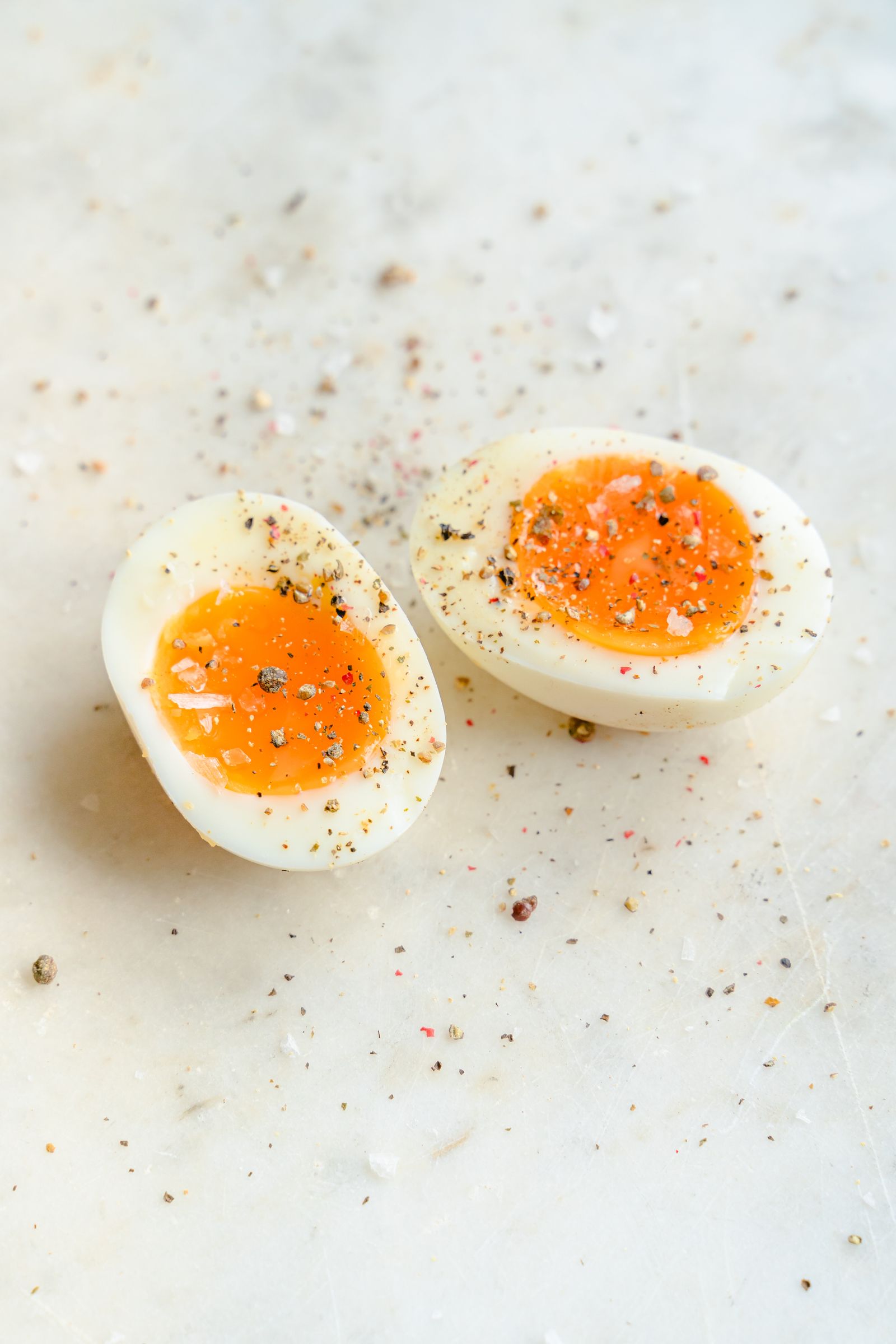
Chaiya salted eggs are the most famous souvenir in Surat Thani, and they're a registered GI product. What sets them apart from ordinary salted eggs is the method: instead of soaking in brine, makers coat each duck egg in finely ground termite-mound soil mixed with salt and water. That soil is a smooth, fine clay that clings to the shell evenly, which gives the white a soft texture and the yolk an especially rich, oily quality. As the story goes, it started with Chinese railway workers who buried duck eggs in soil to preserve them, and the people of Chaiya adapted the idea using termite-mound soil instead of sea mud.
Ducks raised around Chaiya feed naturally on shrimp, shellfish, crabs, and fish in the rice paddies, so the yolks come out a deep orange and richer than elsewhere. Sellers usually offer them both raw (boil or fry them yourself; they keep longer) and cooked and ready to eat — pick the right one depending on whether you'll eat them now or carry them a long way.
Mae Bun Hai (Chaiya)
An original-recipe brand passed down over several generations, and the name a lot of people cite when they talk about genuine Chaiya salted eggs. It holds both GI and 5-star OTOP status. The yolks are firm and rich, the saltiness just right. You can buy at the Chaiya shopfront or order online through their page, Shopee, or Lazada.
Orawan Salted Egg Market (Chaiya)
A famous roadside salted-egg market that can move hundreds of thousands of eggs a day over long weekends. Great for a quick stop as you pass through Chaiya — you get several vendors and grades in one spot, so you can compare, taste, and haggle.
Sureerat Chaiya Salted Eggs (Ban Sawiat, Tha Chang)
A Ban Sawiat shop right on Asia Highway 41 that bills itself as 100% genuine Chaiya salted eggs. A handy stop if you're driving the highway and don't want to turn off into Chaiya town itself — easy to grab and go.
Jutima Chaiya Salted Eggs (Tha Chang)
Another Tha Chang maker with a clear online page; you can order by the box for delivery. Good if you're not passing through Chaiya yourself but still want the real thing straight from the source.
Chaiya Salted Eggs (Or Sor Mor community group)
A community-group salted egg that's easy to buy in a packaged box of 10, also sold through Thailand Post Mart. Good if you want something neatly boxed and ready to hand over as a gift.
How to buy salted eggs without going wrong
If you're carrying them on a plane or travelling a long way, choose the raw ones — they keep longer and won't make a mess. Save the cooked ones for eating right away. And don't forget to ask the curing date, because the longer a salted egg cures, the saltier it gets. If you like a soft, runny yolk, go for ones that haven't been cured too long.
Want to taste deeper? Try a Surat Thani food tour or cooking class
Half a day with a local who knows the lanes — or cooking a dish yourself — teaches you more than just eating. Book ahead on Klook or GetYourGuide.
Nasan school rambutan — a seasonal treat (July–August)
Nasan school rambutan is a GI rambutan that plenty of people rate as one of the best varieties in Thailand. What stands out is the sweet, crisp flesh that comes cleanly off the seed, with deep-red skin and green-tipped spines. The "school" in the name comes from the original parent trees, planted on the grounds of an old school in Ban Na San district. Just remember it's seasonal: the cheapest, most abundant stretch is roughly July to August, which is also when the annual Nasan School Rambutan Festival takes place.
- Ban Na San Agricultural Cooperative — on Phichai Decha Road, Na San subdistrict, Ban Na San district. They sell fresh rambutan straight from the orchards and are a reliable source for the genuine Nasan variety.
- Orchards / roadside stalls in season — in July–August there are rambutan stalls lined up all along the road into Ban Na San, and you can taste and compare sweetness before you buy.
- Processed versions — out of season, you'll still find dried and freeze-dried rambutan at souvenir shops and online, which is far easier to pack than fresh fruit.
What to do if you visit out of rambutan season
If you come outside July–August, don't expect cheap fresh rambutan — supply is thin and prices climb. We'd suggest picking up dried or freeze-dried rambutan as a gift instead; it's still sweet and far easier to carry.
Other Surat Thani souvenirs worth a look
Beyond the two headliners, Surat Thani has plenty of other local products that southerners know well. Many are cooking ingredients you can take home and use over a long stretch.
Ao Ban Don shrimp paste
Krill-based shrimp paste from the Ao Ban Don area — smooth and fragrant, a popular gift for making chilli dips, curries, or stir-fried shrimp paste. Keeps well.
Tha Chang kalamae
A chewy, sticky sweet from Tha Chang, rich and sweet. A local dessert that travels fine as a gift — no refrigeration needed.
Southern chilli pastes & curry pastes
Tai pla chilli dip and fiery southern-style curry pastes — bold and punchy. Several souvenir shops in town make their own, ready to take home and stir-fry or curry with.
Pickled sator beans
Sator (stink beans), a famous southern bean — available fresh in season and pickled, which keeps longer. For anyone who likes a strong aroma.
Kanchanadit oysters — fresh, big, sweet
Surat Thani oysters are a local "white-jaw" (takhrom kram khao) variety with GI status, farmed along Ao Ban Don. They're known for being large, white-fleshed, sweet, and not fishy. The most famous source is Kanchanadit, especially the Pak Nam Kadae community, where fresh, brackish, and salt water all meet — ideal conditions for raising oysters. At the markets around here, locals sell oysters fresh from the farms.
Can you take oysters home as a gift?
Fresh oysters are better eaten on the spot than carried far. If you do want to buy some to take, go in the morning when they've just come off the farm, pack them with ice, and eat them the same day. If you've got a long journey, just eat them fresh at Kanchanadit and buy dry goods like salted eggs or shrimp paste to take home instead.
Where to buy souvenirs in Surat Thani city
If you don't have time to head out to Chaiya or Nasan, the city centre (the Ban Don area) has one-stop spots where you can pick up everything in one go.
- Roi Ko Center — the province's souvenir and OTOP hub, with Chaiya salted eggs, shrimp paste, chilli dips, and curry pastes all under one roof. Good for clearing your whole gift list in one stop.
- Mae Jit Surat Souvenir Center — another all-in-one local souvenir shop that locals recommend, stocking both food and southern cooking ingredients.
- Ban Don Market / Ban Don Walking Street (Saturday evening) — the old riverside quarter on the Tapi River, where you can wander and eat local food and buy fresh souvenirs. A nice atmosphere in the evening.
Worth knowing before you buy
The prices we've listed are rough ranges from various shops and can shift with the season and grade — rambutan especially swings with the harvest. We'd always ask the price and the production/curing date first, and if you're buying a lot of salted eggs or shrimp paste, try negotiating a per-pack rate.
Want a full-day eat-and-explore plan for Surat Thani that includes souvenir stops?
See the Surat Thani travel guide →