🔄 Updated 21 Jun 2026
Chiang Mai is the kind of city people come back to, partly because it offers several modes in one place. Feel like temple-hopping in the Old City? Done. Want to drive up into the mountains chasing a sea of mist? Also done. Happy to sit in cafés all day? That works too. On a first visit you don't need to cram everything in — pick two or three modes you like and take it slow. You'll be back.
The Most Important Thing — When to Go, Which Month to Avoid
This matters more than anything else, because Chiang Mai has a "burning season" that genuinely affects your trip. From late February through April, fields are burned off and PM2.5 levels spike hard. On some days Chiang Mai ranks among the worst cities in the world for air quality, the mountain views turn hazy and disappear, and it's no place for anyone with dust allergies or young kids. If you can avoid this window, do.
- November–February (cool season) — the best stretch for first-timers. Pleasant cool weather around 15–28°C, clear skies, sharp mountain views. It's the true high season, so rooms fill up fast — book ahead.
- June–October (rainy / green season) — green forests, lovely mist, rain that usually comes in bursts rather than all day. Fewer crowds, cheaper rooms. Seriously underrated.
- Late October–early November (end of rains, start of cool) — many say this is the prettiest time of year. The forests are still green, the air is turning cool, and there's no smog yet.
- Late February–April (burning season) — the window to avoid because of PM2.5, unless you're coming specifically for Songkran around the moat.
Check Before You Go
If you have to come during burning season, check the daily air quality from IQAir or CMU's AQI (aqi.cmu.ac.th) before you head out. On heavy-smog days, swap the mountain plan for an indoor café or a mall instead.
Book the activities in your Chiang Mai trip ahead
Booking online ahead on Klook or GetYourGuide is usually cheaper than the gate and skips the queue. Pick only the experiences you actually want — prices and availability are shown live on each site.
How to Get Around Without the Confusion or the Markup
Chiang Mai has no metro. There are three main ways to get around, and most first-timers mix them. Knowing how each works upfront saves you both money and frustration.
- Red trucks (songthaew daeng) — Chiang Mai's signature ride: red converted pickups that pick up passengers along the way. In town it starts around 30 THB/person. Tell the driver where you're going before you get on, and agree on a price clearly if it's far. Don't hop on without asking the fare.
- Grab / Bolt — convenient and you see the price before you tap. Easiest option for first-timers, and often cheaper than chartering a red truck for short-to-medium trips. Airport into town runs around 100–150 THB.
- Renting a motorbike — 200–300 THB a day, very nimble if you can ride and have an international driving permit. But evening traffic in the Old City gets fairly congested, so if you're not used to it, don't force it.
- Walking — inside the Old City (around the moat) the major temples are close together, easy to cover on foot in a single day.
About the Airport
Chiang Mai's airport is very close to town. A Grab or Bolt into the Old City or Nimman takes only about 15 minutes. There's an airport taxi counter too, with fixed fares starting around 150 THB.
Which Area to Stay In for Your First Visit
Old City (around the moat)
The core for temple and culture lovers — walk to Wat Chedi Luang, Wat Phra Singh, and the Sunday Walking Street. Quieter, with a Lanna atmosphere.
Nimmanhaemin
The hip district for the younger crowd — cafés, restaurants, One Nimman, and MAYA mall all in one area. Great for eating, shopping, and working remotely.
Ping Riverside / Chang Khlan
Near the Night Bazaar and riverside restaurants, lively after dark. Good for anyone who wants to wander the night market and have a riverside dinner.
On a first visit, if you're unsure, stay in the Old City or near the moat — you can walk to the main sights yourself without calling a ride constantly. If your focus is cafés and restaurants, pick Nimman instead.
Want to see the hotels reviewers genuinely rate well in each area
See the Top 10 Chiang Mai Hotels →Food First-Timers Shouldn't Miss
You can eat your way through Chiang Mai all day without repeating yourself, and the signature dishes aren't expensive. These are the spots and dishes that locals and travelers agree are worth trying on a first visit, ranked by how much of a "must-try" they are for newcomers.
Khao Soi — the city's signature dish
Egg noodles in a coconut-curry broth made with northern curry paste, topped with crispy fried noodles, with chicken or beef, eaten with pickled greens and shallots. It's the first dish people picture when they think of Chiang Mai — one bowl and you'll get it.
Khao Soi Mae Sai
A famous spot in the Ratchaphruek area near Kad Suan Kaew, with a recipe passed down for over 30 years and a Michelin Guide nod. Rich, homestyle flavor that sells out fast — come early or you'll miss it, just like the name suggests.
Khao Soi Islam
Open for over 40 years in the Night Bazaar area (Soi 1, Charoen Prathet Road, near the Chang Khlan mosque). A Yunnan recipe with house-made, chewy noodles, plus khao mok (biryani) and oxtail soup on the menu.
Nam Ngiao — khanom jeen
A mildly sour, orange-tinted broth colored by kapok flowers, ladled over fresh rice noodles and eaten with pork crackling and fresh vegetables. A popular northern breakfast, lighter on the stomach than khao soi.
Sai Ua + pork crackling + nam prik num
The classic northern set: fragrant grilled herb sausage eaten with sticky rice, green chili dip (nam prik num), and pork crackling. Easy to find at morning markets and northern restaurants all over town.
Mountain-coffee cafés
Chiang Mai is a real café city, using beans from the surrounding mountains like Doi Chang and Doi Saket. There's everything from Nimman spots to cafés in the middle of the fields in Mae Rim — try at least one during the day.
Moo kratha
The dinner where Chiang Mai locals meet up — a budget-friendly grill-and-hotpot buffet, with spots all over town. Great for groups, and you'll eat well for just a couple hundred baht.
Eating at Warorot Market (Kad Luang)
An old market in the heart of town that gathers northern food, souvenirs, pork crackling, sai ua, and nam prik num all in one place. Great for picking up gifts to take home before you leave.
Khao Soi Tip
The best khao soi shops often sell out before afternoon. If you want a famous one, go before noon, and don't forget to squeeze in lime and add pickled greens to taste — it really does round out the flavor.
An Unhurried 3-Day Plan for First-Timers
This plan is built so first-timers get the full mix — temples, mountains, cafés, and markets — without waking up super early or running all day. Adjust the timing to your style; every day has built-in breaks.
Old City + Walking Street
Doi Suthep + City Views
Nature / Elephant Camp + Souvenirs
About Elephant Camps
Choose a genuinely conservation-minded camp that focuses on feeding the elephants and watching them live, with no riding or shows — it's far better for the animals' welfare. Always read real reviews and book ahead.
Small Things First-Timers Often Forget
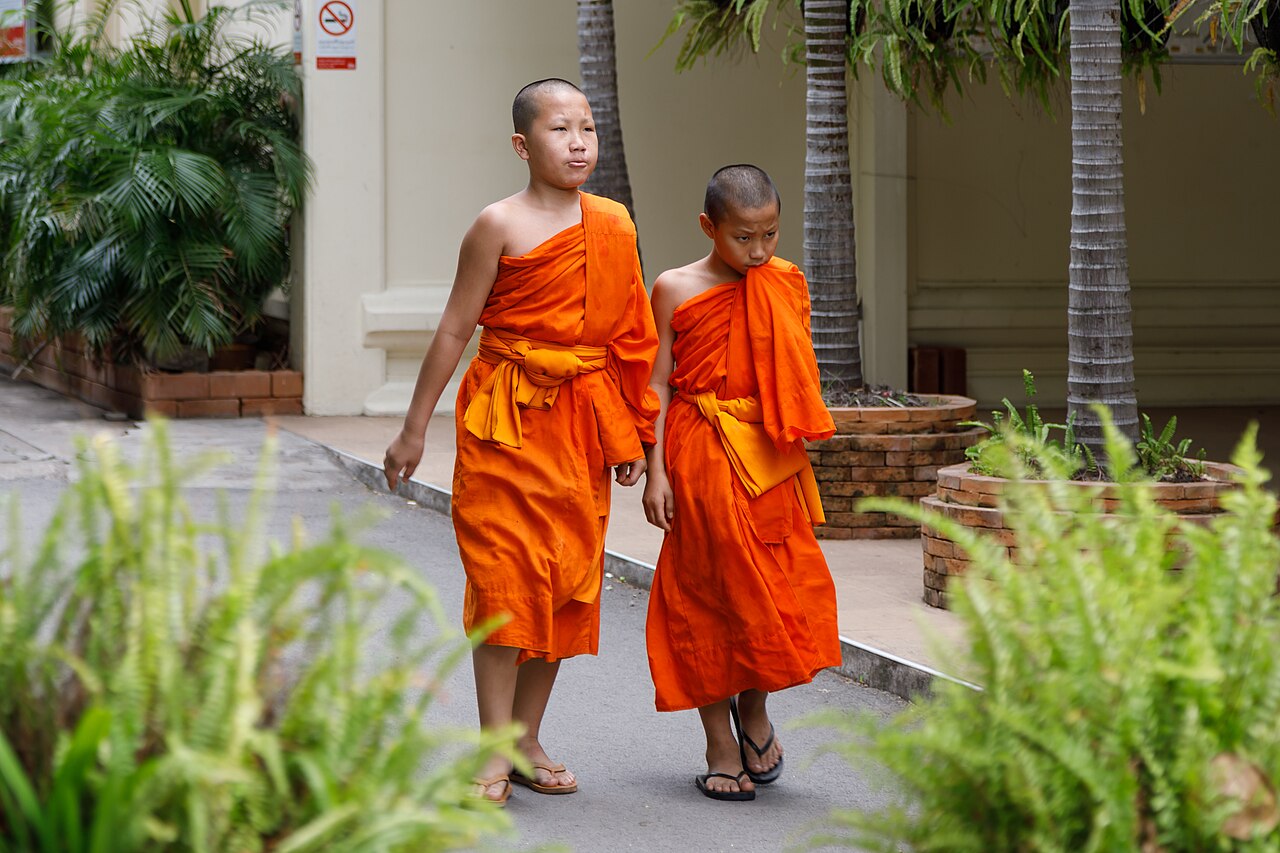
- Dress modestly for temples — cover your shoulders and knees. Some temples lend wraps, but bringing your own is easier on the mind.
- Carry cash — khao soi shops, markets, and red trucks mostly take cash, even though many places now have QR pay.
- Nights are colder than you'd expect — cool-season nights get genuinely chilly, so pack a light jacket, especially if you're heading up the mountain.
- Book accommodation ahead — the cool season (Nov–Feb) is high season, and rooms in popular areas fill up fast as prices climb.
- Leave yourself some slack — Chiang Mai is best taken slow. Don't pack every hour; leave room to just sit in a café.
Want a full Chiang Mai guide covering all of it — temples, mountains, cafés, and where to stay
See the Chiang Mai Travel Guide →