🔄 Updated 21 Jun 2026
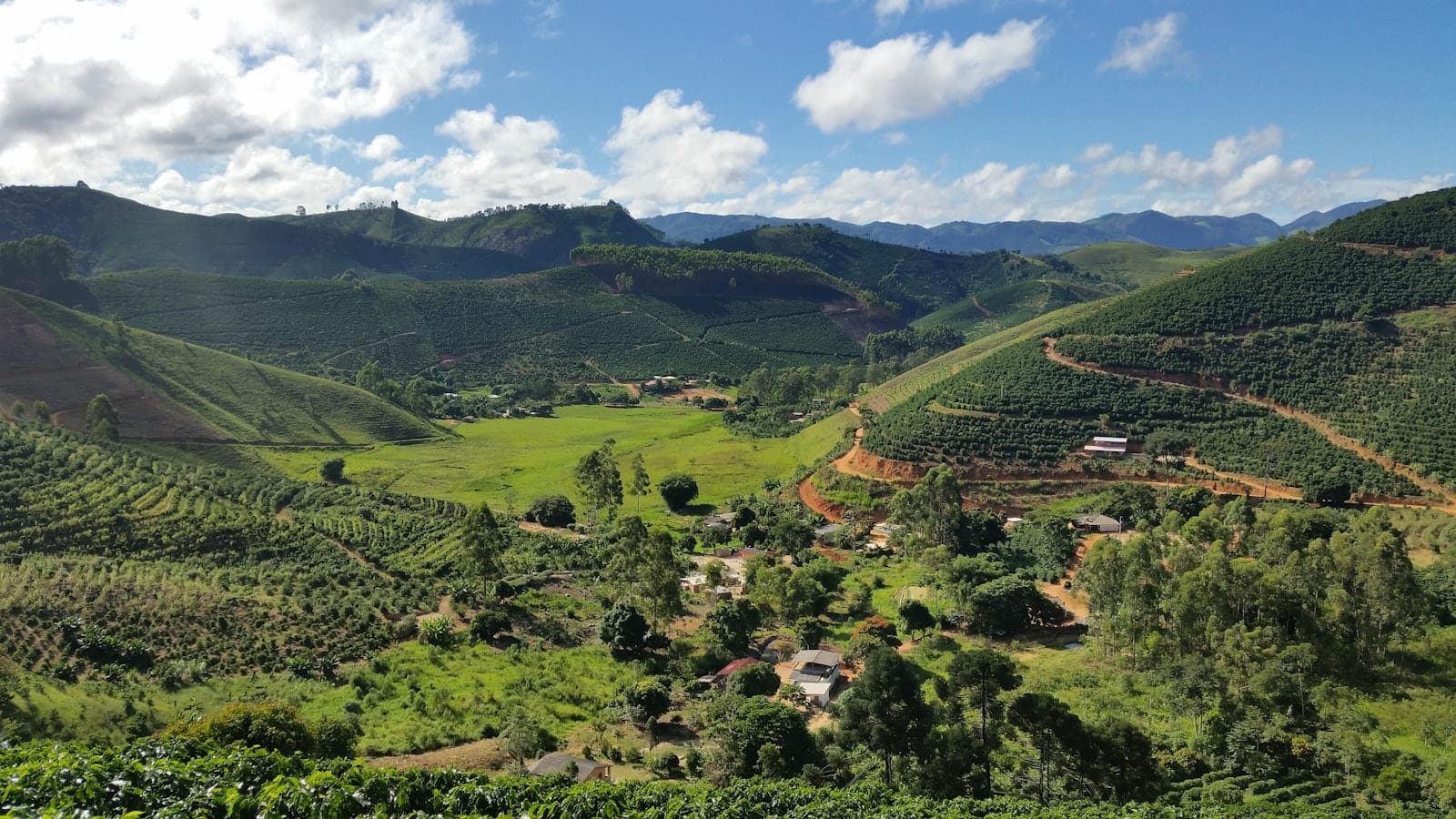
Chumphon's robusta coffee is no small thing — this is the biggest robusta-growing area in the country. A lot of younger growers have come back home to make specialty coffee from the family farm, then opened cafes so people can drop by and taste it on the spot. The fun part is that you get to see the whole cycle: from the trees heavy with red cherries, to the drying yards, to the roaster filling the room with that smell, finishing with a cup brewed from the very same batch of beans.
Why visit the Chumphon coffee farms
Chumphon robusta is known for a heavy body, bold flavour and a rounded bitterness with little acidity — great for anyone who likes a strong cup, a punchy espresso, or a milk coffee where the coffee still comes through. What makes coming to the farm different from just buying a bag is that you get to talk to the person who actually grew it, taste light, medium and dark roasts side by side from the same plot, and understand why local coffee tastes so different even when it's all robusta.
- See the real cycle — the trees, the drying yard, the roastery, all in one place, not just photos
- Taste before you buy — compare roast levels and pick the bag you actually like to take home
- Cafes among the trees — many farms run a cafe right in the plantation, so you can sit, relax and take photos
- Farm-gate prices — buying beans straight from the person who roasts them usually means fresher coffee at a better price
Want more out of Chumphon? Book tours & activities
Booking online ahead on Klook or GetYourGuide is usually cheaper than the gate and skips the queue. Pick only the experiences you actually want — prices and availability are shown live on each site.
Cafes and coffee farms you can actually visit right now
These are the places that are open and have a steady stream of reviews, listed from in-town outwards so you can plan a route around the time you have. Opening hours can shift, so it's worth checking each spot's page before you set off.
Fly Robusta (Ban Chong Mut coffee farm)
A cafe set right in a coffee plantation at Ban Chong Mut in Pathio district. You sit among real coffee trees, there's a tree-house corner that photographs well, the coffee is brewed from beans grown on site, and the bakery is made in-house. It's a bit out of town, but reviewers say the drive is worth it.
S.C. Farm Fine Robusta Chumphon
A robusta coffee field in the Nong Yai Rat area of Mueang district, close to town. You can walk the plots near the centre, and there's a cafe serving coffee from the farm. Good for anyone short on time who wants to see coffee trees without a long drive.
Panich Coffee and Roaster
An old-wood cafe in town run by Panich Chusit, the man behind the organic Green Hill brand grown on the highest land in Chumphon. He develops the varieties, roasts and brews himself, so it's the spot for anyone who wants to talk coffee in depth with the person who actually makes it.
Coffee Travel Tha Sae
A cafe in Tha Sae, Chumphon's main coffee-growing area. At certain times it runs coffee-making sessions and step-by-step roasting demos, so it suits people who want to learn rather than just sip. If you want to catch a workshop, message their page to ask about the schedule first.
Robusta Station
A cafe and souvenir stop on Phetkasem Road, on the way out of town towards Bangkok. Open morning to evening every day, it sells more than coffee — there's Chumphon robusta beans, southern curry paste and dried fish, making it an easy last stop before you head home.
Tha Sae–Phato community coffee farms
Several villages in Tha Sae and Phato have grouped into community coffee enterprises. Some open up their drying yards, fermentation sheds and roasteries, and let you try picking cherries during harvest season. It's an under-the-radar experience that few visitors reach, so you need to book ahead through the community group.
Straight talk
Most of Chumphon's coffee farms are smallholder plots with small cafes, not full-blown ticketed attractions. Some are a fair way out of town and the last stretch of road runs through the plantation — a regular car can make it, just drive slowly. If you really want to watch the roasting or pick cherries, message the page first, because it isn't on show every day.
What you'll see of the roasting and the coffee process
The charm of coming to the farm is seeing coffee go from cherry to cup. Many Chumphon farms pick the ripe cherries and dry them; some run them through a hot-air dryer at around 80°C, then dry them another 10 days or so in a solar drying house before hulling off the skin to leave the green beans. Only then do they go into the roaster. There are three roast levels you'll come across most often.
- Light roast — rounder flavour with more complex aromas, good black or as pour-over
- Medium roast — a balance of aroma and strength, works both black and with milk
- Dark roast — deeply bitter and heavy-bodied, ideal for espresso and strong milk coffee
If you get to taste all three levels side by side from the same plot, you'll understand Chumphon robusta a lot better — and you'll pick a bag to take home far more confidently than guessing from the label.
When to go: the Chumphon coffee season
If you want to see the trees loaded with red cherries and the drying yards in full swing, the best window is late in the year through early the next — roughly December to February, which is the coffee cherry harvest. Some farms let you try picking cherries during this time. Out of season you can still visit the cafes, watch the roasting and taste the coffee as usual — you just may not see ripe cherries on the trees.
Time it well
Chumphon gets a lot of rain in spells, especially late in the year. If you're going to walk the plantations and take photos, aim for the morning before the sun gets harsh and before the rain arrives — you'll get nicer light and a more comfortable walk.
Plan a Chumphon coffee trip around the time you have
For people stopping through and for serious coffee travellers alike, here are two versions — adjust them to whichever spots are open that day.
If you're short on time (en route to the islands)
For the true coffee lover (deep into the farms)
Chumphon coffee souvenirs: how to pick the good stuff
Freshly roasted beans
Buy from a place that roasts its own and prints the roast date on the bag — the fresher, the more aromatic. Pick the roast level you tasted and liked.
Drip coffee bags
Easy to carry and simple to brew, a good gift for working folks — they get to try Chumphon robusta with no equipment needed.
Local instant coffee
Chumphon makes both 3-in-1 and 4-in-1 blends at light prices, handy for gifting several people or just drinking yourself.
Tip for choosing beans
If you're keeping them a while, buy whole beans and grind them when you brew — it holds the aroma far better than buying pre-ground. And ask the seller what roast level it is, so it matches how you brew at home.
Plan a full Chumphon trip — coffee, sea and good food
See the Chumphon travel guide →