🔄 Updated 21 Jun 2026
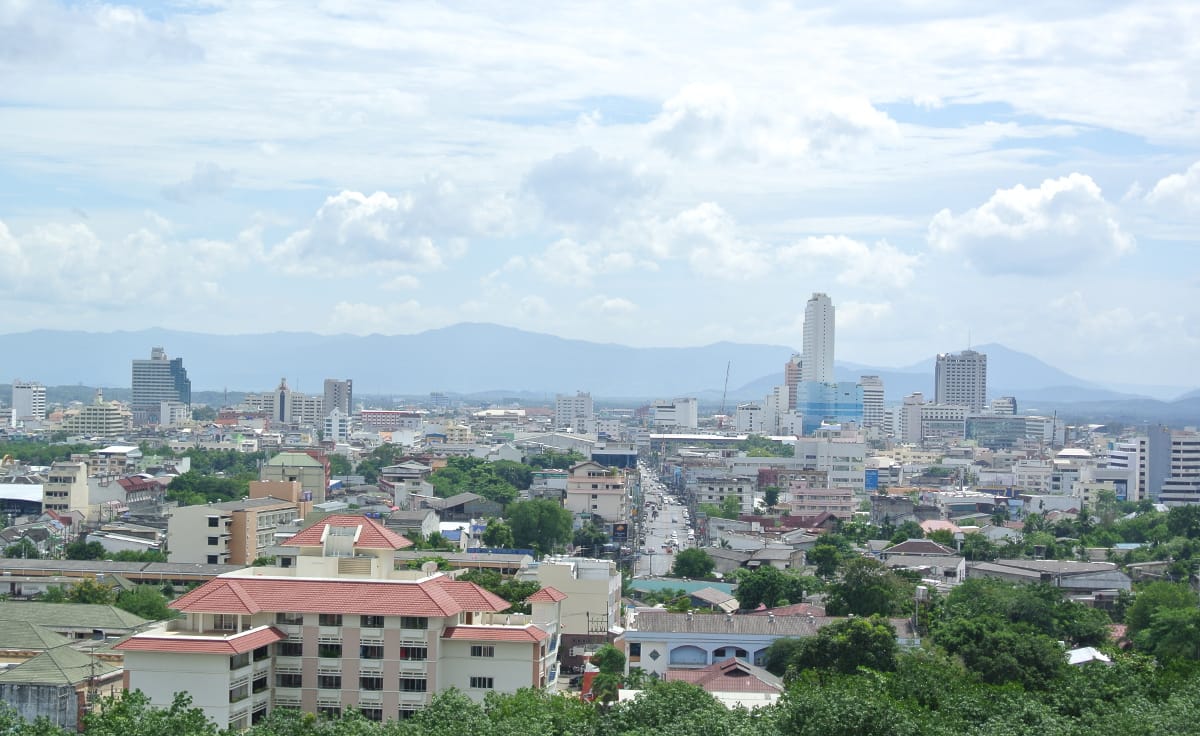
Before you start walking, a quick mental map of Hat Yai will save you a lot of backtracking. The main shopping district clusters around Niphat Uthit Roads 1–2–3 and Sanae Hanusorn Road in the city centre. Kimyong Market and Santisuk Market are within easy walking distance of each other, while Central Festival is on the edge of town and needs a ride. The upside of Hat Yai is how compact it is — if you're staying centrally, you can cover the markets and souvenir strips almost entirely on foot.
Kimyong Market — The Heart of Hat Yai Souvenirs
Kimyong Market sits in the centre of Hat Yai along Suphasarn Rangsarn and Lamai Songkhrao roads. It's a two-storey covered market that opens every day from around 07:00 to 18:00. The ground floor is where souvenir hunters want to be — rows of nut stalls, sweets, dried fruit, processed seafood, and imported snacks. The upper floor leans toward electronics, clothing, toys, and miscellaneous imported goods. The thing people keep coming back for is being able to taste before you buy, plus prices on nuts and dried goods that beat department stores by a fair margin.
Inside the market are long-standing shops that both locals and out-of-town shoppers return to every trip — many have been open for decades and ship nationwide. These are the items people most reliably walk out with.
Cashews (Pee Kong / Jeab / Man shops)
The top souvenir from Kimyong. Large kernels available fried, salted, or plain-roasted — every stall lets you taste first. Many shops vacuum-seal bags for easy carry-on travel. Pee Kong and Man are the old-timers with regular queues.
Pistachios, Almonds & Macadamias
Imported nuts sold cheaper here than almost anywhere else in Thailand. Available in-shell or shelled, salted or unsalted, scooped by the kilo so you choose exactly how much you want. Pee Kong and Muean Fan stock several grades.
Dried Squid, Squid Jerky & Crispy Fish
Processed southern seafood — thick-cut dried squid, pressed squid jerky, and seasoned crispy fish. Good for snacking or bringing to older relatives. Stalls let you pick your grade before committing.
Fried Durian, Dried Fruit & Candied Fruit
Crispy fried durian chips, banana chips, dried mango, and a range of candied fruits. Great for kids or anyone with a sweet tooth — pre-packed and ready to carry, with a long shelf life. Buy several bags at once for easy gifting.
Luukyi (Marian Plum) — Fresh & Paste
A southern-only specialty you genuinely can't find easily outside the region. Tart-sweet with a slight salty edge, sold as whole dried fruits or as a pressed sheet. Southerners buy it as their standard souvenir. Pee Kong and Jeab both carry it.
Malaysian & Indonesian Imported Snacks
Biscuits, chocolate, coffee, tea, and unusual instant noodle flavours imported from Malaysia and Indonesia. Cheaper here than buying in Bangkok and makes for a fun, unexpected souvenir that's hard to find elsewhere.
Shrimp Paste, Fish Sauce (Budu) & Southern Curry Pastes
For anyone who cooks: quality shrimp paste, budu fish sauce, and genuine southern-style curry pastes — sold loose by the kilo or in jars. Punchy, authentic flavour. Cook with these at home and you'll get a truer taste than any ready-made product.
Cosmetics, Perfumes & Imported Household Goods
The upper floor and market perimeter have stalls selling imported perfumes, cosmetics, and household items at accessible prices. Worth browsing and comparing before buying. For this category, check authenticity and expiry dates carefully before you pay.
Tips for Shopping at Kimyong
Every dry-goods stall expects you to taste first — don't feel awkward about it. Walk two or three stalls and compare before deciding. Buying multiple bags of nuts or snacks often gets you a small discount or a freebie if you ask. If you're flying home, ask any stall to vacuum-seal your bags — it's easier to carry and keeps strong smells contained. Processed seafood especially: separate it into tightly sealed bags so the smell doesn't transfer to the rest of your luggage.
Want more out of Songkhla? Book tours & activities
Booking online ahead on Klook or GetYourGuide is usually cheaper than the gate and skips the queue. Pick only the experiences you actually want — prices and availability are shown live on each site.
Santisuk Market — Electronics, Perfumes & Imported Goods
A few minutes' walk from Kimyong along Niphat Uthit Roads 1–2–3, Santisuk is a different kind of market. Where Kimyong is about food and souvenirs, Santisuk leans toward electronics and imported household goods — hundreds of stalls and shophouses selling gadgets, mobile accessories, perfumes, and multi-brand cosmetics. Open roughly 09:00–20:00. Malaysians and southerners come here specifically to pick up household items at prices that make the trip worthwhile.
- Perfumes & Imported Cosmetics — wide brand selection at lower prices, but counterfeits are mixed in. Check packaging and scent carefully before paying.
- Electronics & Mobile Accessories — charging cables, earphones, speakers at low prices. Compare with mall prices and check for any warranty before buying anything significant.
- Toys & Imported Novelties — fun to browse, lots of unusual finds, good for inexpensive kids' gifts.
- Clothing & Bags — both wholesale-priced stalls and retail shops. Haggling works if you're buying several pieces.
Watch Out for Fakes
Santisuk prices are real — but perfumes, cosmetics, and tech accessories here have counterfeit stock mixed in. If you're buying branded items, go in knowing you're paying for the price, not a guarantee of authenticity. Avoid paying full retail brand price at market stalls.
City Malls — Central Festival & Lee Garden
When you need a break from the markets — air-conditioning, a proper sit-down lunch, clean toilets, or brands you can't find at market stalls — Hat Yai's malls deliver. Think of them as rest stops between market runs rather than the main event.
Central Festival Hat Yai
The biggest mall in the city, out on the edge of town so you'll need a ride. Has the Central department store, Tops supermarket, B2S, a cinema, food court, and the full range of retail brands. Good for a long lunch away from the heat or picking up things the markets don't carry.
Lee Garden Plaza
A lively central-location mall you can walk to from the markets. Clothing, cosmetics, souvenirs, cafes, and restaurants — a Hat Yai landmark that's been around long enough to be genuinely local. Close to many of the city's hotels.
Diana Complex
An older city-centre mall that Hat Yai regulars know well. Focus on clothing, fashion, and everyday goods at reasonable prices. Same walking zone as the markets and souvenir strip — easy to fold into a market day.
Souvenir Street — Packaged Sweets & Local Specialties
Beyond the markets, Hat Yai has proper shopfront souvenir stores for when you want something gift-boxed and presentable. The standout is Baan Go Khai — the original Trang-style pastry shop (custard puff / kanom jeeb) that's expanded across the south and now has multiple branches in Hat Yai. Neatly boxed, easy to carry, and well-suited as a formal gift. For bulk dry goods and nuts, Kimyong is still better value — you pick exactly what you want at lower prices.
- Baan Go Khai — Trang-style custard puffs (kanom jeeb), a top packaged souvenir with multiple Hat Yai branches, ready gift-boxed.
- Tao Soh & Old-Style Chinese Pastries — mung bean paste pastries in the southern-Chinese style, sold at souvenir shops around the city centre. Good for older relatives.
- Traditional Coffee & Malaysian-Style Tea — roasted coffee bags and imported Malaysian-style tea to brew at home; available at Kimyong and dedicated souvenir shops.
- Packaged Hat Yai Fried Chicken — some famous shops now offer vacuum-sealed packs to take home. Ask about storage requirements before a long journey.
How to Plan Your Hat Yai Shopping Days
If Hat Yai's markets and food are your main reason for coming, two days works well. Day one covers the markets and souvenir shops in the centre — all walkable. Day two is for malls and the night market. Here's a route that flows naturally without rushing.
Souvenir Markets & Imported Goods
Malls & Night Market
Getting Around & Timing
Kimyong is busiest mid-morning through early afternoon. The Sanae Hanusorn Walking Street only runs on Saturday and Sunday nights — plan your visit day accordingly if you want it. Central Festival is out on the city fringe, so use a ride-hailing app or grab a songthaew. The markets and city-centre malls are all walkable if you're staying around Niphat Uthit.
Imported Goods & Bargaining in Hat Yai
Hat Yai's reputation for cheap imported goods comes from its proximity to the Malaysian border — goods flow in through the Sadao and Padang Besar border crossings. Malaysian and Indonesian food, snacks, coffee, and household items are genuinely well-priced here compared to Bangkok or other cities. For branded electronics and luxury goods, though, go in clear-eyed: lower prices come with real risk around authenticity and warranty coverage.
- Haggling works at market stalls — Santisuk and street stalls are open to negotiation. Kimyong nut shops tend to have fixed prices but will often throw in extras if you're buying in bulk.
- Bring cash — many market stalls accept cash only or PromptPay transfers. Keep THB notes on hand.
- Check expiry dates — always check the seal and best-before date on imported food and dried goods before buying.
- Flying home with your haul — liquids, perfumes, and strong-smelling items should go in checked luggage. Dry nuts and packaged snacks are fine as carry-on.
Want a full itinerary for eating, shopping, and exploring Hat Yai and Songkhla?
See the Songkhla Travel Guide →