🔄 Updated 21 Jun 2026
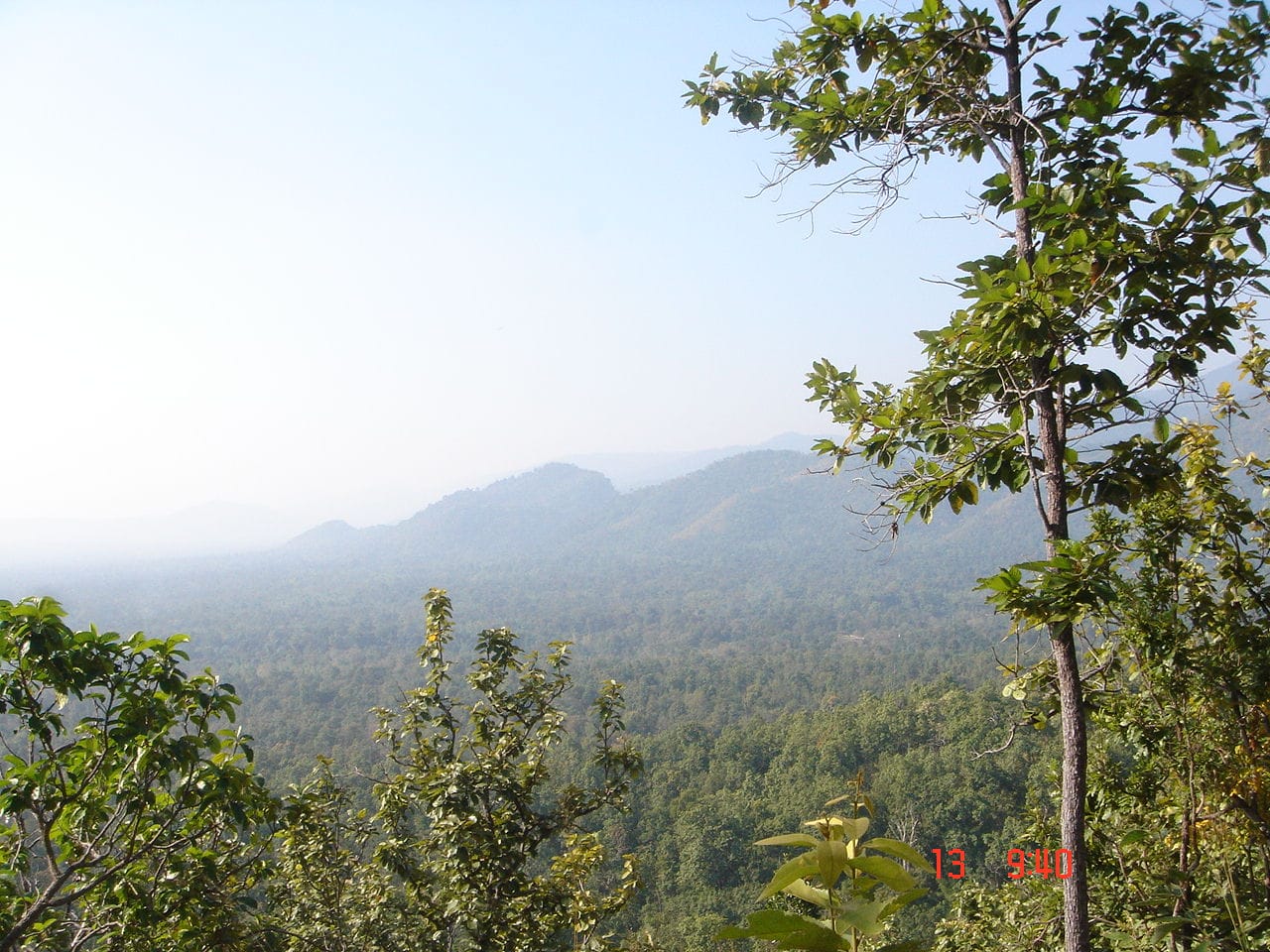
Huai Kha Khaeng sits in Lan Sak District, Uthai Thani Province, as part of the Western Forest Complex that connects to Thung Yai Naresuan Wildlife Sanctuary. UNESCO inscribed both forests as a natural World Heritage Site back in 1991 (B.E. 2534), covering millions of rai across four provinces. That's what sets it apart from other destinations: the heart of the forest is a strictly off-limits zone, and only the visitor-service area around the sanctuary headquarters is open to the general public.
Most people who come to Huai Kha Khaeng aren't here hoping to spot a tiger (the odds of seeing large animals in the open zone are very low). They come to feel a real forest, walk a few short nature trails, and pay their respects to Seub Nakhasathien, the former sanctuary chief who took his own life here in 1990 to wake society up to conservation.
Why Huai Kha Khaeng matters
- Thailand's first World Heritage Site — inscribed together with Thung Yai Naresuan in 1991, the country's first natural World Heritage Site.
- Home to wild tigers — the most important tiger habitat in Thailand. It's estimated that around half of the tigers remaining in the entire country live in this forest.
- Forest diversity — several forest types in one place: evergreen, mixed deciduous, and dry dipterocarp forest, supporting more than 700 animal species, from gaur and serow to gibbons and hornbills.
- A conservation legacy — this is where Seub Nakhasathien poured himself into his work during the last year of his life, and the name Huai Kha Khaeng has been tied to Thailand's forest-conservation movement ever since.
Want more out of Uthai Thani? Book tours & activities
Booking online ahead on Klook or GetYourGuide is usually cheaper than the gate and skips the queue. Pick only the experiences you actually want — prices and availability are shown live on each site.
Tracing Seub Nakhasathien
Seub Nakhasathien was a forestry scholar who took over as chief of Huai Kha Khaeng Wildlife Sanctuary in 1989. He pushed hard for conservation and campaigned to get Huai Kha Khaeng and Thung Yai listed as a World Heritage Site, but he ran into obstacles at every turn — budget, manpower, and poaching. On the morning of 1 September 1990, he decided to end his own life in his quarters in the middle of the forest, hoping society would finally see how much the forest mattered. A year later, Huai Kha Khaeng was inscribed as a World Heritage Site, just as he had wanted.
In the headquarters zone, there are two spots most visitors stop at. The first is Seub Nakhasathien's house, the original wooden home that keeps his desk, belongings, and documents just as they were when he was alive. The other is the Seub Nakhasathien Memorial, with a statue and an exhibition telling the story of his life and his conservation work. Many people lay flowers here in tribute. It's quiet and contemplative, a very different feeling from a typical tourist stop.
Memorial week
Every year in early September there's a memorial event for Seub Nakhasathien at Huai Kha Khaeng, and it gets especially crowded. If you'd rather visit in peace, avoid the week around 1 September.
Nature trails
The open zone of Huai Kha Khaeng has short walking trails you can do on your own or with a ranger. They're not long, so they suit ordinary visitors rather than serious trekkers. The point is to understand the ecosystem and read the signs of wildlife, rather than to actually see the animals themselves.
Khao Hin Daeng Trail
A roughly 1.2 km walk through dry dipterocarp and mixed deciduous forest, with a viewpoint looking out over the broad forest. It doesn't take long, and it's good for photos and fresh air.
Tiger's Home Trail
A short loop of about 800 m through teak forest, where rangers teach you to read tiger signs — tracks, scrape marks, and territorial scratches. You get a sense of a tiger's life without ever seeing one.
Tap Salao Stream
A sandy bank along the stream near the service zone, a spot where wildlife comes down to drink. It's shady and pleasant — a good place to sit, rest, and listen to the forest.
Use a ranger guide
If you want more than just a walk, ask a ranger to guide you on some of the trails. They'll point out animal signs and tell you forest stories you can't read anywhere. Contact them ahead of time and be ready to offer a fair tip.
Getting to Huai Kha Khaeng
Huai Kha Khaeng is about 100-plus kilometers from Uthai Thani town, roughly a 2-hour drive. The main route takes Highway 333 (Uthai Thani–Nong Chang), then Highway 3438 (Nong Chang–Lan Sak), before turning onto the sanctuary access road for another 15 km or so. The final stretch is a forest road. A private car or rental is recommended, since public transport barely reaches this far. From Bangkok the total distance is around 270–290 km and takes about 3–4 hours.
- Private car / rental — by far the easiest, since you'll need to drive into the headquarters zone and on to the nature-trail trailheads.
- Pin the map — search for "Huai Kha Khaeng Wildlife Sanctuary" or "Seub Nakhasathien Memorial" in your maps app. Mobile signal can get weak toward the end, so save an offline route to be safe.
- Fuel up and stock up — gas stations and shops are around Lan Sak town; once you're in the forest they're hard to find. Fill the tank and buy water and dry food before heading in.
Visiting, hours, and fees
Huai Kha Khaeng is a wildlife sanctuary, not a national park, so the rules for entry are stricter. The headquarters zone and the nature trails are open during daylight hours, but you should arrive in the morning or early afternoon and leave before evening (generally it's recommended to arrive by around 15:00). The inner forest is off-limits and requires special advance permission. Ordinary visitors can only explore the visitor-service zone.
- Call ahead — before you go, phone the sanctuary headquarters to check on access, lodging/campgrounds, and the latest fees, since rules and rates can change from time to time.
- Fees — there are entrance and vehicle charges at the Department of National Parks' rates, and they're on the inexpensive side. Confirm the current amounts with staff first.
- Conservation-zone etiquette — don't feed the animals, don't gather anything from the forest, pack out your own trash, keep the noise down, and stay on the marked trails. This is a real wildlife sanctuary, not a public park.
Lodging and camping
The service zone at Huai Kha Khaeng has a campground and basic facilities like toilets and a cooking area. Visitors like to stay overnight to feel the forest after dark and wake up to the morning air. There are several camping spots; some take only a limited number of people and run first-come, first-served, so it's best to call to book or ask ahead — especially over long weekends and in the cool season when it gets busy.
Want a comfier night
If you'd rather not camp, there are resorts and guesthouses around Lan Sak and Ban Rai districts, close enough to drive in and out of the forest each day. You can also use Uthai Thani town as a base and just set out early on the day you visit Huai Kha Khaeng.
Best season and what to pack
The most comfortable time to visit is late rainy season into early winter (roughly November–February): the air is cool, the forest is green, and the trails aren't too slippery. During the rainy season the paths can get muddy and there are leeches, while the hot season is drier and warmer but still doable.
- Sneakers or non-slip hiking shoes, since the trails are dirt and rock.
- Long sleeves and long pants, insect repellent, and — if it's the rainy season — salt or anti-leech spray as well.
- Drinking water, a hat, and snacks to carry, since shops in the forest are limited.
- A flashlight or headlamp if you're staying overnight, plus a power bank in case signal and power run short.
Want to extend the trip with Uthai Thani nature and food
See the Uthai Thani travel guide →