🔄 Updated 21 Jun 2026
Kanchanaburi sits about 2–2.5 hours from Bangkok and is known for its nature — waterfalls, dams, and riverside stays. The thing a lot of people get wrong is showing up in the wrong season: wanting to swim under a waterfall but arriving when the water is low, or wanting to sleep on a raft house without booking ahead during a long weekend. So we've put everything worth knowing before you buy your tickets in one place.
Best time of year to visit Kanchanaburi
The most popular window is November to February — cool weather, an easier climb up the waterfalls without exhausting yourself, and the water at many falls sits still and clear emerald green from the limestone sediment, perfect for photos and a soak. From March to May it's hot season and crowds flock in to cool off; you can still swim at the waterfalls, but some tiers start running low in years when the rains arrive late.
A lot of people worry the rainy season (June to October) means you can't really visit. In reality it's when the forest is greenest and the waterfalls carry the most water. The flow is stronger and the color can be murkier than in winter, but the air is lush and there are fewer people. The thing to watch for is that heavy rain on some days can make paths slippery, or the park may temporarily close the upper tiers for safety — checking the park's page before you go is the safer bet.
- Want clear emerald water and great photos — go in winter, December to February
- Want lots of water, green forest, and fewer crowds — go late in the rains, September to October
- Mainly coming to cool off and swim — March to May, but expect big crowds around Songkran
What to know about the waterfalls
Erawan Falls has 7 tiers. When water is low at the end of hot season, the park may close tiers 6–7 on some days. If you want to walk all the tiers, aim for the rainy season through early winter, and arrive before 10am to dodge the crowds and the sun.
Waterfall and national park entrance fees
National parks in Kanchanaburi charge entry at the Department of National Parks rates, and the Thai and foreigner prices are clearly different. Bring spare cash, because some spots still don't take transfers.
- Erawan Falls — Thai adults 60 THB, children 30 THB · foreign adults 300 THB, children 150 THB
- Vehicle fee into the park — car 30 THB, motorcycle 20 THB
- Thai seniors over 60 — entry waived, show your ID card
- Sai Yok National Park (Sai Yok Noi Falls) — similar rates, charged separately at each park, not one combined ticket
Roughly how much per day
Kanchanaburi works at several budget levels. Going independently by public transport and eating at local spots keeps it very cheap, but if you want a fancy raft house and a private car to reach the far-flung sights, the budget climbs. Here's a rough picture per person per day, not counting travel from Bangkok.
Budget traveler
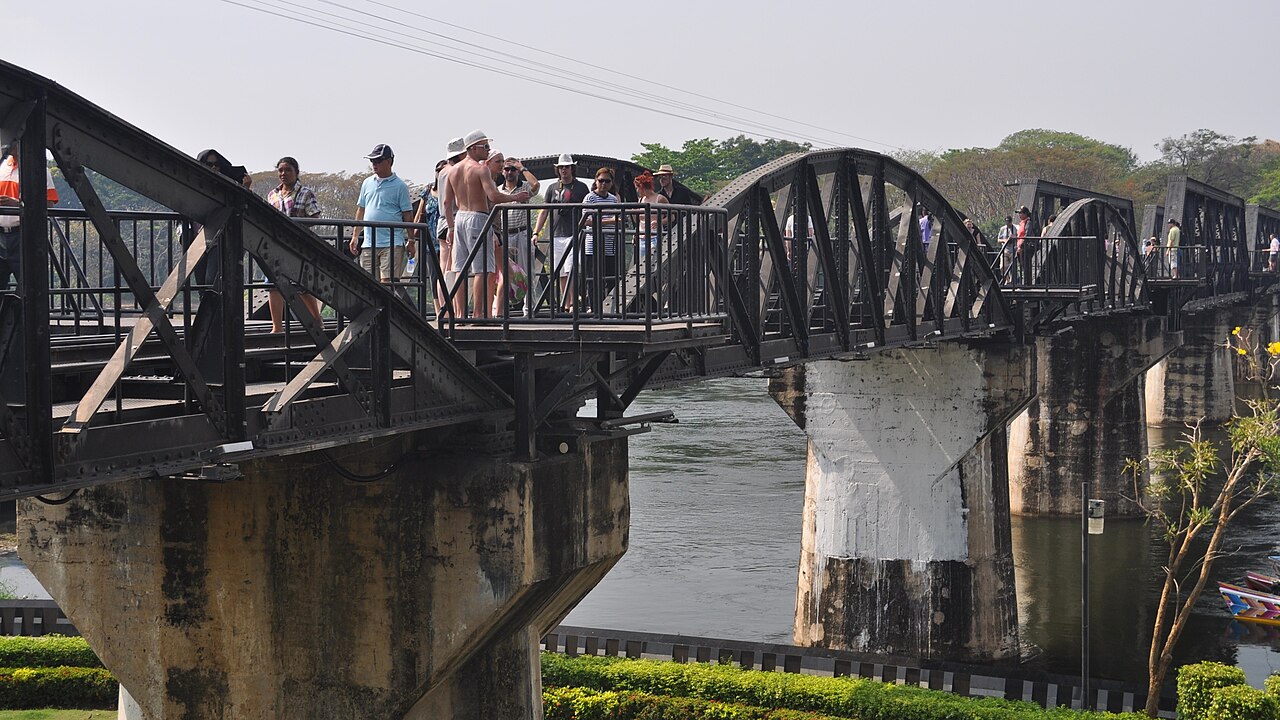
Stay at a riverside guesthouse in town, eat at local restaurants, cycle or walk to the Bridge over the River Kwai, focus on free sights in town, and pay Thai entrance rates at the falls.
Comfortable mid-range
Stay at a resort or mid-range raft house with breakfast, rent a car or hire a driver out to Erawan Falls, and grab a riverside café here and there. This is the level most people travel at.
Easygoing premium
Stay at a boutique raft house or pool villa on the River Kwai with a floating breakfast, focus on relaxing at the property, and take your time with the sights.
Saving on transport
Vans and buses from Bangkok's Southern Bus Terminal or Mo Chit to Kanchanaburi run around 150–200 THB. The Nam Tok train line is cheaper but slower. If you're coming as a group, renting a car and driving yourself usually works out better, since the sights are spread out and public transport within the province is limited.
How to book a riverside raft house well
Sleeping on a raft house along the River Kwai is the main draw of Kanchanaburi. There's everything from simple rafts in the low thousands to boutique rafts floating amid the hills. Popular ones people often mention include The FloatHouse River Kwai and River Kwai Jungle Rafts around Sai Yok district, with prices starting around 2,000 THB a night depending on the season. The rafts up on Srinakarin Dam around Si Sawat are quieter and more peaceful.
- Book ahead — the good rafts fill up fast on long weekends and in winter; book at least 2–4 weeks in advance
- Check how you get to the raft — some rafts in Sai Yok or on the dam need a boat transfer; look at the shuttle boat times before you book
- Check whether meals are included — many rafts are far from restaurants, so a package with meals is usually better value and more convenient
- Read reviews about noise and insects — a raft out in nature has charm, but it comes with mosquitoes and the buzz of cicadas; bring repellent just in case
SIM and data while traveling
In Kanchanaburi town the signal is good on every network, but once you head into the waterfall areas, the parks, or a raft out on the dam, the signal weakens or drops out in patches. That's normal for forested, hilly terrain, so plan for some spots to be offline.
- Thai travelers — your current SIM is fine; top up a weekly data package before heading into the waterfall areas. Each network has unlimited-data deals at everyday speeds for a few hundred baht
- Foreign travelers — tourist SIMs from AIS/True/dtac for 8–30 days with unlimited data run around 449–1,199 THB, available at the airport and convenience stores
- Download offline maps — save the Kanchanaburi area in Google Maps beforehand in case data drops out inside the parks
Packing checklist
- Shoes with good grip — the paths up to the falls are wet and slippery, especially in the rainy season
- Swimwear and a towel, plus a waterproof pouch for your phone
- Cash for park entry and local spots that don't take transfers
- Mosquito repellent and sunscreen for the nature spots and riverside rafts
- A light jacket if you go in winter — mornings by the river are colder than you'd expect
All set — let's look at where to stay and what to do in Kanchanaburi next
See the Kanchanaburi guide →