🔄 Updated 21 Jun 2026
Between 1968 and 1982, the Khao Kho area sat at the meeting point of three provinces — Phetchabun, Phitsanulok, and Loei — and was once a base of operations for the Communist Party of Thailand. The whole mountain, now covered in resorts and strawberry farms, used to be a combat zone that was extremely hard to reach. Before it could become the tourist town it is today, soldiers, police, and civilians had to retake the area one hill at a time. That backstory is exactly what makes a trip to Khao Kho feel like more than just a view.
Khao Kho Palace — the summit and a 360-degree view
Khao Kho Palace stands on one of the high points of the range. It was built as a royal residence for when King Rama IX and the Queen visited the people here and followed the development work on Khao Kho after the fighting ended. The palace itself isn't open inside, but you're welcome to walk the grounds and gardens. The draw here is the wide-open view of mountains stacked in layers — come a bit earlier in the late-rainy-to-early-cool season and you may catch sea fog drifting through the valleys.
- Free entry — no admission fee, easy parking, and an easy walk around the outside.
- Exterior only — the palace interior is closed, so you'll be looking at the architecture and the surrounding gardens.
- Wide-open view — a great spot to photograph the layered mountains; come in the soft light of morning or late afternoon.
Tip
The palace sits on the climb toward the summit, where the wind is strong and it runs several degrees cooler than down below. Pack a windbreaker — even on a summer morning, it stays pleasantly cool up here.
Want more out of Phetchabun? Book tours & activities
Booking online ahead on Klook or GetYourGuide is usually cheaper than the gate and skips the queue. Pick only the experiences you actually want — prices and availability are shown live on each site.
Khao Kho Memorial — the heart of the story
The Khao Kho Memorial stands on another high ridge, built to honor the soldiers, police, and civilians who died in the fighting to retake Khao Kho. The monument is a triangular marble pillar designed by Dr. Krisda Arunwong Na Ayutthaya; the triangle represents the three sides working together — civilians, police, and military. The names of the fallen are inscribed at the base, and standing there reading them makes the weight of the word "sacrifice" hit a lot harder.
- Opening hours — roughly 07:00–17:00 daily.
- Entry fee — around 10 THB; for groups, staff can give a short briefing and screen a video about the Khao Kho fighting.
- Viewpoint — the memorial ridge sits high, with mountain views in every direction, so it's both a place of remembrance and a viewpoint in its own right.
Visiting etiquette
This is a place that honors the dead, not just a check-in spot. Dress respectfully, keep your voice down, and take photos in a way that respects the site — it'll make the trip mean more than one pretty picture.
Ithi Base + weapons museum — where history is tangible
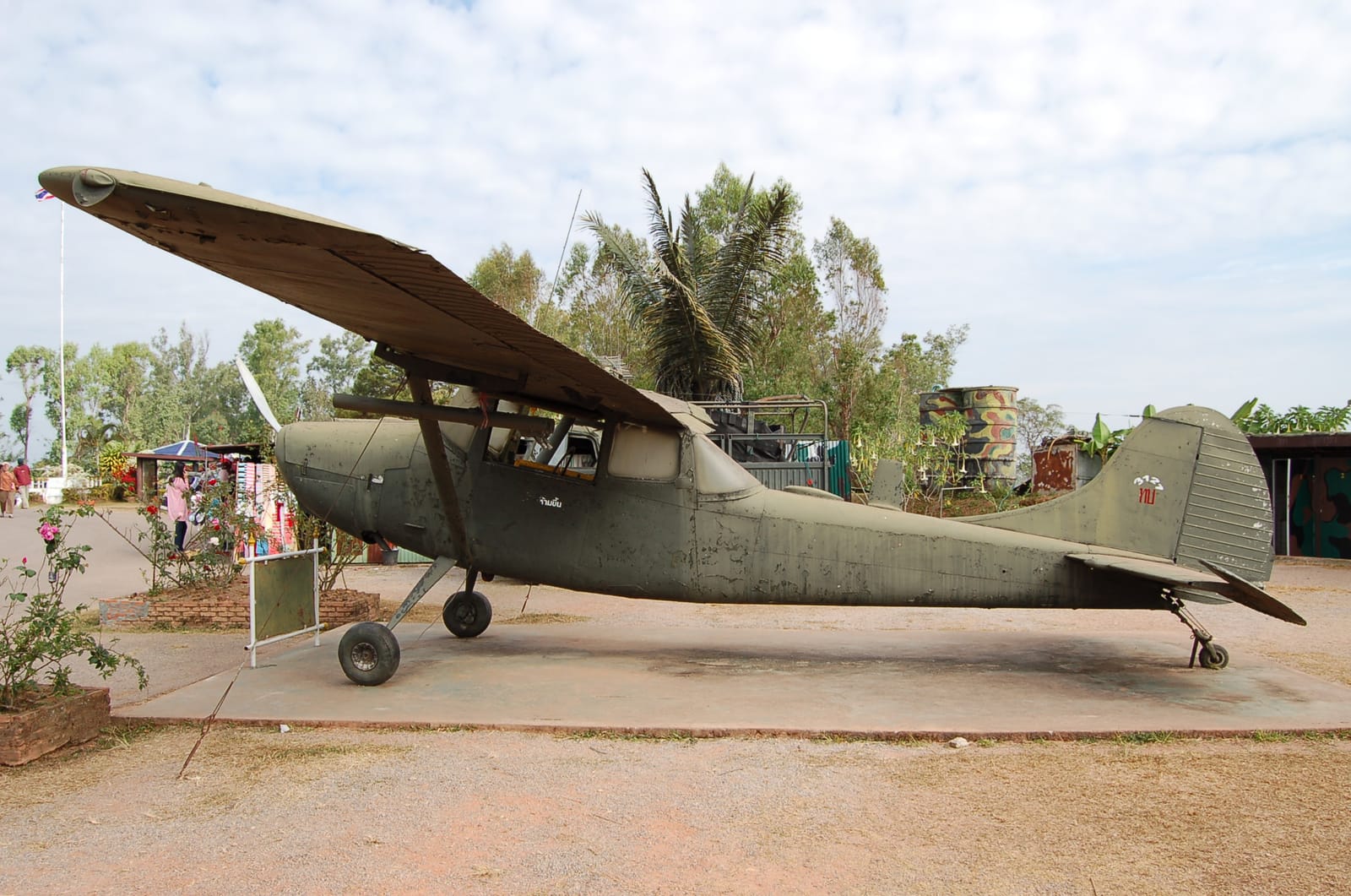
If the memorial is the part about memory, Ithi Base is the part you can actually touch. This weapons museum is named after Colonel Ithi Simaraks, who played a key role in retaking Khao Kho in 1981. The spot was once a real artillery base that fired in support of the fighting; today it's an open-air museum where the weapons that were actually used in combat are laid out for you to walk right up to — an F-5 fighter jet, an armored personnel carrier, and artillery pieces. Kids love it, and adults come away with a clearer picture of the fighting than any book gives you.
F-5 fighter jet
A real combat aircraft on display — a photo stop that brings the air war of that era into focus.
Artillery + APC
Heavy weapons that saw real action on the battlefield, displayed in the open so you can walk all the way around them.
Firing-base story stop
Signs and the surrounding ground explain how this base provided fire support in retaking the hills.
All three stops in one day
The palace, the memorial, and Ithi Base all sit close together along the climb up Khao Kho, so you can easily roll them into a half day or a full day. Here's a route that keeps the light good and avoids backtracking.
Start at the summit in soft light
Dig into the history
Getting there and when to go
- A car is easiest — the road up Khao Kho is steep and winding, so check your brakes before the climb. All three stops sit along the main mountain route, so you can loop them together.
- Peak season is winter — November to January brings cool air and sea fog, but it's crowded and rooms book up fast, so reserve ahead.
- The rainy season is lush and green — June to October, the mountains turn green and room rates drop, but watch for slick roads and thick fog that cuts visibility short.
- Budget half a day — these three stops together take about 2–3 hours, leaving time for a cafe or another viewpoint afterward.
Plan a full Khao Kho–Phetchabun trip — views, history, and food all in one
See the Phetchabun travel guide →