📝 Written 1 Jul 2026 · ✅ Fact-checked 3 Jul 2026 · prices and schedules can change — check with the operator before booking
Khao Yai is Thailand's first national park, and it's one of the forests UNESCO has listed as a World Heritage site as part of the Dong Phayayen-Khao Yai Forest Complex. The area spans four provinces, but the most popular entrance is on the Pak Chong side in Nakhon Ratchasima province. The forest here is still healthy enough to support gibbons that call loudly at dawn, hornbills gliding across the valleys, herds of deer and barking deer grazing along the roadside, and wild elephants that on some days simply walk across the road, cars stopping to wait for them.
Most people come to Khao Yai to drive around spotting wildlife, stop at waterfalls, and head up to the viewpoints, either in a single day or over a night's stay. On this page we'll walk through what a day in Khao Yai looks like, what past visitors have seen, and what you should know before you go — both the reasons people fall in love with it and the parts you should mentally prepare for.
Khao Yai National Park (UNESCO World Heritage: Wildlife Spotting, Haew Suwat-Haew Narok Waterfalls, Viewpoints)
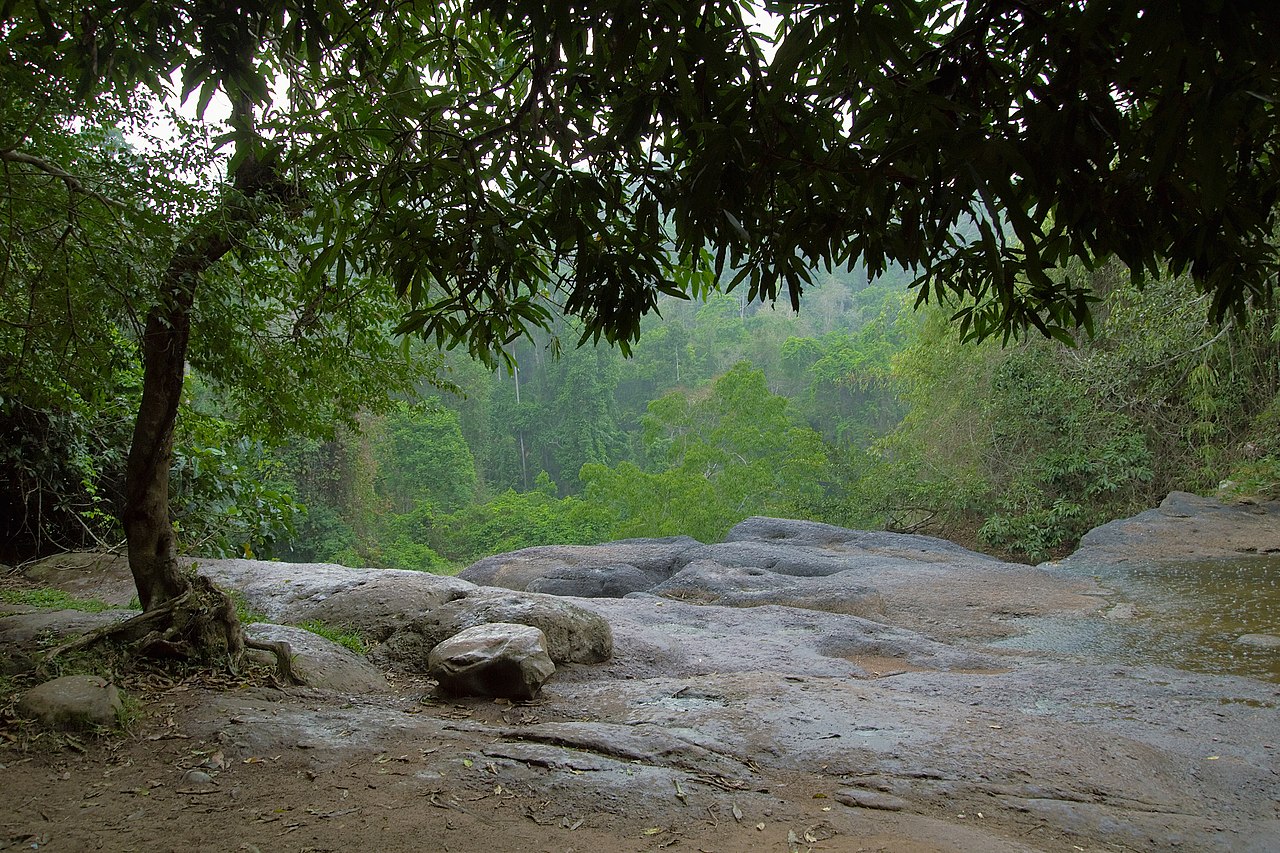
A day in Khao Yai usually starts with driving up the mountain from the Pak Chong side early in the morning, passing through the fee checkpoint and then slowly climbing the winding road into the primary forest. The spot nobody skips is Haew Suwat Waterfall, the signature waterfall of Khao Yai where the water drops down a roughly 20-meter cliff face. It's a short walk from the car park down to the viewing point. Those with more time and energy for a proper trek usually head down to Haew Narok Waterfall, the park's largest and tallest waterfall, which falls in three tiers and requires a fair bit of stair-walking to reach. Throughout the day there are also viewpoints looking out over endless green mountain ridges, wildlife-watching towers, and short hiking trails to choose from depending on your energy level.
What sets Khao Yai apart from typical nature destinations is the wildlife. Early morning and just before sunset are when animals come out to feed along the roads and across the grasslands. Visitors to Khao Yai commonly spot deer, barking deer, macaques, giant squirrels, hornbills gliding across the valleys, and gibbons whose calls ring out from dawn. Wild elephants are the animal most people hope to see most of all — on lucky days a herd walks right across the road and cars simply wait for them to pass, but there's no guarantee of a sighting. Going with a tour or a driver who knows the wildlife-viewing spots improves your odds considerably compared to just driving around on your own, and at night the park runs a night safari — riding in a vehicle with spotlights to look for animals that are active after dark.
To be upfront about what to prepare for: you'll have to pay a park entrance fee, with the foreign visitor rate running several times higher than the Thai rate, plus a separate vehicle fee. Wildlife sightings aren't guaranteed — some days you'll see plenty, other days almost nothing, depending on the season and time of day. On weekends and long holidays, expect heavy traffic buildup starting from the checkpoint and at the most popular viewpoints. The mountain roads are winding, with thick fog during the rainy season, so extra careful driving is a must. In the rainy season the hiking trails are also slippery and leech-prone, so bring leech socks and shoes with good grip. And because the sights are spread out with no public transport within the park, you'll need your own vehicle or a tour with transfer included.
- The closest UNESCO World Heritage forest to Bangkok — about a 2 to 2.5 hour drive gets you into pristine primary rainforest
- A real chance to see genuine wildlife in the wild, including deer, barking deer, macaques, hornbills, gibbons, and on some days, wild elephants
- Several major waterfalls in one place, from the easily accessible Haew Suwat to Haew Narok, the park's largest
- Viewpoints, wildlife-watching towers, hiking trails at multiple difficulty levels, and a night safari activity
- You'll need to pay a park entrance fee (the foreign visitor rate is several times higher than the Thai rate), plus a separate vehicle fee
- Wildlife sightings aren't guaranteed and depend on season and luck of the day · holidays bring crowds and heavy traffic
- Mountain roads are winding with thick fog in the rainy season, when trails also get slippery and leech-prone, and you'll need your own vehicle or a tour
💡 Know before you enter Khao Yai National Park
Enter the park early in the morning while it's still cool. Animals like deer, barking deer, and monkeys come out to feed along the roads and grasslands more than they do once the sun gets strong later in the morning.
A driver or guide familiar with the routes will know where to be and when, improving your odds of a sighting and saving you from driving around the winding roads on your own guesswork.
Hiking trails get slippery and leech-prone in the rainy season. Wear leech socks or protective socks along with shoes that grip well, and pack some antiseptic just in case.
You'll need to pay an entrance fee at the checkpoint, with different rates for Thai and foreign visitors, plus a separate vehicle fee. Have cash ready before heading up the mountain.
Book tours and activities in Khao Yai National Park
Compare schedules and prices across providers — booking online ahead of time locks in your slot and gets you someone who knows the wildlife-spotting locations.
Spent the whole day at Khao Yai National Park and want a well-located place to stay with mountain views? See our curated picks.
See well-located hotels in Khao Yai →