🔄 Updated 21 Jun 2026
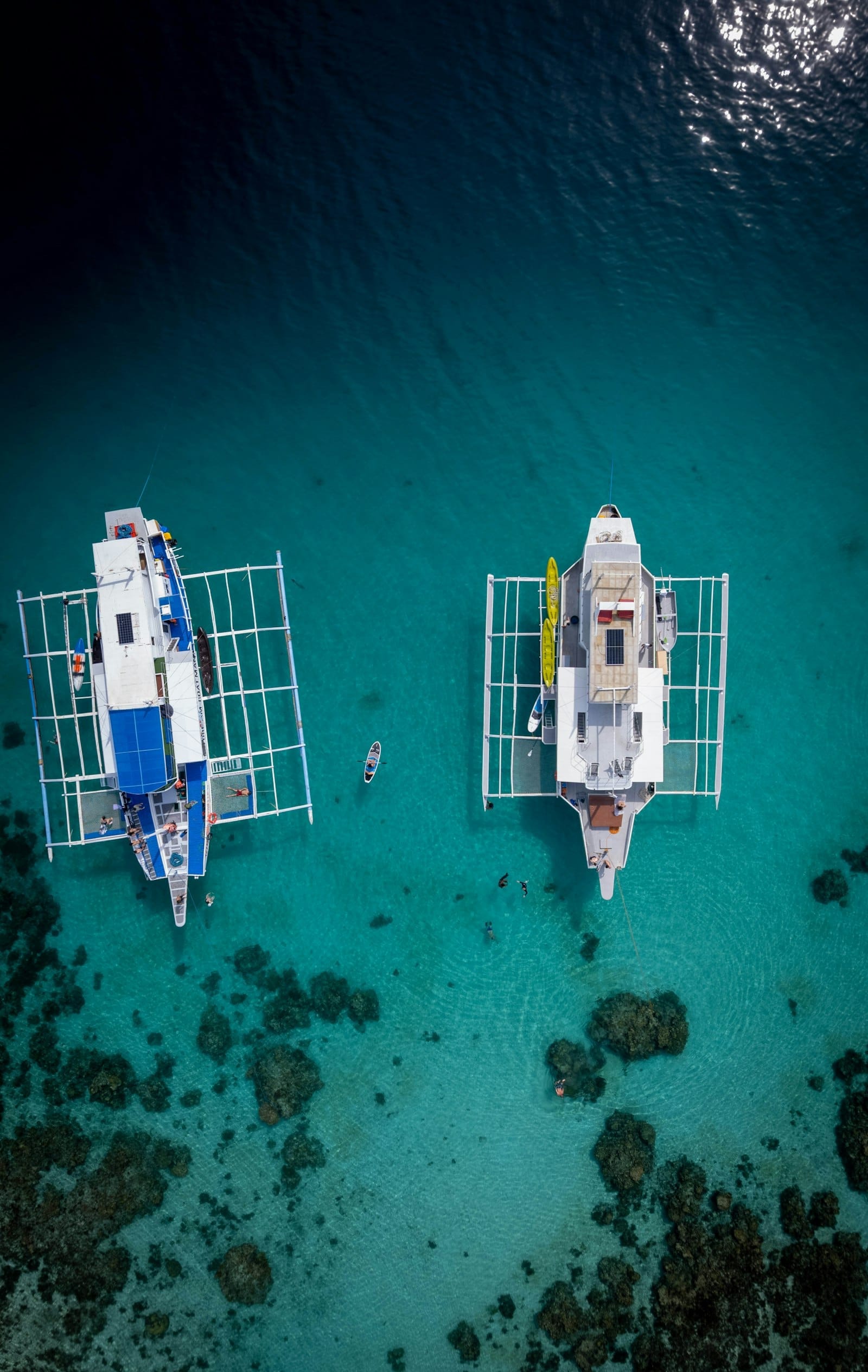
A lot of people arrive at Koh Chang and feel a little let down that the water along the beaches isn't as clear as the photos, especially at high tide or after rain. That's normal for a big island fed by rivers and streams that carry sediment. The genuinely clear water is out at the surrounding islands, which means a boat ride. A one-day snorkeling trip is the best-value way to actually see coral and fish, and almost every trip leaves from Bang Bao pier at the far south of the island.
The islands the trips visit
Snorkeling routes split broadly into two lines: the Koh Rang line (inside Mu Ko Chang National Park, the clearest water) and the Koh Wai–Koh Kham–Koh Mak line (closer, with no park fee). Most tours pair three snorkeling stops with one or two sightseeing stops over the course of a day.
Koh Rang (Koh Rang archipelago)
The clearest water and healthiest coral in the area, with clownfish, parrotfish, and damselfish. Good for both beginners and underwater photographers. It sits inside the national park, so there's an entry fee.
Koh Wai
A small island with clear water and coral right off the beach that you can wade in and snorkel. It's a favorite on the closer route, with a few small resorts — some people stay overnight.
Koh Kham
A pretty rocky island with clear water all around, plus coral and submerged boulders to look at. Good for snorkeling and for island photos.
Koh Yak Lek–Koh Yak Yai
Two paired rocky islands near Koh Rang, a snorkeling stop the big tour boats like to swing by. Clear water with boulder coral and schools of fish.
Which line to pick
If you want the clearest water and the best coral, go with the Koh Rang line (worth the 200 THB park fee). If you're on a budget or get seasick easily, the Koh Wai–Koh Kham line is closer and the ride is smoother — you'll still see plenty of coral.
Want more out of Koh Chang? Book tours & activities
Booking online ahead on Klook or GetYourGuide is usually cheaper than the gate and skips the queue. Pick only the experiences you actually want — prices and availability are shown live on each site.
Catching a boat from Bang Bao pier
Bang Bao pier sits at the far southern tip of Koh Chang, an old fishing village that's turned into the launch point for boat trips and seafood restaurants. Almost every snorkeling tour leaves from here because it's closest to the outer islands. The tour shops line the village's wooden boardwalk — you can book at the counter, or have your resort book for you. Most include pickup from accommodation around White Sand Beach, Kai Bae, and Klong Prao down to Bang Bao pier.
- Large wooden boats — the cheapest option, leaving as a group with room for 100+ people. Steadier than speedboats and better if you get seasick, but the trip takes longer.
- Speedboats — faster, with more stops, good if you're short on time. They slam over the chop harder, though, and cost more.
- Private charter — set your own route, great for a group or family. Prices run from the high hundreds into the low five figures per boat.
Rough snorkeling tour prices
The prices below are ranges from Bang Bao tour shops actually selling in 2026. They shift with the season and group size, so confirm with the shop. The Koh Rang park fee (200 THB for foreigners, 100 THB for children, cheaper for Thais) is usually separate from the tour price — ask clearly whether it's included.
Full-day wooden boat, 4–5 islands
The best-value option. A large two-deck wooden boat with three snorkeling stops and one or two sightseeing stops, including a buffet lunch, drinking water, tea and coffee, snacks and fruit, plus snorkeling gear. Leaves around 9am, back around 4:30pm.
Full-day wooden boat, Koh Rang line
Focused on Koh Rang, where the water is clearest and the coral healthiest. Priced close to a regular wooden-boat trip, but you'll add the park fee. The water on this line is noticeably clearer than the Koh Wai line.
Half-day speedboat, Koh Rang
Good if you only have half a day. Pick a morning or afternoon slot, get there fast, and snorkel two or three stops — though you don't get the relaxed pace of a full day.
Private charter, Koh Kham–Koh Mak–Koh Wai line
Charter the whole boat for your group and set the stops and timing yourself. Great for a family or group of friends, with meals, snorkeling gear, and snacks included.
Straight talk on the park fee
Trips that enter the Koh Rang zone charge a park fee on top: 200 THB for foreigners, 100 THB for children. Koh Wai, Koh Mak, and Koh Kham are outside the park, so there's no fee. People often forget to add this and end up feeling the trip cost more than advertised.
When to go — and when to skip it
Boat snorkeling trips depend heavily on the weather. The clearest water and calmest seas run from November to early May — that's the high season and the time to come. During the southwest monsoon, roughly mid-May to October, the swell picks up, the water turns murky, and many shops stop running boats; some close for the whole stretch. If you come in low season, check ahead to see whether trips are still going out.
- Nov–Apr — calm seas, clearest water, trips run every day. The best time by far.
- Late Apr–early May — the swell starts up. Still doable, but check the forecast day by day.
- Mid May–Oct — monsoon, strong swell, murky water. Many shops close or run boats depending on the weather, and the ferries linking Koh Mak and Koh Kood stop at times too.
Check the weather before you book
Even in high season there can be days when the sea kicks up. If it's windy with high swell on the morning of your trip, don't push it — reschedule instead. Small boats out in open water are riskier than you'd think. A good shop will cancel on its own when conditions aren't safe.
Want to scuba dive too
If you're after more than snorkeling, Koh Chang has some worthwhile dive sites. The standout is the HTMS Chang, an old warship scuttled as a dive site back in 2012, about 100 meters long — the largest wreck in Thailand, sitting at around 30 meters. It suits advanced divers, with schools of fish, barracuda, and the occasional turtle. Koh Rang also works as a dive site for beginners. Several dive centers operate from Bang Bao pier, including BB Divers, a long-established PADI center.
- HTMS Chang — a warship wreck at ~30m, for advanced divers, with plenty of fish.
- Hin Luk Bat–Hin Rang — submerged pinnacles with coral and schooling fish, good for mid-depth dives.
- Koh Rang — shallow water with healthy coral, good for Open Water courses and beginners.
What to prep and what to bring
- Reef-safe sunscreen — easier on the coral; some park areas ask you to use it.
- Long-sleeve rash guard — you float for a long time and burn faster than you'd expect.
- Dry bag or waterproof case — for your phone and camera; the boat will get wet.
- Seasickness tablets — take them 30 minutes before boarding, especially for speedboats in open water.
- Cash — the park fee and food on the islands are mostly cash-only.
Drive carefully on Koh Chang
The road around Koh Chang is steep with several sharp switchbacks, especially the stretch toward White Sand Beach–Kai Bae–Bang Bao. If you ride a motorbike to the pier, go slow, brake early, and don't push it when rain makes the road slick — plenty of accidents happen on these steep climbs. Having the tour van pick you up at your accommodation is the safer bet.
Plan a full Koh Chang trip — beaches, waterfalls, and food
See the Koh Chang travel guide →