🔄 Updated 21 Jun 2026
Koh Kood sits at the far south of Trat's waters — a quiet island that still feels natural and unspoiled. But the beaches on Koh Kood itself are mostly shallow sand with not much coral, so anyone who's serious about snorkeling tends to join a boat tour out to the Koh Rang islands, which lie in the open sea between Koh Chang and Koh Kood. Locals will tell you this is where the water is clearest and the coral is best in the area.
Where are the Koh Rang islands, and why is the water so clear?
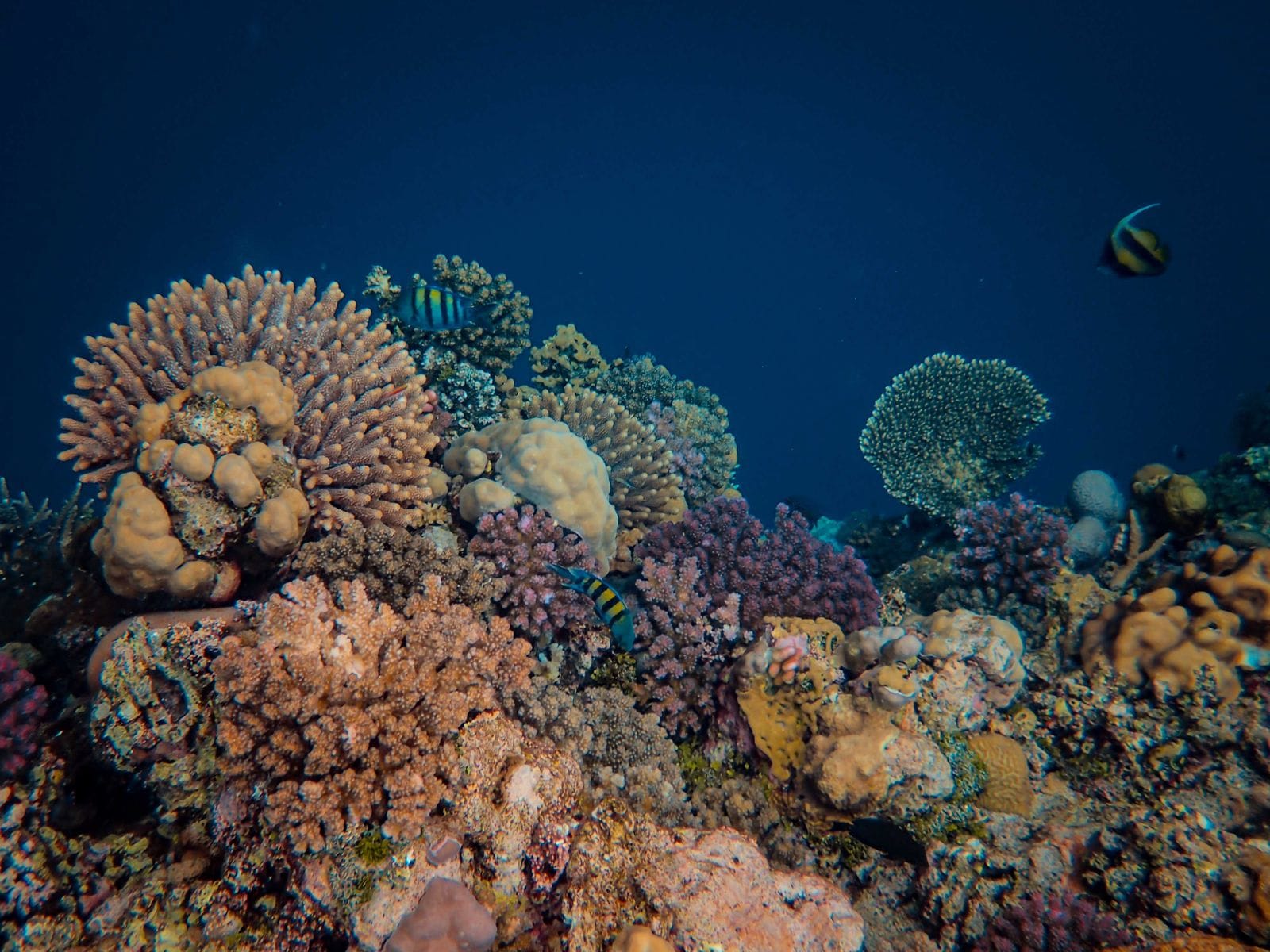
Koh Rang is a cluster of several small islands inside Mu Ko Chang National Park — Koh Rang Yai, Koh Rang Lek, Koh Kra, Koh Thonglang, Koh Yak, and a few others nearby. Because they're far from shore and inside a protected park where fishing is controlled, the water is clearer and the coral healthier than at the usual beaches. Some islands are great for snorkeling over coral; others have white sand beaches where you can stop, stretch your legs, and soak up the sun.
- Koh Rang Yai / Koh Rang Lek — the main stops of the trip; clear water, long reefs, and big schools of fish you can see clearly
- Koh Kra — a shallow reef that's good for first-time snorkelers; you can stand up in some spots
- Koh Thonglang / Koh Yak — usually the second or third stop; deeper water and plenty of fish
- Some programs stop at a white sand beach for lunch and photos
Want more out of Koh Kood? Book tours & activities
Booking online ahead on Klook or GetYourGuide is usually cheaper than the gate and skips the queue. Pick only the experiences you actually want — prices and availability are shown live on each site.
The one-day snorkeling boat tour program
Most Koh Rang snorkeling trips run morning-to-afternoon, leaving Koh Kood by speedboat or tour boat. It takes about 45 minutes to an hour to reach the Koh Rang islands, then you snorkel at 2–3 spots. Here's a rough schedule that most operators follow fairly closely (timings depend on the swell and the spots you choose).
Koh Kood → Koh Rang islands → Koh Kood
Pick the boat that suits you
A speedboat is faster and gets you to the dive spots quicker, but it rocks harder when the swell is up. A larger tour boat is slower but steadier. If you get seasick easily, take the bigger boat and sit in the middle, and take a motion-sickness tablet about 30 minutes before you set off.
Rough prices and what's included
A one-day Koh Rang snorkeling trip booked directly from Koh Kood runs about 940–1,200 THB per person for Thai visitors (2026 prices, based on local operators such as community-run tour outfits around Trat's coast and other local providers). Tours booked through international platforms tend to cost a bit more. Most prices already include the following.
- Return boat transfer from Koh Kood to the Koh Rang islands
- Snorkeling gear — mask, snorkel, and life jacket
- One lunch, with drinking water
- Mu Ko Chang National Park entry fee (usually included in the Thai price; foreigners are charged extra)
- A guide or snorkeling leader on board
Ask the right questions before you book
Ask whether the price includes the park fee, since some operators collect it separately on the day. And ask what time the boat leaves and how many spots you'll snorkel — some cheap packages only stop at one spot and then rush back.
Check the weather first — the thing people always forget
Trat's seas have two clear seasons. The tourist season, roughly November–April, brings calm seas and clear water — the best time to snorkel. The monsoon season, May–October, brings heavy rain and strong winds, boats to Koh Rang may be cancelled for days at a time, and many places to stay on Koh Kood close for the season. Before you make plans, check the forecast and ask the boat operators ahead of time.
- Check the wind and swell forecast from the Thai Meteorological Department or a weather app 2–3 days before you travel
- Call the tour operator directly and ask whether the boat will run on your date and what the swell is like
- If you're going in monsoon season, line up a backup plan — like Klong Chao Waterfall or exploring the island — in case the boat doesn't run
- Rain on the island doesn't always mean the sea is closed, but high swell is the sign to postpone
Safety first
If the boat captain says the swell is rough today and suggests postponing, take their word for it. The Koh Rang islands sit out in the open sea where conditions change fast, and pushing out in rough water risks both bad seasickness and real danger.
Getting to Koh Kood before your snorkeling trip
Before you can reach the dive spots, you have to get to Koh Kood first — and it's noticeably farther than the other islands in Trat. From Bangkok, drive or take a minivan to Laem Sok Pier in Trat province, about 5–6 hours, then take a ferry or speedboat across to Koh Kood, another 1–1.5 hours.
- Laem Sok Pier is the main pier for Koh Kood, with both ferries and speedboats
- Boats run on a limited schedule each day (e.g. late morning and afternoon), so check the timetable and book ahead in high season
- Songthaews (shared pickup taxis) run from Trat town to the pier for a few tens of baht per ride
- You can park at the pier for around 100 THB per day
Leave room on day one
Because the journey is long and the boats run on a limited schedule, don't book a snorkeling trip on the day you first arrive on the island. Allow for boat delays or a late arrival — it's more relaxed to do the snorkeling trip the next day.
What to prepare and watch out for on Koh Kood
- Things on the island cost more than on the mainland because transport is difficult — bring extra cash and any essentials you might need
- Phone signal and electricity are limited in places; some resorts only run power at certain hours, so check before you book
- If you rent a motorbike to get around, the island roads are narrow with steep climbs and descents — ride slowly and watch the bends
- Use reef-safe sunscreen that won't harm the coral, and don't step on or touch the coral while snorkeling
- Pack motion-sickness tablets, sunscreen, a hat, and a windbreaker
Plan your full Koh Kood trip — where to stay, what to do, and how to get around
See the Koh Kood travel guide →