🔄 Updated 21 Jun 2026
What makes Mae Hong Son special is how slow and how high it sits. The town is in a valley ringed by tall mountains, so mornings bring mist in almost every season. The road in twists so much that locals call this the "town of 1,864 curves" — but once you arrive you'll find sights you won't see anywhere else in Thailand. We've grouped them the way people actually travel here: mountain nature · the old town in the centre · and cultural villages. Pick what fits the days you have and the season you're visiting.
Mountain Nature — Lakes, Caves and Flower Fields
This is the reason most people come to Mae Hong Son in the first place. Most of these spots are outside town, so you'll need to drive or rent a vehicle to reach them. Set out early to catch the mist and skip the harsh afternoon sun.
Pang Ung (Pang Tong Royal Project 2)
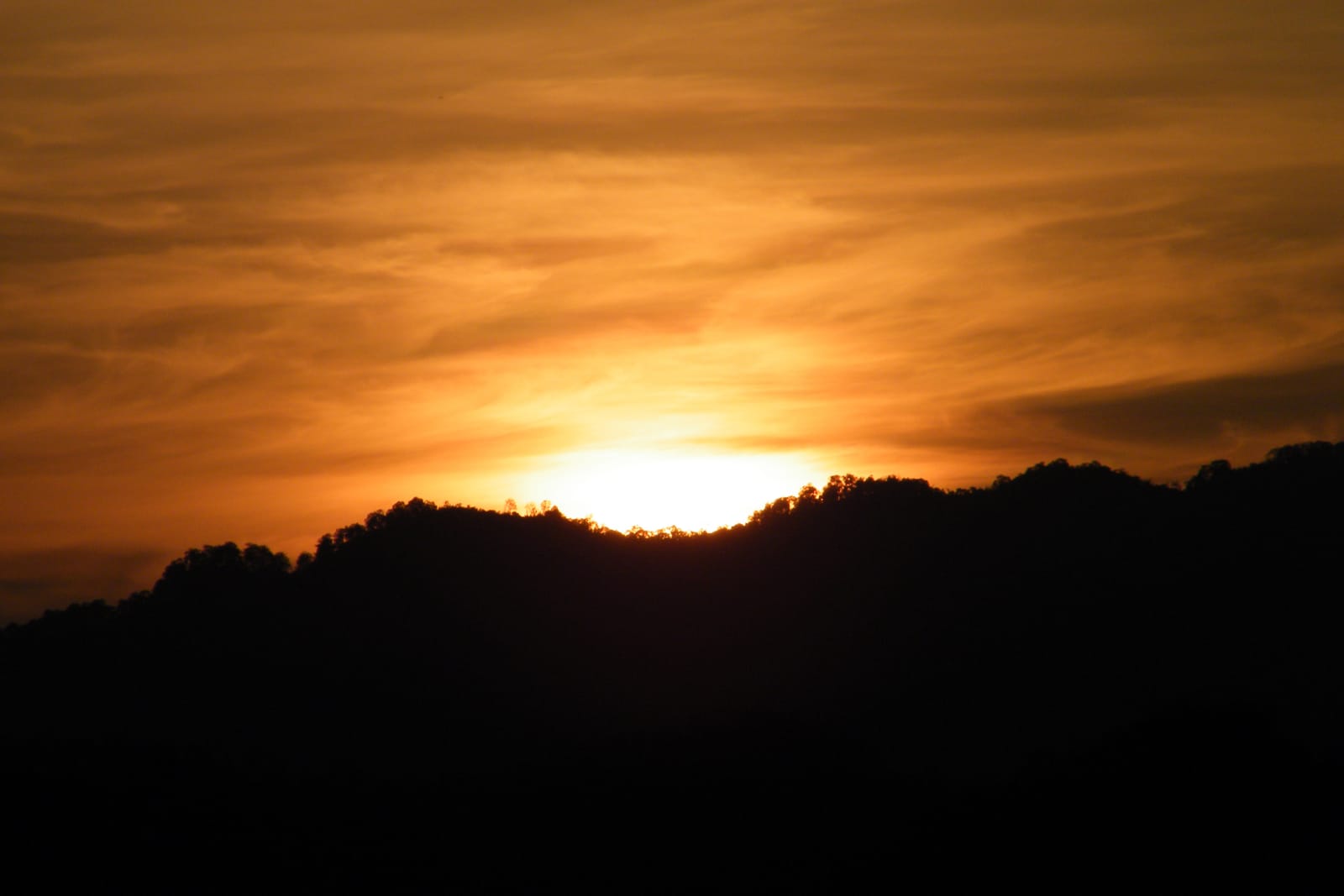
A lake set among pine forest that people call the Switzerland of Thailand. In the early dawn, mist drifts over the water while golden light cuts the silhouettes of the pines — the image most visitors remember most. Aim to arrive before 7am while the fog is still thick. Many people stay nearby overnight so they don't miss the early window.
Doi Mae U Kho Sunflower Fields (Khun Yuam)
The largest fields of Mexican sunflowers (bua tong) in Thailand, blooming across an entire hillside at around 1,600 metres. The views run a full 360 degrees because there are no tall trees to block them. They flower only once a year, from mid-November into early December — time your trip to that window and you've got it just right.
Tham Lod Cave (Pang Mapha)
A large cave with a stream running right through the mountain and out the other side. You walk through three chambers of stalactites and stalagmites, hiring a lantern-carrying guide and crossing the water on a bamboo raft. At dusk, tens of thousands of swiftlets fly back to roost. It's a fun cave because someone is there telling you the story as you go.
Pai Canyon (Kong Lan)
Narrow earth ridges carved by water into channels 30–50 metres deep. You can walk along the spines for views of the valley in every direction, and the popular thing is to sit and watch the sunset. Some stretches of the path are narrow and steep, so closed-toe shoes are safer. It's just before you reach Pai town.
Ban Ja Bo Viewpoint (Legs-Dangling Noodles)
A Lahu village on a ridge with a noodle shop where you sit with your legs dangling over the cliff edge, slurping a hot bowl while you look out over a valley full of mist. It's a corner people haven't fully discovered because it's tucked deep in, but the view more than earns the drive. Go on a cool-season morning for the thickest fog.
About the mist and the seasons
The sea of mist at Pang Ung and Ban Ja Bo is thickest from November to February (cool season), and the mornings are genuinely cold — pack a warm jacket. In the rainy season some roads get slippery and the fog rolls in heavy, so drive slowly.
Want more out of Mae Hong Son? Book tours & activities
Booking online ahead on Klook or GetYourGuide is usually cheaper than the gate and skips the queue. Pick only the experiences you actually want — prices and availability are shown live on each site.
In Mae Hong Son Town — Shan Temples and Old-Town Corners
If you'd rather not drive far, the town itself is easy to wander for half a day. The temples here are Shan (Tai Yai) architecture that's hard to find elsewhere in Thailand — stacked, tapering roofs trimmed with fretwork zinc.
Wat Chong Kham & Wat Chong Klang
Twin Shan temples beside Nong Chong Kham lake in the town centre, at their best after dark when the lights reflect the temples onto the water. Walkable from the town market.
Wat Phra That Doi Kong Mu
Twin chedis on the hilltop above town. Climb up to pay respects and you'll see the whole town and planes taking off and landing at the airport. The view is good both morning and evening.
Mae Hong Son Walking Street
From evening into the night, Shan food, souvenirs and crafts line the length of Nong Chong Kham lake. The mood is easy and not crowded.
Wandering the town
Wat Chong Kham–Chong Klang, Phra That Doi Kong Mu and the walking street are all close together. They fit neatly into the evening of your first day or the last day before you head home — no rush needed.
Cultural Villages — Yunnanese, Shan and Mountain Life
What sets Mae Hong Son apart from the rest of northern Thailand is the ethnic communities settled up in the hills — both Yunnanese Chinese who migrated here after China's civil war, and Shan people who crossed over from Shan State. The result is a blend of culture, food and architecture that's hard to find anywhere else.
Ban Rak Thai (Mae Aw)
A Yunnanese Chinese village beside a lake right on the border, with earthen tile-roofed houses, terraced tea plantations, and tea shops serving stewed pork leg and mantou buns to sip over in the cool air. Free entry, open about 09:00–18:00.
Pai
A small town in a valley with rice-field cafés, an evening walking street, and seas of mist all around. Worth a multi-night stop on the way from Chiang Mai.
Long-Neck Karen Village
An ethnic community that welcomes visitors to see its way of life and weaving. Go respectfully: buy directly from the community, and always ask permission before photographing anyone.
- Etiquette when visiting villages — ask before photographing people, buy directly from villagers, and dress modestly when entering temples or people's homes.
- On cash — many spots up in the hills have weak phone signal and don't take transfers, so bring enough cash.
- Getting between spots — the attractions are spread far apart on winding roads, so renting a car or motorbike is far more practical than waiting on public transport.
When to Visit Mae Hong Son
The cool season (November–February) is the best time: cool air, clear skies, thick mist, and the sunflower-field bloom. But it's also crowded and accommodation fills up fast. If you want to avoid the crowds, the rainy season (June–September) is greener and quieter, but the roads get slippery and some are closed temporarily. The hot months of March–April often bring haze from agricultural burning, so visibility isn't great.
Plan your whole Mae Hong Son trip — routes and where to stay
See the Mae Hong Son travel guide →