🔄 Updated 21 Jun 2026
For Bangkok residents wanting to beat the heat without a long drive, Muak Lek Waterfall has been a go-to for decades. It sits in Muak Lek district, Saraburi province, and draws its water year-round from the hills bordering Khao Yai. The falls are set inside the Muak Lek Arboretum, established in 1954, which gives the whole area a lush park feel with mature trees everywhere. Don't expect a dramatic plunge — this is a low, stepped sandstone cascade that's more about wading in the pools than watching water drop from height.
What the Waterfall Actually Looks Like
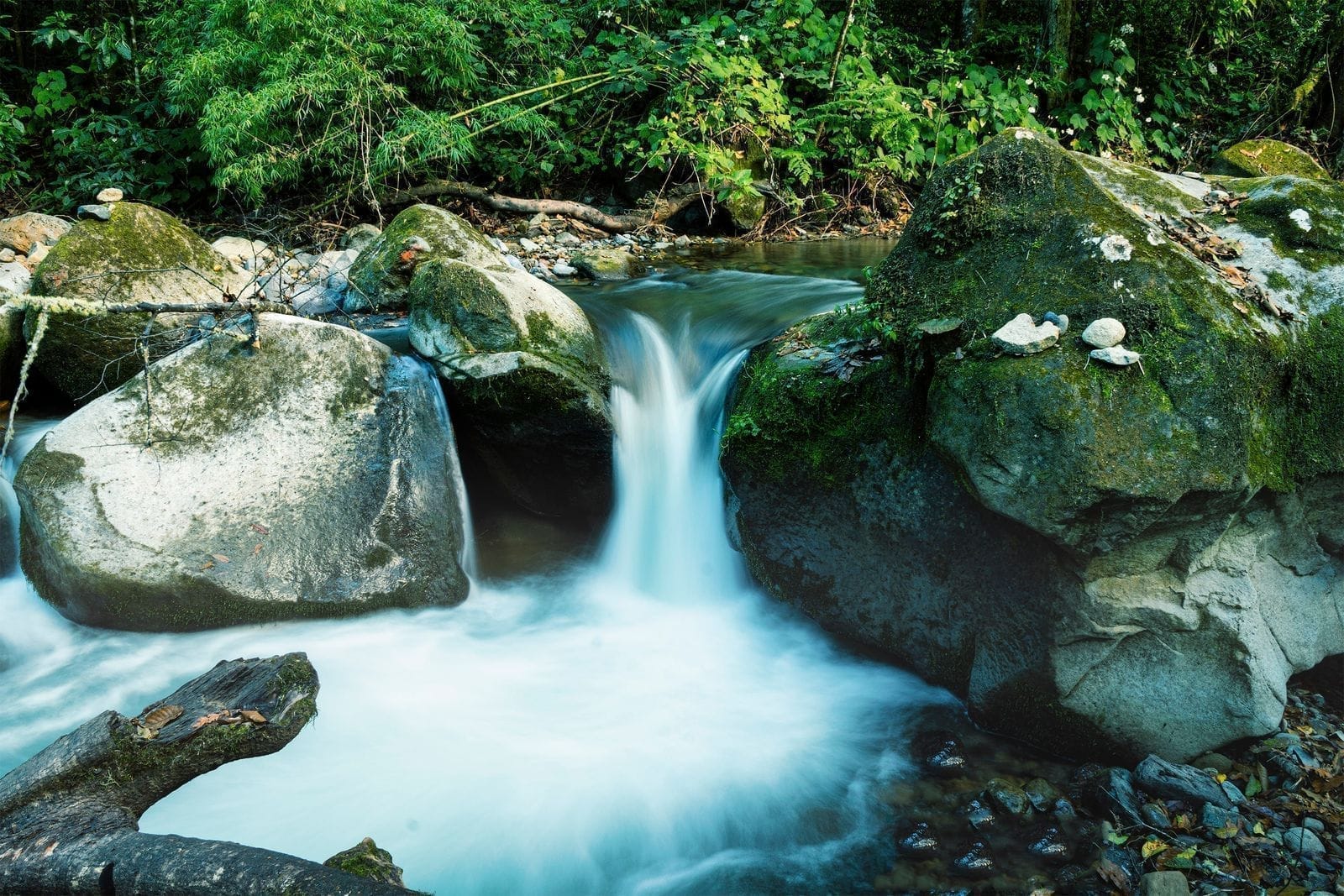
A lot of people arrive expecting something tall and multi-tiered, but Muak Lek is a single drop of around 5 metres, with water sliding down naturally stepped sandstone ledges into a pool below, then spilling into another. What makes it worthwhile isn't the height — it's the genuinely clear, cool water you can see straight through, and the shaded, stream-lined atmosphere around it.
- Single-tier fall, about 5 m high — stepped sandstone ledges, gentle flow, safe for kids
- Flows year-round — no need to time a visit around the rainy season like some waterfalls
- Wading pools included — shallow rock pools along the stream edge for sitting and splashing
- Boulders and riverside shelters — picnic spots by the stream; packing a lunch works well here
Want more out of Saraburi? Book tours & activities
Booking online ahead on Klook or GetYourGuide is usually cheaper than the gate and skips the queue. Pick only the experiences you actually want — prices and availability are shown live on each site.
Can You Actually Swim? Is It Safe for Kids?
Yes, and that's the main reason most people come. The pools are shallow and the current is gentle enough for children with an adult nearby. On long weekends and Songkran the good spots fill fast — arriving right when it opens gets you calmer water and more room. During the rainy season the flow strengthens; read warning signs and stay out of any visibly fast-moving sections.
Before You Go
The streambed rocks are slippery — sandals with a back strap or rubber water shoes are much safer than flip-flops. Bring a change of clothes; the on-site changing facilities are basic and limited.
Entry Fee, Opening Hours, and Facilities
- Entry fee: Free — no gate ticket required (small parking fee may apply on busy days)
- Opening hours: Daily, approximately 08:00–16:30
- Facilities: Separate male/female restrooms, riverside shelters, car park, and snack/food stalls near the entrance
- Suspension bridge: A footbridge crosses the stream from the car park to the falls — short, flat walk, no steep trail
Because the arboretum is managed by a government agency it feels more like a tidy public park than a remote forest, which means older visitors and toddlers handle the visit just fine — a few minutes on foot from the car park and you're there.
Getting to Muak Lek Waterfall
The waterfall is in the centre of Muak Lek district, right off Mittraphap Highway, so getting here by car or train is both straightforward.
Drive from Bangkok
Take Mittraphap Highway (Hwy 2) toward Nakhon Ratchasima — about 150 km, roughly 2 hours. Once in Muak Lek town, follow signs for Muak Lek Waterfall; a short side road leads to the arboretum entrance.
Train
Northeastern Line trains stop at Muak Lek station; third-class fares start at a few dozen THB. From the station, a motorcycle taxi or songthaew covers the last stretch to the falls. Good option if you enjoy a scenic rail ride.
Minivan / Bus
Bangkok–Pak Chong and Bangkok–Nakhon Ratchasima services pass through Muak Lek. Drop off in town, then take a motorcycle taxi or local transport to the waterfall.
Beat the Holiday Traffic
During long weekends, Muak Lek district roads back up. Leave Bangkok early and you'll get easy parking and quieter pools before the crowds arrive.
Making the Most of One Day in Muak Lek
The waterfall itself won't take a full day — pair it with nearby stops in the same district and you've got a comfortable dawn-to-dusk itinerary.
Morning swim — afternoon farm and café
Best Time to Visit
The falls run year-round, so there's no bad season — just different trade-offs. Hot season (March–May) draws the biggest crowds because everyone wants to cool off; the water is clear and calm, making it ideal for swimming. Rainy season (June–October) turns the surroundings lush and the volume picks up, but watch for stronger currents. Cool season (November–February) the water gets cold enough that wading is less appealing, though the greenery and air temperature make it a pleasant walk. If swimming is the goal, late hot season into early rainy season is the sweet spot.
Want to see everything Saraburi has to offer — waterfalls, dairy farms, and temples?
Read the Saraburi Travel Guide →