🔄 Updated 21 Jun 2026
The charm of this trip is how gradually it builds. Day one is quiet, riverside Nakhon Phanom — Phra That Phanom as the spiritual centre, old Vietnamese shophouses, and a riverfront walk in the evening. Day two heads north on Highway 212, stopping at Phra That Tha Uthen and a waterfall in the Phu Langka area before reaching downtown Bueng Kan to see Kaeng Ahong, the deepest point of the Mekong. Day three is a full day of nature: Naka Cave, which needs a booking; Phu Thok, with its wooden walkways winding around a cliff face; and the Three Whale Rocks, the image most people picture when they think of Bueng Kan. The two provinces are tied together by the same river, so it's easy to thread the whole Mekong story into one trip.
Before you set off
This trip needs your own car or a rental, because the sights in Bueng Kan are spread across different districts and connecting by public transport is genuinely hard. The single most important thing is Naka Cave inside Phu Langka National Park — you have to book ahead through the QueQ app, and there's a daily cap on visitors. If you want to be sure, book several days before your trip. Schedule the Naka Cave climb for day three, since it means an early start and the most walking of the whole trip.
Day 1 — Riverside Nakhon Phanom
Day one is an easy take on downtown Nakhon Phanom before the drive north the next morning. Start early by heading down to Phra That Phanom, about 50 km south of town, then loop back up to wander the old quarter and the riverfront in the evening. If you're short on time you can save Phra That Phanom for the drive in instead — but it's hard to skip, since it's the city's signature stupa.
Downtown Nakhon Phanom
Where to stay night one
Staying in downtown Nakhon Phanom by the river is the most convenient — you can walk out for dinner and catch the breeze off the water. Options range from riverfront hotels with Mekong views down to budget guesthouses. Pick somewhere near the riverside walkway so you can stroll there in the morning before setting off.
Book the activities in your Nakhon Phanom trip ahead
Booking online ahead on Klook or GetYourGuide is usually cheaper than the gate and skips the queue. Pick only the experiences you actually want — prices and availability are shown live on each site.
Day 2 — Driving north into Bueng Kan
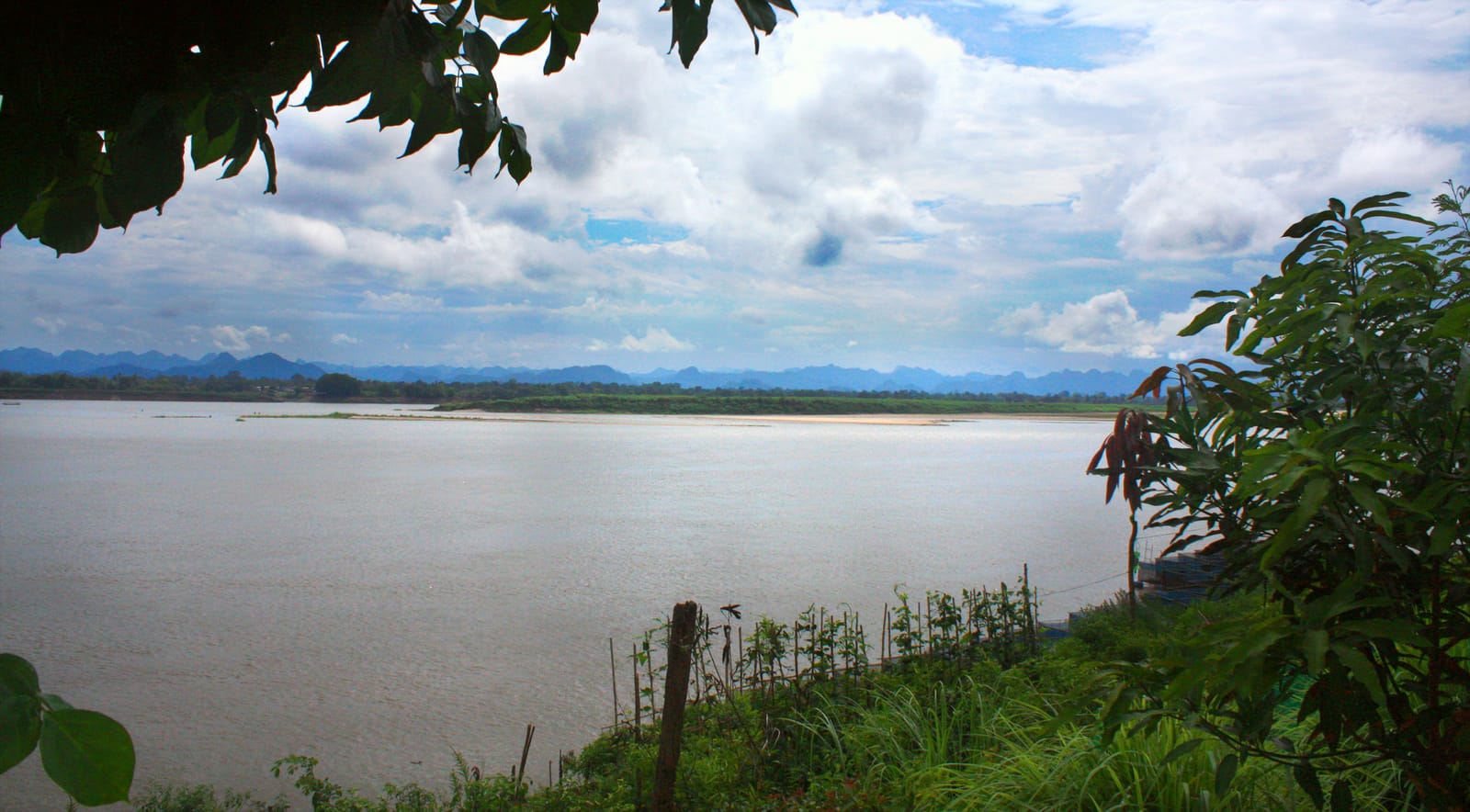
On the morning of day two you leave Nakhon Phanom heading north on Highway 212, right alongside the Mekong, with the river and the Lao mountains on your left for nearly the whole way. It's about 105 km to downtown Bueng Kan, roughly two and a half hours of driving if you don't stop — but there are good places to pull over the whole way, so plan on the full day. Today is about flowing slowly northward, no need to rush.
Nakhon Phanom → Bueng Kan
Where to stay night two
You can stay in downtown Bueng Kan or out around Bueng Khong Long. If you've already booked Naka Cave for the next day, look at places near Bueng Khong Long district, close to the trailhead up to Naka Cave — you'll be able to get up early and make your queue in time. But if you want more restaurant and cafe options, downtown Bueng Kan has more to choose from.
Day 3 — A full day of Bueng Kan nature
The last day is the highlight of the trip — a full day given over to the bigger nature of Bueng Kan. All three spots involve a fair bit of walking and climbing, so wear shoes with good grip and bring water and a hat. The key point is that Naka Cave must be booked ahead and you need to be down on time. Phu Thok and the Three Whale Rocks can be ordered around whatever Naka Cave slot you booked.
Naka Cave–Phu Thok–Three Whale Rocks
The standout stops along the route
Naka Cave (Bueng Kan)
A cave in Phu Langka National Park with rock formations resembling the body and scales of a naga — the most famous faith spot in Bueng Kan. There's a hill climb, and you must book ahead through the QueQ app.
Three Whale Rocks (Bueng Kan)
Three giant rocks on the cliff edge of Phu Sing that look like a whale family — the signature image of Bueng Kan. Most people go up by community local truck.
Phu Thok–Wat Chetiyakhiri Wihan (Bueng Kan)
A tall rock outcrop with wooden walkways and stairs winding around the cliff face up through several levels — both a meditation retreat and a far-reaching viewpoint. Anyone afraid of heights should take care.
Phra That Phanom (Nakhon Phanom)
The province's signature stupa and the birthday stupa for people born on a Sunday. The white-and-gold chedi stands tall in the middle of a plaza, one of the most revered by Isan locals.
Phra That Tha Uthen (Nakhon Phanom)
A white stupa about 66 m tall on the riverbank, modelled on Phra That Phanom but slimmer and taller. It's the birthday stupa for people born on a Friday, and the first stop heading north.
Phaya Sri Sattanakharat (Nakhon Phanom)
A large brass naga statue on the Mekong in the middle of Nakhon Phanom town — a landmark and a wish-making spot. In the evening plenty of people come to stroll and take photos.
Kaeng Ahong (Bueng Kan)
The deepest point of the Mekong, known as the navel of the Mekong. Nearby is the riverside Wat Ahong Silawat; in the dry season the water drops to reveal the rapids and islets clearly.
Phu Langka National Park–waterfalls (between the two provinces)
The stretch of forest where Nakhon Phanom and Bueng Kan meet, with Tat Kham and Tat Pho waterfalls to stop at. From the rainy season into early winter the water runs nicely — a good leg-stretch on the drive north.
Route and getting around
- Getting to Nakhon Phanom — flying into Nakhon Phanom Airport and renting a car is easiest, or you can take an overnight coach from Bangkok's Mo Chit terminal. Either way, you'll need your own vehicle for the rest of this trip.
- Nakhon Phanom → Bueng Kan — take Highway 212 north along the Mekong; it's about 105 km to downtown Bueng Kan, roughly two and a half hours if you don't stop, passing Tha Uthen and the Phu Langka area.
- Around Bueng Kan — the sights are spread across different districts: Naka Cave is in Bueng Khong Long, Phu Thok in Si Wilai, the Three Whale Rocks at Phu Sing. Expect 80–120 km of driving a day, and you'll need your own car.
- Three Whale Rocks and Naka Cave — most of the time you'll need a community guide truck or the park rangers to take you up to the viewpoints; you can't drive up to every spot yourself, so budget for the truck fares and fees.
- The drive back — return to Nakhon Phanom to drop off the car and catch your flight or coach, taking Highway 212 again for about two and a half to three hours. Leave in the late afternoon and you'll arrive around evening.
About the Naka Cave queue
Naka Cave caps the number of visitors per day for safety, split between an advance quota booked through the QueQ app and a walk-in quota on the day. If you go on a long weekend or during festival season it gets very busy, so book through the app several days ahead and arrive early — that way you won't miss out and you'll have time to walk at an easy pace.
Tweak the plan to your style
Naga faith trail
Focus on Naka Cave, Phaya Sri Sattanakharat, and the birthday stupas along the route — pay your respects across both provinces in one trip.
Nature and hiking
Cut the time in town and give it all to Naka Cave, Phu Thok, the Three Whale Rocks and the Phu Langka waterfalls — leave plenty of time for hill walking on the last day.
Chill by the Mekong
Flow gently along the river, focusing on riverside cafes, the Nakhon Phanom riverfront walk and Kaeng Ahong — no need to pack in every climb, just pick the ones you want.
Plan your Nakhon Phanom trip in full — see all the places to stay and visit
See the Nakhon Phanom travel guide →