🔄 Updated 21 Jun 2026
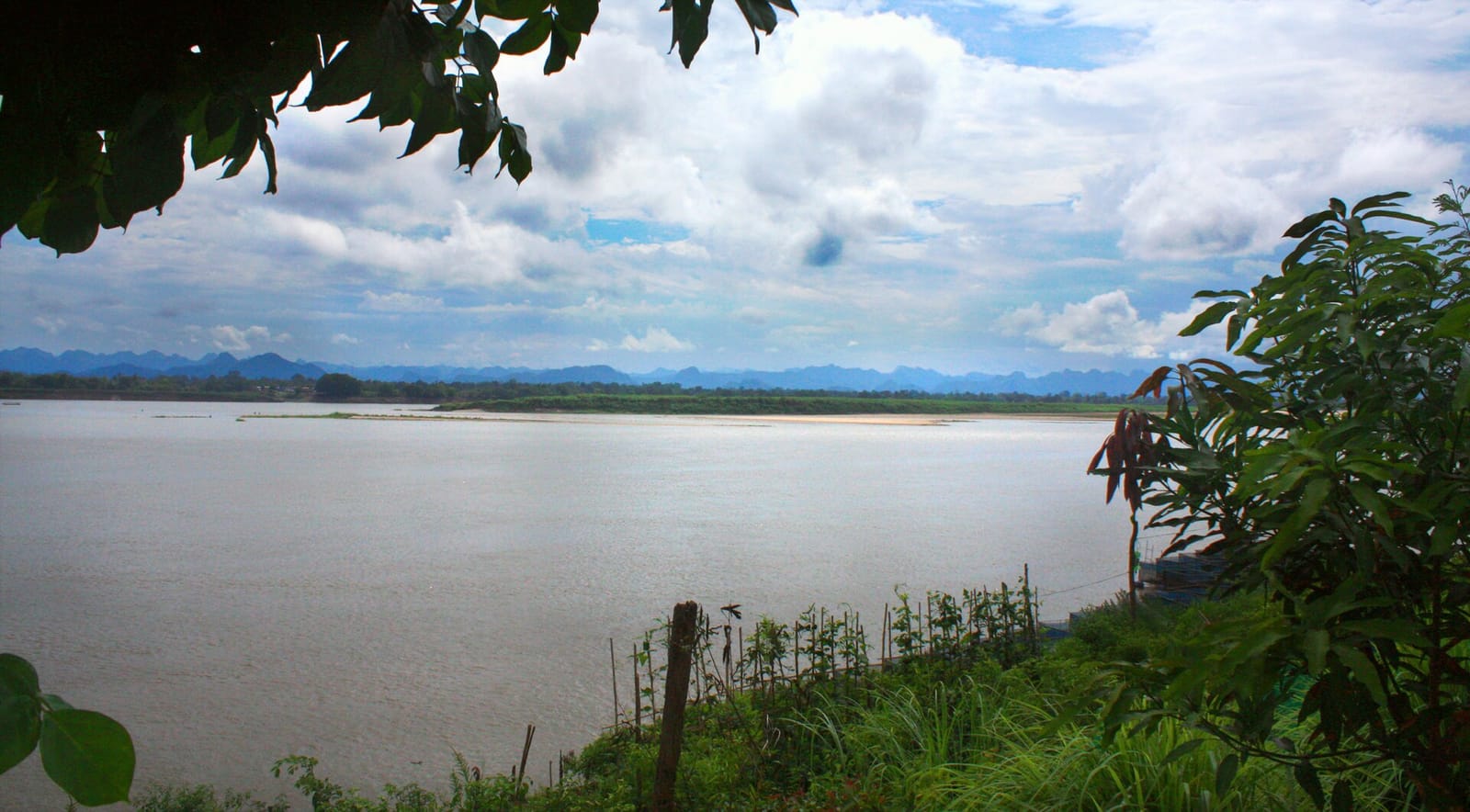
Nakhon Phanom faces east across the Mekong, toward the mountains of Laos' Khammouane province on the far bank — which gives it sunrises you rarely get in other Mekong towns. The main sights in town are close enough to walk between, but you'll need a vehicle to reach Phra That Phanom or Ban Na Chok. The mistakes people make most often: coming in the wrong season when the sky won't clear, or turning up for the Fire Boat Festival without booking a room well ahead. Know this in advance and your plan will fall into place.
When is the best time to visit Nakhon Phanom
Ask locals and the answer is cool season, November to February. The air is dry, the sky is clear, and the breeze off the Mekong is just cool enough. This is when the Mekong sunrise is at its best and hardest to miss, and walking around in the daytime isn't the ordeal it is in the hot season. March to May gets seriously hot with harsh midday sun, and June to October is the rainy season, when the sky is often cloudy or there's morning mist hiding the mountains — so on some days you won't see the clean, round sun you've seen in photos.
But if you want to catch the Fire Boat Festival, you have to come at the end of Buddhist Lent, around early to mid-October — which is still the tail end of the rainy season. So you trade a sky that might not be clear for the chance to see the town's biggest event of the year. If you're all about the sunrise and easy weather, pick the cool season. If you're coming for the fire boats, pick October and make your peace with the rain.
The golden hours each day
No matter which month you come, the best windows in Nakhon Phanom are early morning by the Mekong and late afternoon in soft light. Mornings give you the sunrise plus the local rhythm of monks collecting alms and people out exercising; late afternoons by the river have a cool breeze and are perfect for a stroll. The harsh midday sun is best dodged in a riverside cafe or by visiting temples indoors.
Watching the Mekong sunrise — what time and where to stand
This is the reason a lot of people come back to Nakhon Phanom. The most popular spot is the Phaya Sri Sattanakharat plaza, the golden seven-headed Naga statue on the riverfront in the middle of town. It's wide open with a full view of the Lao mountains, and you get the Naga in the foreground of your shot too. If it's crowded or you want it quieter, just walk a little way up or down the riverside path and you'll find the same open angle.
Timing depends on the season. In cool season the sun rises around 6:15–6:35 a.m., while from the rainy season into early hot season it comes up earlier, around 5:40–6:00 a.m. The simple rule: get there about 30 minutes before the actual sunrise, because the pre-dawn glow before the sun breaks the horizon is when the sky runs through its best colors. Show up after the sun has already cleared the mountains and you've missed the good part.
Straight talk
On some rainy-season days there's cloud or mist hiding the mountains, and you may not see the clean, round sun you've seen in other people's photos. If you've really come for that one shot, the cool season has clearer skies and is far harder to miss — and giving yourself two mornings is a surer bet than gambling on just one.
The end-of-Lent Fire Boat Festival — if you're set on this season
The Fire Boat Festival is Nakhon Phanom's biggest event, and the town hosts the largest fire boat procession in Thailand. The highlight is the night of the end of Buddhist Lent (the full moon of the 11th lunar month), when huge fire boats strung with tens of thousands of lights are floated down the middle of the Mekong. But the festival itself runs much longer — the most recent edition ran around 12 days and 12 nights, spanning late September to mid-October. The end-of-Lent date shifts every year with the lunar calendar, usually falling around early to mid-October.
Check the date before you book anything
Because the end-of-Lent date changes every year, check that year's date first, then aim for the full moon of the 11th lunar month as your main night. The full schedule is posted on the Nakhon Phanom Fire Boat (Lai Ruea Fai) page and on the ruafai.com site, both updated each year.
If you come during this period, there are three things to prepare for specifically.
- Book your room months ahead — the end-of-Lent night is when hotels in town fill up and prices spike the hardest all year. If you're thinking of going, book the moment you know the dates.
- Parking and shuttles — the riverside road closes and cars can't get in. The province sets up several parking lots with shuttle service to the riverfront, and some years you can check lot availability on the festival website.
- Get there before dark — hundreds of thousands of people stream in through the evening, and the big fire boats start launching after the sky is fully dark, around 7:00 p.m. Arrive late and a good spot is hard to find; when it ends, everyone pours out at once and traffic snarls up.
Weather by month — what to pack
Nakhon Phanom sits right on the Mekong, with temperatures running roughly 16–34°C across the year. The cool season really does get cold, especially by the river in the morning; hot-season midday sun is fierce; and the rainy season brings the heavy Isan rains. Here's the quick picture for each stretch.
- November–February (cool) — the best time. Clear skies, and mornings by the Mekong are colder than you'd expect, so bring a light jacket or layer. Daytime sun is pleasantly warm.
- March–May (hot) — harsh, hot midday sun; you won't last long out in the open. Bring a hat, sunglasses, sunscreen, and water, and plan your sightseeing for mornings and evenings.
- June–October (rainy) — it can rain any day, with cloud or mist common in the mornings. Pack an umbrella or rain jacket and shoes that aren't slippery when wet. October lines up exactly with the Fire Boat Festival.
The Mekong breeze, morning and evening
Even in the hot season, early mornings and evenings by the river are cooler than the rest of town. Keep a light layer on you and you'll stay comfortable walking the Mekong front at sunrise or browsing the walking street at night.
What to wear in Nakhon Phanom
Nakhon Phanom is a relaxed place — casual clothes are fine. Go for things that are comfortable to walk in and photograph well by the river. But two things are worth planning for: temple visits and the cool morning breeze, since most Nakhon Phanom trips include paying respects at Phra That Phanom or a temple in town.
- Visiting the stupa and temples — dress modestly, shoulders and knees covered, and skip spaghetti straps and shorts above the knee, especially at Phra That Phanom, a sacred stupa. Bringing your own light shawl is surer than relying on a borrowed one.
- Mornings by the Mekong — a light layer or thin jacket, especially in cool season; the river breeze is colder than you'd think.
- Daytime walking — breathable clothes, a hat, sunglasses, and shoes you can walk in for hours, since the in-town sights are all within walking distance.
- Photos — neutral tones work well against the golden Naga and the yellow Vietnamese clock tower. If you're into the spiritual side, wearing an auspicious color to pay respects to the Naga fits the theme.
How to get to Nakhon Phanom — flight, bus, or drive
Nakhon Phanom has its own airport, so it's easier to reach than many people think. Pick what fits your budget and time.
- Flying — the fastest option. Bangkok–Nakhon Phanom takes a little over an hour, with several airlines flying the route. Off-peak fares start from the high hundreds to low thousands of THB each way if you book ahead. The airport is about 15 km from town; take a taxi or rental car in.
- Bus — Bangkok–Nakhon Phanom runs mostly overnight and takes around 11–12 hours. Tickets start from around 700-plus THB depending on the class of coach. Cheap, and it doesn't cost you a day of your trip.
- Self-drive — about 730 km from Bangkok, roughly 9–10 hours. Good if you plan to explore the wider province and head out of town to Phra That Phanom, Renu Nakhon, or Tha Uthen.
Getting around in town
The riverside sights in town are all within walking distance — Phaya Sri Sattanakharat, the Vietnamese clock tower, the walking street. But for Phra That Phanom (about 50 km away), Ban Na Chok, or Renu Nakhon, you'll want a vehicle. You can rent a car or motorbike in town. Always agree on the price before getting into any hired vehicle.
Rough daily budget
Nakhon Phanom can be done cheaply — food isn't expensive, and most of the riverside sights are free. Your main costs are getting here and your room. Here are rough per-person, per-day figures, not counting the ticket to reach Nakhon Phanom.
- Accommodation — guesthouses and small in-town hotels start around 400–700 THB/night · riverside hotels with a Mekong view run around 800–1,500 THB and up (prices rise and rooms fill fast during the Fire Boat Festival).
- Food — Vietnamese breakfast / rice-noodle soup at 40–70 THB a plate · a sit-down meal around 100–200 THB · riverside coffee 50–90 THB.
- Sightseeing in town — the riverfront, Phaya Sri Sattanakharat, and the clock tower are all free to walk around; most temples have no entry fee or just a small donation.
- Getting around town — motorbike rental around 200–300 THB/day · a hired ride in town runs in the low hundreds.
- Budget total — sightseeing in town on a budget runs around 600–1,200 THB/day/person, not counting your travel to get here or your room.
SIM, data, and other odds and ends
Mobile coverage is good across Nakhon Phanom town, and Thai travelers can use their usual SIM as normal. Foreign visitors can buy a tourist SIM at convenience stores in town; a weekly data package costs in the low hundreds of THB and easily covers navigation, booking rides, and paying for things.
- Cash — breakfast spots, riverside stalls, and souvenir shops mostly take cash, so carry small bills.
- PromptPay / scan-to-pay — many shops and cafes in town accept QR payment, but small stalls still lean on cash.
- ATMs — there are ATMs in town and at the mall, but if you're heading out to Phra That Phanom or staying out of town for a while, withdraw extra first.
- Passport — if you plan to cross the Third Friendship Bridge to the Lao side, you'll need your passport and should check the visa and border requirements first.
A quick prep list before you go
Come in cool season for the sunrise and good weather; come in October for the fire boats and book your room well ahead. Pack a layer for the Mekong breeze, a shawl for temple visits, cash for the breakfast spots, and be ready to wake up early — because the best of this town happens at first light.
All set? See the full guide to where to stay and what to do in Nakhon Phanom
See the Nakhon Phanom travel guide →