🔄 Updated 21 Jun 2026
Before the details, here's the quick picture. Nakhon Sawan sits halfway between central Thailand and the north, about 240 km from Bangkok. The main town is known as "Pak Nam Pho," an old Chinatown along the river. Most of the sights cluster within a few kilometres of each other, just a 5–15 minute drive apart. It works both as a stopover on the way north and as a full 1–2 day trip in its own right.
Where Nakhon Sawan Is and What Kind of Trip It Suits
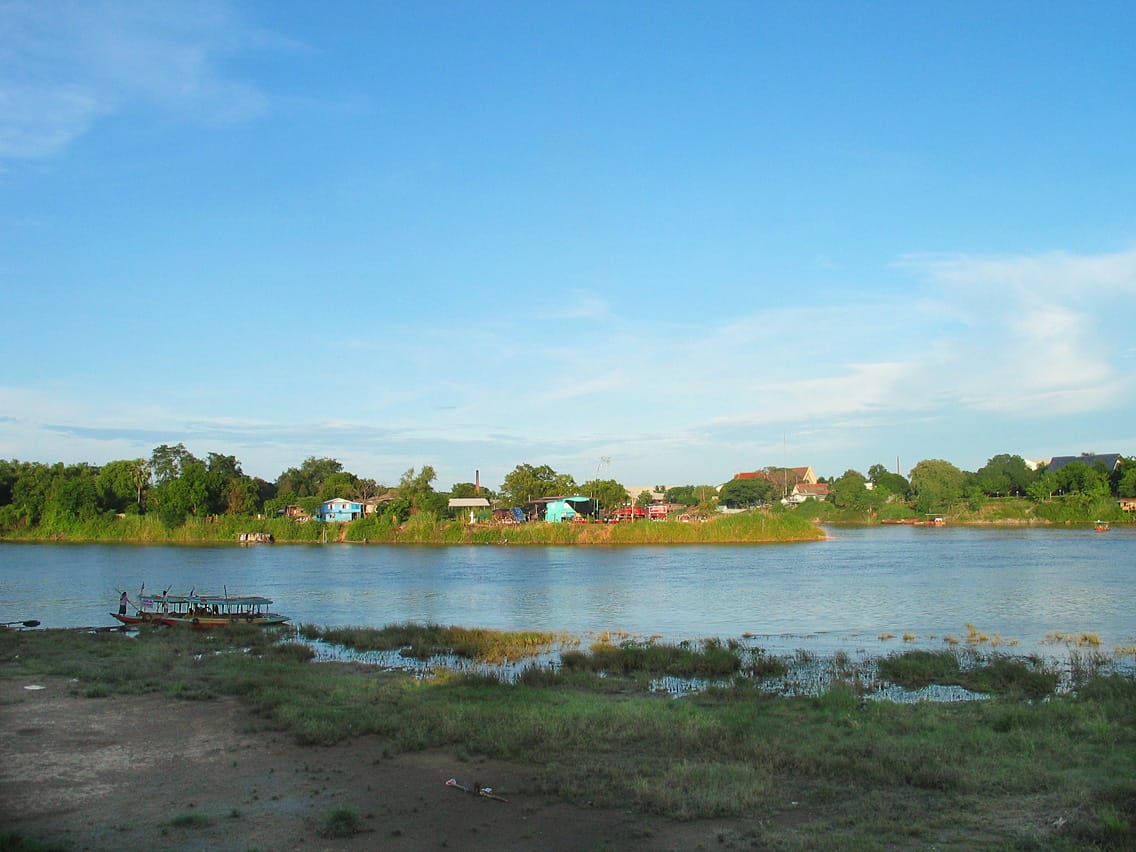
Nakhon Sawan is the gateway to the north, and people usually remember it as the spot where the Ping and Nan rivers meet to become the source of the Chao Phraya. The town splits simply into two zones: the Pak Nam Pho side, which is the old quarter of markets, food, and Chinese shrines, and the surrounding area with Uthayan Sawan park, Khao Kop hill, and Bueng Boraphet lake outside town. For a first visit, focus on the in-town sights first, then add Bueng Boraphet if you have time.
- Pak Nam Pho zone — the old Chinatown along the Chao Phraya: markets, food, shrines, and Pa San at the river's source. Easy to walk and eat all day.
- Town-centre zone — Khao Kop hill and Wat Khiriwong for views, plus the big Uthayan Sawan park in the middle of town, all just a few kilometres from Pak Nam Pho.
- Out-of-town zone — Bueng Boraphet, Thailand's largest freshwater lake: birdwatching, boat rides, and sunsets, east of town.
Book the activities in your Nakhon Sawan trip ahead
Booking online ahead on Klook or GetYourGuide is usually cheaper than the gate and skips the queue. Pick only the experiences you actually want — prices and availability are shown live on each site.
Getting to Nakhon Sawan
Nakhon Sawan has no commercial airport, so most people arrive by car, bus, or train. It's about 240 km from Bangkok, roughly 3–4 hours if you drive, and a bit longer by public transport.
- Own car — from Bangkok take Highway 32 (the Asia Highway), about 3–4 hours. The most flexible option for getting around town since the sights are spread out.
- Bus / van — several departures daily from Mo Chit, roughly 4–5 hours, fares starting around 220–350 THB depending on the bus type. You'll arrive at Nakhon Sawan bus terminal.
- Train — the Northern Line passes through Nakhon Sawan; get off at Pak Nam Pho station in the centre of town. It takes about 5–6 hours, with tickets starting at just over 100 THB. Good if you enjoy the rail experience.
- As a stopover — if you're driving up to Chiang Mai or Chiang Rai, Nakhon Sawan sits right at the halfway point — an easy place to break for lunch or stay the night.
Getting around town
Public transport within Nakhon Sawan is limited. If you arrive without a car, check ride-hailing apps or arrange a private car ahead of time. Driving your own car or renting a motorbike is the smoothest way to get around, since all the main sights have parking.
When to Visit and What the Weather's Like
Nakhon Sawan is in the upper central plains, with the usual hot, humid climate. The most comfortable time to visit is the cool season from late in the year into early the next — clear skies that are perfect for climbing Khao Kop for the views and watching birds at Bueng Boraphet. The town gets especially lively at Chinese New Year, when Pak Nam Pho holds its famous dragon parade.
- Nov–Feb (cool) — the best window: cool, comfortable, clear skies, sharp views from Khao Kop. This is the town's high season.
- Chinese New Year (Jan–Feb) — the Pak Nam Pho deity procession with golden dragons and lion dances; the town is at its busiest all year, so book accommodation ahead.
- Mar–May (hot) — strong sun. Do outdoor sights in the morning and evening, and duck into a café or the shady Uthayan Sawan park midday.
- Jun–Oct (rainy) — showers come and go, the greenery is lush and good for nature, so pack an umbrella and check the forecast before heading up the hill.
5 Spots First-Timers Shouldn't Miss
Short on time? Start with these five. They cover river views, town views, a park, a temple, and food — listed in an order you can visit one after another around town.
Pa San, Source of the Chao Phraya
The landmark structure at the tip of Ko Yom marking the start of the Chao Phraya, where the Ping and Nan meet. Open daily 6am–8pm, free entry, lovely both morning and evening.
Khao Kop – Wat Khiriwong
A hilltop temple in the middle of town with the golden Phra Chulamani Chedi and a 360-degree viewpoint over the whole city. Drive up or climb the 400-plus steps.
Uthayan Sawan Park
A 314-rai public park in the centre of town with a lake and a heavenly-dragon landmark. Plenty of shade — a good spot to relax in the afternoon.
Pak Nam Pho Quarter
The old Chinatown along the Chao Phraya: markets, food, and shrines. Eat your way from morning duck rice and dim sum to noodles and mochi to take home.
Bueng Boraphet
Thailand's largest freshwater lake, east of town. Watch water birds, take a boat ride, and catch the sunset — best in the cool season.
Food You Have to Try in Pak Nam Pho
Pak Nam Pho is a Chinatown where you can eat from morning till late. Its strengths are old-school Chinese cooking, pork-bone broth noodles, and takeaway treats like mochi. These are the dishes locals think of first, listed by the time of day people actually eat them.
Roast Duck Rice, Old Pak Nam Pho Shop
A long-running Chinese eatery with tender duck and crisp skin — roast duck over rice, stewed duck noodles, and red pork rice. A popular local breakfast.
Pork-Bone Broth Noodles
Rich, aromatic broth with chewy noodles, available clear, tom yum, or yen ta fo, with house-made fishballs. A dish Nakhon Sawan locals are hooked on.
Kuay Teow Pak Mor (Steamed Rice Rolls)
A local breakfast dish — thin steamed rice sheets wrapped around a filling and topped with sauce. Found around the markets and morning shops in town, and something many people seek out when they come to Pak Nam Pho.
Dim Sum & Old-Style Coffee
Traditional Chinese morning shops with steamed dim sum and bao buns alongside black iced coffee, in a Chinatown-in-Thailand atmosphere. Open very early.
Nakhon Sawan Mochi
Soft mochi with a range of fillings, both sweet and savoury. A signature local souvenir that's been made here for decades, with plenty of flavours to choose from.
Municipal Market Souvenirs
Clown-fish fishballs, mu yo (Vietnamese-style pork sausage), pickled fish, and local dried goods, all around Nakhon Sawan's municipal market. Good to grab on the way home at the end of the trip.
Eating smart
Many morning shops in Pak Nam Pho close before noon, so if you're set on a famous one for breakfast, go before 9 or 10am. As for mochi, buy it near the end of your trip — it doesn't keep long and is best eaten within a few days.
Sample 1-Day Plan: Around Town
With just one day, focus on the in-town spots that are close together. Start early while it's still cool and work your way to the riverside by evening. This route lines the stops up so you never have to backtrack.
Morning River – Late-Morning Hill – Afternoon Park – Evening Food
Sample 2-Day, 1-Night Plan: Add Nature
If you have a night to spare, do it like this. Cover the in-town spots on day one, then head out of town to Bueng Boraphet for birds and nature in the morning of day two, and finish with lunch and souvenirs before you leave.
Around Town – Stay by the River
Bueng Boraphet – Souvenirs
On accommodation
Most places to stay in Nakhon Sawan are in central Pak Nam Pho, from budget-friendly town hotels to riverside resorts. It gets crowded around Chinese New Year, so book ahead then. On ordinary weekdays, finding a room is easy.
Little Things Worth Knowing
- Budget — getting around town doesn't cost much. Many of the main sights are free, food is at local prices, and a day trip is easily doable on a few hundred baht.
- Dress — Khao Kop – Wat Khiriwong is a temple, so dress modestly and wear comfortable shoes for walking, as there are steps.
- Cash — many morning shops and old market stalls take mainly cash, so keep some on you.
- Opening hours — a lot of the old Chinese eateries open early and close before noon, so plan your breakfast well to catch them all.
- Allow time on the way north — if you're using Nakhon Sawan as a stopover, half a day is enough to hit the town's highlights.
Want the full Nakhon Sawan travel guide?
See the Nakhon Sawan travel guide →