🔄 Updated 21 Jun 2026
Plenty of Isan towns have a lake in the centre where people come to relax, but Nong Bua Lamphu's is special because this lake is literally where the province got its name. Locals just call it Nong Bua; the official signs read Nong Bua Public Park. It's right in front of the district office, an easy walk from the provincial hall or the town market. If you're staying in town you barely need a vehicle — you can just walk over.
The appeal here isn't grandeur, it's everyday local life. In the morning people come to run; in the evening families bring the kids, couples sit by the water, people pay respects at the shrine and then walk the market for something to eat. If you want to see how people in Nong Bua Lamphu actually live, sit here for an hour and you'll get it.
The lake that gave the province its name
The name Nong Bua Lamphu has been tied to this lake from the start. The town's old, longer name was Nakhon Khuean Khan Kap Kaeo Bua Ban, from the legend of Phra Wo and Phra Ta who founded it. The 'Nong Bua' part — meaning 'lotus lake' — comes from this very stretch of water where lotuses grow. Ask anyone local about where the province's name comes from and they'll point here first.
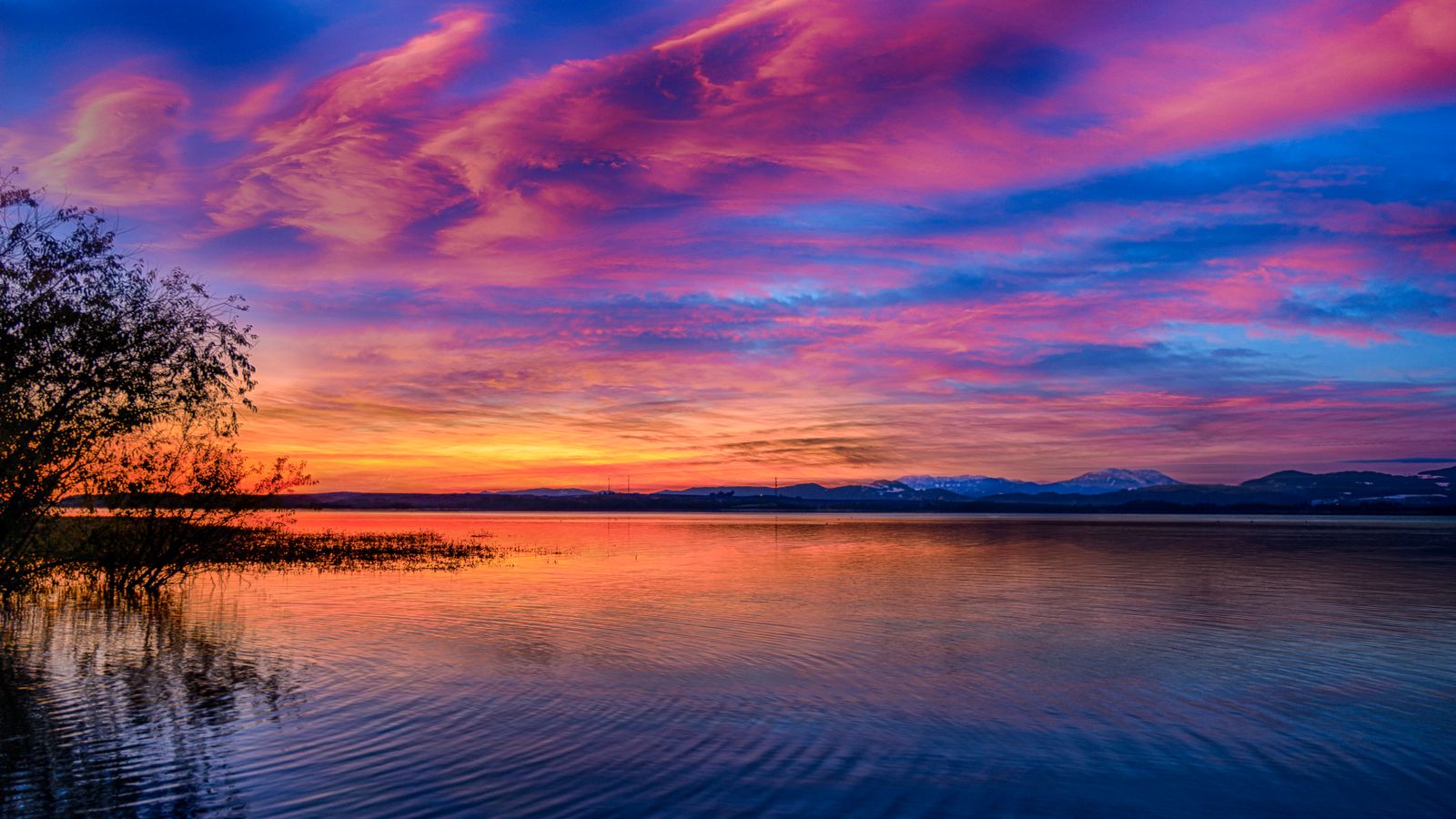
The lake itself is a large natural body of water that stays full all year. The surrounds have been turned into a public park with a loop trail, big shade trees, and — the key detail — the Phu Phan Kham range stretching across the far side. That backdrop is what turns an ordinary town lake into a genuinely photogenic view, especially late in the day when the light starts to soften.
When it looks best
Late rainy season into early cool season (November–January) — comfortable temperatures, the lake full, clear skies, good for both a morning run and an evening sit. In the hot season the sun is brutal, so come before 7am or after 5pm.
Want more out of Nong Bua Lamphu? Book tours & activities
Booking online ahead on Klook or GetYourGuide is usually cheaper than the gate and skips the queue. Pick only the experiences you actually want — prices and availability are shown live on each site.
Walking and running the loop
The heart of Nong Bua is the loop trail that locals actually use every single day. It's a flat path that wraps around the lake, roughly 2 km per lap, easy to walk or run. The surface is smooth, there are lights for the evening, and there are spots to stop and rest along the way. If you like counting distance, 2–3 laps gives you a decent workout.
- Morning (around 6–8am) — runners, brisk walkers and aerobics groups while it's still cool. This is the busiest, liveliest stretch of the day.
- Evening (around 5pm to dusk) — people exercising after work, kids out playing, couples by the water, then a walk through the market for food.
- Playground — there's play equipment for kids, and plenty of parents bring their children to run around in the evening.
- Paddle boats — at times you can rent paddle boats to pedal around the lake, good fun for families or couples.
Make the run easy on yourself
Bring your own water — there isn't a convenience store on every corner of the loop. Trainers are all you need, nothing special. If you come in the evening and want a meal afterwards, the shrine side already has a market, so you don't need to drive anywhere.
King Naresuan Shrine by the water
On the lakeside in front of the district office stands the King Naresuan the Great Shrine, a cluster of Thai-style pavilions by the water that locals hold in high regard. The story behind it: King Naresuan once camped at Nong Bua Lamphu in 1574 (BE 2117), putting the town into the history books, and the shrine was built to honour him.
Most people passing through stop to pay their respects first, then carry on with a stroll around the lake — it ties belief, history and a place to relax together in one spot. Every year between 25 January and 3 February the province holds a worship ceremony and celebrations here, so if you come around then you'll find an especially lively town-festival atmosphere.
Visiting the shrine respectfully
Dress on the modest side, and remove your shoes where indicated. This is a place locals revere — photos are fine, but keep your manners in check.
Evening market and lakeside food
In front of the shrine there's a night market where you can hunt for food in the evening after your run. It's a genuine local market, not a tourist one. All the Isan home-style dishes are here — som tam, grilled chicken, sticky rice, larb, nam tok, fried snacks, sweets — at local prices, just a few tens of baht a plate. Easy to grab some and sit by the lake to eat.
If you'd rather sit down at a proper restaurant, town has a well-known som tam spot, Som Tam Bun Rod, that a lot of people drop into when they visit. Proper, punchy Isan-style som tam — it pairs nicely with an evening sitting by Nong Bua.
Night market by the shrine
Hunt for home-style Isan food in the evening — som tam, grilled chicken, fried snacks at local prices. Grab some and eat by the lake.
Som Tam Bun Rod
A well-known som tam spot in town with punchy Isan-style flavours. Stop in before or after your walk around the lake.
Sitting back for the sunset
Nong Bua is at its best in the evening as the sun nears the horizon — the light softens, the water reflects it, and the Phu Phan Kham range sits as a backdrop. A lot of locals choose to sit here by the water instead of a café, because you get the open air, a cool breeze, and it costs nothing. Find a spot facing the lake and just wait for the evening light.
- Photo spot — point your camera toward the lake to get Phu Phan Kham and the water in one frame, best in the evening light.
- Chilling out — bring a mat or use the benches around the lake, and pick up food from the market to eat there.
- End-of-day run — plenty of people run the loop once the sun is low and finish right as it sets.
Give yourself time
In Isan the cool-season sunset is around 6pm; in the hot season it shifts to nearly 7pm. Arrive about half an hour early so you can find a spot and watch the light change colour without rushing.
Getting there and parking
Nong Bua is in the centre of Nong Bua Lamphu, in front of the district office. If you're staying in town you can walk over. Driving in, there's roadside parking around the lake and a lot in front of the shrine; on weekday evenings it isn't too crowded, so finding a spot is easy. Coming from Udon Thani, it's a little over an hour's drive along the highway into Nong Bua Lamphu.
- From town — a few minutes on foot or by motorbike, it's right in the centre.
- From Udon Thani — about an hour and a bit by car along Highway 210.
- Free entry — it's a public park, no admission, open for use morning and evening.
See all of Nong Bua Lamphu — the lake, the temples and Isan food
See the Nong Bua Lamphu travel guide →