🔄 Updated 21 Jun 2026
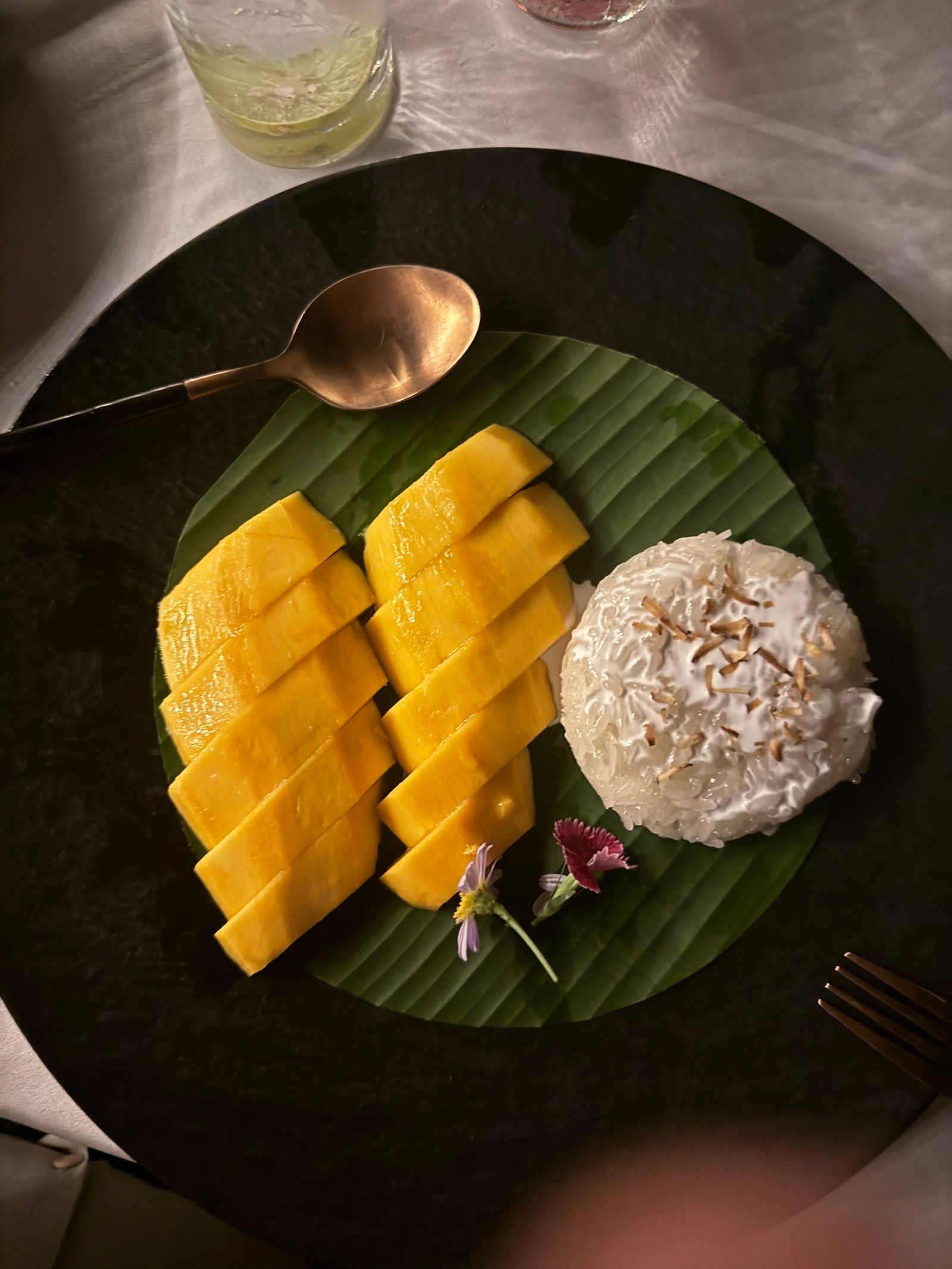
Isan desserts aren't built on rich, super-sweet coconut milk the way Central Thai sweets often are. Most start from sticky rice, coconut, and palm sugar, with a mild sweetness that goes down easily with black coffee or a cold drink. In Nong Bua Lamphu these still sell the homespun way — wrapped in banana leaf, bagged up, priced in single-digit baht, and often sold out early at the morning market. We've picked out both the things you can find any day and the ones that only come out around merit-making festivals.
Local sweets worth trying
Khao tom mat (banana sticky rice parcels)
Coconut-soaked sticky rice wrapped in banana leaf around a filling of namwa banana or black bean, tied in pairs and steamed until fragrant. Isan families make these on ordinary days and at merit-making events alike, and in Nong Bua Lamphu you'll find them at nearly every morning market. Pick a parcel where the banana is ripe but not mushy — it'll be naturally sweet without much added sugar.
Miang kham lamphu
The province's signature bite, which Nong Bua Lamphu promotes as its own local specialty. The twist is that it's wrapped in a lotus petal instead of the usual wild betel leaf, then filled with Isan-style miang ingredients — lime, tamarind, fermented-fish sauce, and miang leaves — for a single mouthful that's sour, salty, sweet, and spicy all at once. It's more of a savoury snack than a true dessert, but the flavour sticks with you and you won't find it elsewhere.
Khao tom hua ngok
A close cousin of khao tom mat: steamed sticky rice tossed with white grated coconut until it looks like a head of grey hair (hua ngok), then dusted with sugar. The flavour is rich from the fresh coconut and never cloying. Older locals love it because it's considered an auspicious sweet tied to longevity. Look for it on the dessert stalls at the morning market.
Khao pong
An old Isan sweet made from pounded sticky rice spread into a large round sheet, then grilled over flame until it puffs up crisp and dusted with sugarcane syrup or sugar. It's a crunchy, rice-scented snack that once took the whole household to make together. These days it's getting harder to find, but you can still spot it at weekend markets and souvenir shops around the province.
Khao niao wan / sweet sticky rice with assorted toppings
Coconut-soaked sticky rice topped with custard, dried shrimp, or various sweet coloured layers, sold by the box at the morning dessert stalls. It's just filling enough for a light breakfast, easy on the wallet, and something locals buy as a matter of routine.
Khanom tian / banana-leaf filled dumplings
Steamed sticky-rice-flour dumplings filled with sweet mung bean or coconut, folded into banana-leaf triangles. They turn up most around merit-making events and festivals, though some vendors make them year-round. Chewy and soft with a rich, fragrant filling, they're the kind of sweet that brings temple fairs to mind.
Khanom tan / khanom kluai
Soft steamed cakes made from ripe sugar-palm fruit or namwa banana, topped with grated coconut, lightly sweet and fragrant. They're an afternoon snack you'll find on the dessert stalls at the market — cheap and a good match for coffee.
Bua loi / coconut-milk sweets at the walking street
In the evening, the walking street has stalls of coconut-milk sweets — bua loi, lod chong, sago — served warm or over ice. They make a good way to close out dinner after grazing on the savoury food.
Quick tip
These handmade desserts are made fresh in the morning and often sell out before noon. If you want hot khao tom mat or warm sweet sticky rice, get to the morning market before 8am. The coconut-milk sweets and warm snacks, on the other hand, are easier to find in the evening at the walking street.
Want to taste deeper? Try a Nong Bua Lamphu food tour or cooking class
Half a day with a local who knows the lanes — or cooking a dish yourself — teaches you more than just eating. Book ahead on Klook or GetYourGuide.
Where to buy them in Nong Bua Lamphu
Nong Bua Lamphu is a small town, so the local desserts cluster in just a handful of fresh markets and day markets — there's no separate dessert district the way bigger cities have. Your best bet is to walk the morning market looking for the handmade-sweet stalls, then hit the walking street when it's open.
Nong Bua Lamphu Municipal Fresh Market
The central morning market, with stalls selling local sweets — khao tom mat, sweet sticky rice, banana-leaf desserts. Go early and you'll get them fresh with plenty to choose from.
Nong Bua Lamphu Walking Street
The province's walking street runs on Monday evenings, with both savoury and sweet food, including coconut-milk desserts and warm snacks. An easy place to wander and graze.
Huai Duea Market
A community market outside town known for wild-foraged food and country fare. At times you'll find handmade Isan sweets and harder-to-find snacks here — good for anyone who wants to see what locals really eat.
Thai dessert shops in town
There are several handmade Thai-dessert makers in town, including groups that take orders for merit-making sweets. Worth it if you want a set of banana-leaf desserts or something to take home as a gift.
How Isan desserts differ from Central Thai sweets
- Built on sticky rice — most sweets start from sticky rice, whether steamed, pounded, or coconut-soaked, unlike Central Thai sweets that lean on flour and eggs.
- Less sweet, rich from coconut — the sweetness is mild, with richness coming from grated coconut and fresh coconut milk, so you can keep eating without it feeling cloying.
- Tied to merit-making — many sweets are made for merit-making events and festivals, like khao tom mat and khanom tian, so they carry a sense of good fortune.
- Banana-leaf wrapped, eaten fresh — these are handmade and wrapped in banana leaf with no preservatives, so they're best eaten the same day.
Buying gifts to take home
If you want to bring some home, go for the longer-keeping options like khao pong or baked sticky rice. Khao tom mat and banana-leaf desserts are best eaten within a day since they have no preservatives.
Plan a full day of eating and exploring in Nong Bua Lamphu
See the Nong Bua Lamphu travel guide →