Home Destinations Nong Bua Lamphu 🧭 Plan Your Trip 🔎 Search About
HomeThailandNong Bua LamphuA Photographer's Plan for Nong Bua Lamphu Great Shots in 2 Days
📸 Nong Bua Lamphu Itinerary

A Photographer's Plan for Nong Bua Lamphu
Great Shots in 2 Days

Nong Bua Lamphu is a small town most people just drive straight through. But if you're into photography, it has spots that actually tell a story — from the lake view above the dam at Phu Phan Kham, to the glassy stillness of a reservoir at dawn, to rock paintings several thousand years old on the cave walls at Phu Pha Ya, all the way to Nong Bua Park downtown at sunset. We've laid it out as a 2-day, 1-night plan, timing each stop to its best light so you can shoot once and get the frame you wanted, without standing around waiting for light that never comes.

📸 Timed around the light🏞️ Dam + reservoir views🎨 Ancient rock paintings
A Photographer's Plan for Nong Bua Lamphu Great Shots in 2 Days

🔄 Updated 21 Jun 2026

Before we start, let's be straight: Nong Bua Lamphu is a small town and the photo spots are scattered in different directions. Some are in town, others mean driving out toward Non Sang or Na Wang. Driving yourself is by far the easiest option, because public transport barely reaches these places. We've ordered this plan by direction and light, not by fame, so you can do one loop and be done instead of doubling back.

Why Nong Bua Lamphu Works for Photographers

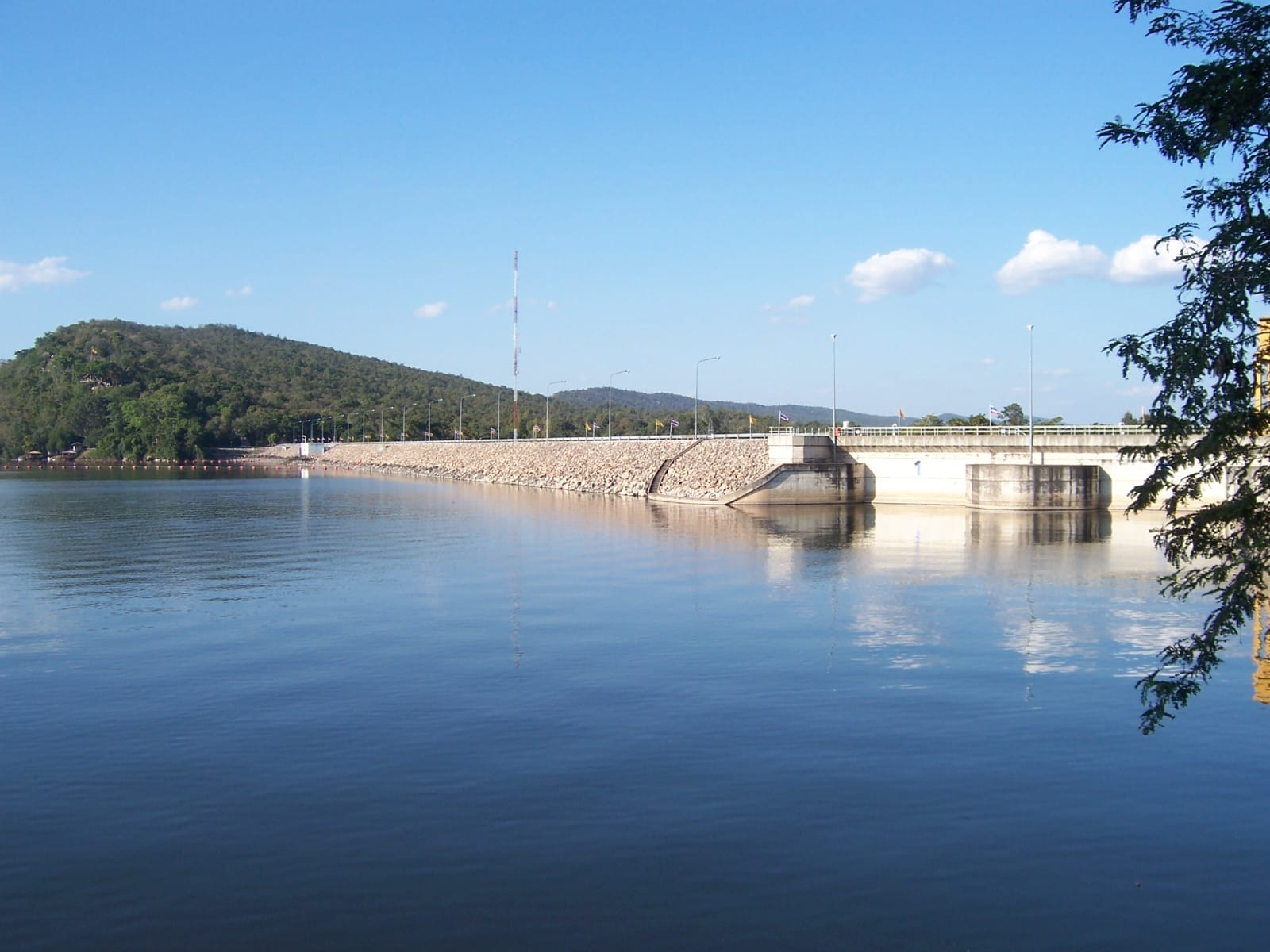
The upside of a town the crowds haven't found yet is that most angles still have nobody blocking your frame. The Ubol Ratana Dam reservoir, seen from the Phu Phan Kham side, is so wide it looks like a sea. The paintings at Phu Pha Ya are the real thing, 2,000–3,000 years old, not modern reproductions. And Nong Bua Park downtown has the King Naresuan shrine and a lake where you can catch a relaxed sunset. The best part is the variety in a single trip — mountain views, water, history, and Thai architecture all in one.

  • Lake views — Phu Phan Kham looks down over Ubol Ratana Dam, water stretching to the horizon, perfect for wide landscape shots
  • Mirror-still water — at the reservoir in the morning, before the wind picks up, the surface is glassy and you can shoot reflections
  • Storytelling content — the ancient rock paintings at Phu Pha Ya; photos with a story behind them tend to get more engagement than plain scenery
  • Golden hour in town — Nong Bua Park sits right downtown, so you can shoot in the evening on foot without a long drive

What to Know About the Light

Phu Phan Kham and the reservoir face the right way for soft evening light, while the rock paintings are inside a cave and stay dim all day — bring a tripod or brace against the wall to avoid blur. That's why this plan puts the rock art in the late morning and saves the water views for dawn and dusk.

🎟️

Book the activities in your Nong Bua Lamphu trip ahead

Booking online ahead on Klook or GetYourGuide is usually cheaper than the gate and skips the queue. Pick only the experiences you actually want — prices and availability are shown live on each site.

🎟️ See all Nong Bua Lamphu tours & activities (Klook)

The 2-Day, 1-Night Plan — Timed Around the Light

Day 1

Phu Phan Kham + Reservoir + Nong Bua Park at Dusk

06:30
Head up Phu Phan Kham for the view over Ubol Ratana DamPhu Phan Kham is the ridge on the Nong Bua Lamphu side that looks down over the dam's reservoir. Come early and a thin mist still drifts over the water, giving you soft frames before the sun gets harsh.
08:00
Go up the Phu Aen Skywalk for the glass-floor shots over the lakeThe skywalk juts out over the Ubol Ratana reservoir. Entry is around 60 THB (includes the shuttle and shoe covers) and it's open roughly 06:00–18:30. Come early while it's still quiet and you'll have the glass floor to yourself.
09:30
Find breakfast in town and refuel before the next legAround Non Sang or back in town you'll find simple breakfast spots — khao jee (grilled sticky rice), khao piak, old-style coffee. Grab a few shots of your Isan breakfast while you're at it.
11:00
Stop at Huai Nam Bong / Huai Pha Wang reservoir for the wide waterHuai Nam Bong reservoir is over near Non Sang, while Huai Pha Wang is out toward Na Wang. Both have mountains ringing the water — just pick whichever is closer to your route. Midday sun is harsh, so shoot high-contrast or look for a shaded angle.
13:00
Break for lunch and duck out of the harsh lightFrom noon to about 2pm the light is at its hardest and views don't photograph well. Use this time to eat and rest in the air-con while you wait for the light to soften.
16:30
Head into Nong Bua Park and walk around the lakeNong Bua Park is right downtown, with a walking loop around the lake about 1.5 km long. It's where locals come to exercise and watch the sunset.
17:30
Shoot the King Naresuan shrine during golden hourThe King Naresuan the Great shrine is a cluster of Thai-style pavilions in Nong Bua Park, much revered by locals. The evening light warms the roofs and finials. Shoot respectfully and honor the sacred site.
18:30
Find dinner in townHead back into town for Isan food — grilled fish, som tam, or moo kratha hot-pot. An easy way to close out the first day.
Day 2

Phu Pha Ya Rock Art + a Temple Stop Before Heading Back

08:00
Set off for the Phu Pha Ya archaeological site in Dong MafaiPhu Pha Ya is a limestone hill that splits off from the Phu Phan range, and the way up runs through forest. Leave a bit early to beat the heat and give yourself time to walk.
09:30
Hike up to see the paintings in the lower and upper cavesThe lower cave has a group of red paintings along a flat wall about 5 meters long — geometric patterns, animal figures, and handprints. The upper cave has diamond shapes, human figures, and the outline of a large animal. They're thought to be 2,000–3,000 years old.
10:30
Photograph the rock art properly — do not touch the wallIt's dim in the cave, so push your ISO or brace against the wall to avoid blur. Don't fire flash straight at the paintings and never touch them — they're ancient and fragile. There's a monastic dwelling here that locals respect, so dress modestly.
12:00
Come down from Phu Pha Ya and find lunchThere aren't many places to eat around Dong Mafai or on the way back to town, so pack some water and snacks in the car just in case.
13:30
Stop at Wat Phra Bat Phu Phan Kham or Wat Tham Klong Phen (whichever fits your route)If you've still got the energy and time, stop at one temple for some architecture and atmosphere before you go. A quiet way to wrap up the trip.
15:00
Head homeNong Bua Lamphu is close to Udon Thani and Khon Kaen, so you can roll straight into a neighboring province if you want to extend the trip. It's an easy, short drive.

The Photo Spots You Shouldn't Miss

1

Phu Phan Kham — Lake View Above Ubol Ratana Dam

Dawn / dusk · wide views

The ridge on the Nong Bua Lamphu side that looks down over Ubol Ratana Dam, the water so wide it feels like an inland sea. Wide landscape shots have far more mood at dawn or dusk than at midday.

Water viewsCome early
2

Phu Aen Skywalk

Entry ~฿60 · 06:00–18:30

A glass walkway jutting out over the Ubol Ratana reservoir; shoot the glass-floor angle with the water below. Entry around 60 THB including the shuttle, open roughly 06:00–18:30.

Glass floorCheck-in spot
3

Phu Pha Ya Rock Art Archaeological Site

Dong Mafai · dim inside the cave

Red paintings on the cave wall, roughly 2,000–3,000 years old, with geometric patterns, human figures, animals, and handprints. The kind of shot that tells a story when you post it.

HistoryTells a story
4

Nong Bua Park + King Naresuan the Great Shrine

Downtown · evening

A downtown lake with a cluster of Thai-style pavilions and a walking loop about 1.5 km around the water. It's the locals' sunset spot, so you can shoot golden hour without a long drive.

Golden hourThai architecture
5

Huai Pha Wang Reservoir (Na Wang District)

Na Wang district · morning/evening

A large reservoir ringed by mountains, quiet and lightly visited — good for mirror-still reflections in the morning or mountain-and-water views in the evening.

Still waterFew people
6

Huai Nam Bong Reservoir (Non Sang District)

Non Sang district · on the way

A reservoir around Non Sang, right on the route to Phu Phan Kham. Stop for the wide stretch of water along the way without going out of your way.

Roadside stopWater views

Tips for Getting Good Shots

  • Check the light — water views look best just after sunrise and before sunset; avoid midday when the light is harsh and hot
  • Pack a small tripod — the Phu Pha Ya cave is dim, and a tripod keeps your shots sharp and lets you catch reflections on the reservoir
  • Respect the sites — don't touch the rock paintings or fire flash straight at them, and treat the King Naresuan shrine as sacred — dress and behave accordingly
  • Allow extra travel time — the spots are spread across different districts and some roads run through hills, so pad your time and fill up on fuel before leaving town

Best Season to Visit

Late rainy into the cool season (October–January) brings cooler air, clear skies, and full reservoirs — the best time for water and sky. In the hot season the water drops and the sun is harsh, so if you come then, really lean into mornings and evenings.

Want a different Nong Bua Lamphu itinerary and places to stay in town?

See the Nong Bua Lamphu travel guide →

FAQ

What photo spots in Nong Bua Lamphu look good on social?

The standouts are Phu Phan Kham with its view over the Ubol Ratana Dam reservoir, the glass-floored Phu Aen Skywalk, the ancient Phu Pha Ya rock paintings (2,000–3,000 years old), the Huai Pha Wang and Huai Nam Bong reservoirs, and Nong Bua Park with the King Naresuan shrine downtown for sunset shots.

How much is the Phu Aen Skywalk and what are its hours?

Entry is around 60 THB per person, which already includes the shuttle and shoe covers. It's open daily, roughly 06:00–18:30. Go in the morning or evening for better light and fewer people than midday, and double-check the latest opening hours before you head out.

Where is the Phu Pha Ya rock art, and can you take photos?

It's at the Phu Pha Ya archaeological site in Dong Mafai subdistrict — a limestone hill you hike up to see the paintings on the cave walls. You can take photos, but don't touch the art or fire flash directly at it, since these are fragile ancient paintings. It's dim inside the cave, so bring a tripod or a camera that handles low light.

What time of year is best for photography in Nong Bua Lamphu?

Late rainy into the cool season, roughly October to January, is best — cooler air, clear skies, and full reservoirs make the water and sky look great. In the hot season the water is lower and the sun harsh, so if you come then, focus on shooting at dawn and in the evening.

Do you need your own car for a photography trip in Nong Bua Lamphu?

You really should. The photo spots are scattered across different districts — Non Sang, Na Wang, and Dong Mafai — and public transport barely reaches them. Driving yourself or renting a car is by far the easiest option, and it makes it much simpler to time each stop to the light.

Copyright & Image Takedown Policy

Thailandaddict is created to review and share travel experiences. Where an image is sourced from elsewhere, we credit the source. If you are the copyright owner and prefer that your image not appear on this site, please contact us and we will gladly remove the image or correct the information.