🔄 Updated 21 Jun 2026
First, the big picture. Nong Khai sits right on the Lao border, about 55 km from Udon Thani, with the Mekong running through the middle of town. Its charm is the riverside atmosphere — the cool evening breeze and the sun setting over the Laos side. This isn't a city packed with attractions like a big metropolis. It suits people who want to wander slowly, eat well, visit temples, and sit watching the river. Knowing the key spots in advance makes that first trip go a lot more smoothly.
1. How to Get to Nong Khai
Most people reach Nong Khai via Udon Thani, since Udon has the airport with the most frequent flights from Bangkok in the region. Once you land, it's only about an hour by road to Nong Khai. The other option is taking the train or a coach straight to Nong Khai.
- Fly to Udon Thani + onward transfer — the fastest and most popular route from Bangkok. Land at Udon airport, then take a minivan, coach, or taxi to Nong Khai, about 1 hour. Minivans start around ฿70 and coaches around ฿113.
- Direct train to Nong Khai — there are trains from Krung Thep Aphiwat Central Station straight to Nong Khai station, both daytime services and overnight sleepers. The station is just a short hop from town.
- Isan coaches — coaches run from Mo Chit straight to Nong Khai. Good for budget travelers who aren't in a rush.
- Drive yourself — take the long Mittraphap Highway from Bangkok through Korat, Khon Kaen, and Udon to Nong Khai. Good if you want to stop in several towns along the way.
First-Timer Tip
If you fly into Udon, you can book a minivan or airport transfer to Nong Khai in advance so you're not gambling on a queue. And if you take the overnight train, you'll wake up arriving in Nong Khai in the morning — ready to start sightseeing without losing a travel day.
Book the activities in your Nong Khai trip ahead
Booking online ahead on Klook or GetYourGuide is usually cheaper than the gate and skips the queue. Pick only the experiences you actually want — prices and availability are shown live on each site.
2. When to Go and What the Weather's Like
Nong Khai sits right on the Mekong, and the weather changes clearly with the seasons. The most comfortable time to visit is the cool season, roughly November to February — clear skies, a cool breeze off the river, and you can stay outdoors all day. The hot season from March to May brings fairly strong sun, so pack a hat and water.
- November–February (cool season) — the best window. Cool air, clear skies, perfect for walking the riverfront and going up the skywalk. Early mornings you might catch a sea of mist around the hilltop temples.
- March–May (hot season) — strong sun. For outdoor sightseeing, skip the midday hours and focus on morning and evening, and carry enough water.
- June–October (rainy season) — lush and green, the river running full, with rain in bursts, so bring an umbrella. The late-rains-into-cool-season stretch around the end of Buddhist Lent is the Naga Fireball festival, when huge crowds turn up — rooms fill fast, so book ahead.
3. Getting Around Town Smoothly
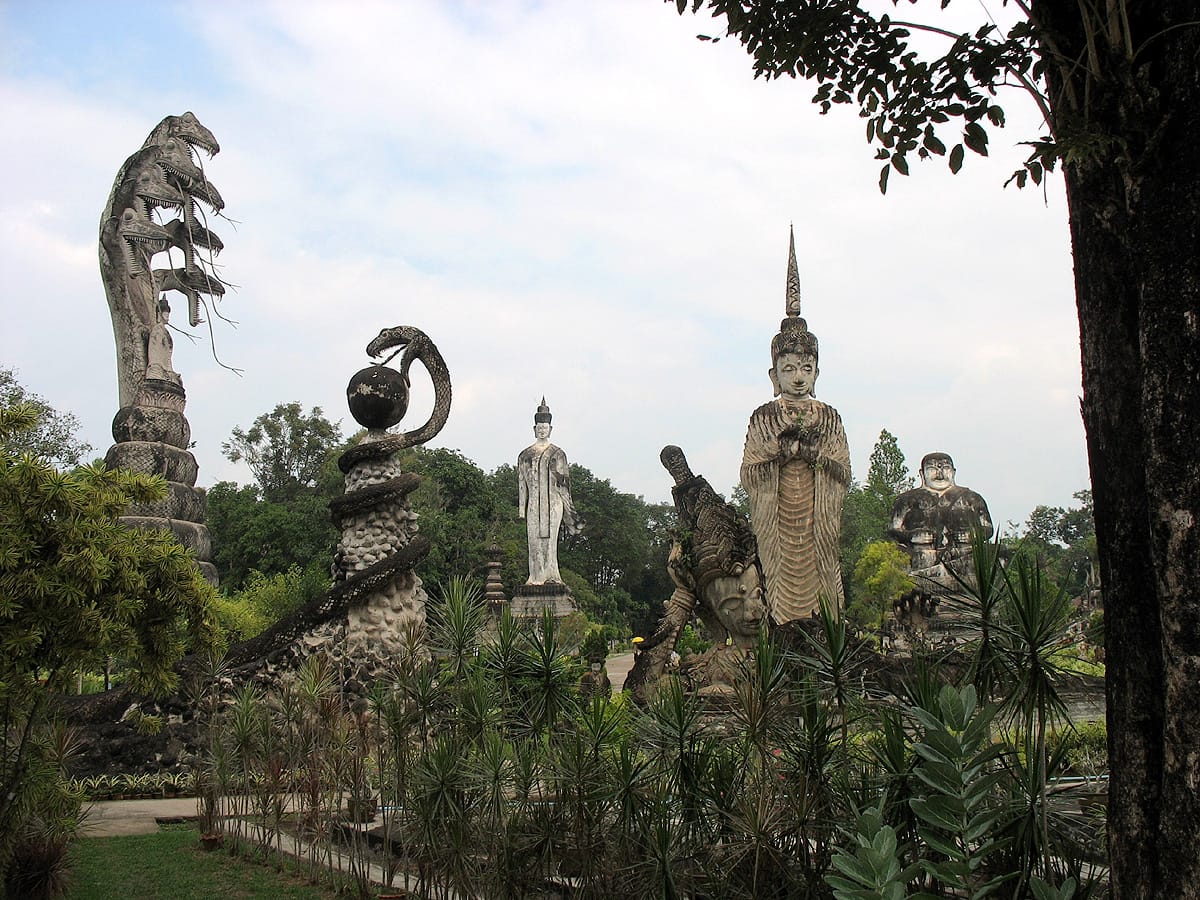
The good thing about Nong Khai is that the main in-town sights cluster along the river in a single strip — Tha Sadet Market, the Naga Plaza, and the riverside walkway are all within walking distance, no car needed. For the spots outside town, like Sala Kaew Ku, the Friendship Bridge, and the far-flung riverside temples, having a vehicle makes things easier.
- In town — easy to explore the riverfront on foot, with the main sights close together. Pick a place to stay in the riverside area or near Tha Sadet Market and you can wander out at night.
- Rent a motorbike — around ฿200–300 per day, the nimblest option for running out to Sala Kaew Ku (about 3 km from town) and the Friendship Bridge.
- Private car / rental car — good if you're heading out to Wat Pha Tak Suea or Wat Hin Mak Peng, which sit far along the Mekong-hugging road. The route is winding, so allow extra time.
- Local hire cars in town — there are tuk-tuks and hire cars running short trips around town. Agree on the price before you get in, every time.
Straight Talk
Nong Khai is a small town, and in-town public transport isn't as frequent as in a big city. If you're planning to hit several spots outside town, lining up a private car or renting a motorbike will save you a lot of waiting around.
4. Food First-Timers Have to Try
Nong Khai is a border town that blends Isan culture with Vietnamese and Lao influences, so the food comes in many styles, all within walking distance. Here are the dishes and spots locals actually go for, ranked in the order we'd want a first-timer to try them.
Nam Neung — Daeng Nam Neung
The town's famous Vietnamese spot. The nam neung (fermented pork) is made fresh daily, skewered and grilled over old-school charcoal, then wrapped in rice paper with fresh veg and dipped in the house sauce. Most first-timers in Nong Khai stop by this place.
Mekong River Fish — riverside restaurants
A Mekong town calls for freshwater fish — tom yum, fish laab, or fried with chili sauce, the flesh fresh from the river. Eaten with the river view in the evening, it just clicks.
Pâté Bread (French bread) — Tha Sadet Market
Bread that's crisp outside and soft inside, filled with liver pâté and moo yor (Vietnamese pork sausage) — a Vietnamese influence. A fun snack to munch while walking the market, easy to find and cheap.
Shrimp on Sugarcane
Minced shrimp wrapped around a stick of sugarcane and grilled, fragrant with a touch of sweetness. Usually ordered alongside nam neung at the Vietnamese spots.
Fried Spring Rolls
Spring rolls packed full and fried crisp, dipped in a sweet-and-sour sauce. A favorite snack at Nong Khai's Vietnamese restaurants.
Isan Food by the River
Som tam, laab, koi, grilled pork neck — full-on bold flavors, found at the riverside spots. Eaten with cool sticky rice while the river breeze blows in, it's a meal you really sink into.
Khao Piak Sen
Noodles in a clear broth topped with pork and garnishes — a border-style breakfast that's easy to find all over town. A light fill before heading out.
Coffee in an Old Building Downtown
A café in a colonial building nearly a century old, with an atmosphere reminiscent of Luang Prabang. A good place to duck out of the afternoon sun mid-walk.
Moo Yor & Naem — Nong Khai's Edible Souvenirs
The takeaway treats worth hauling home — firm-textured moo yor and naem with just the right tang. Find them at Tha Sadet Market and shops around town.
Timing Tip
Tha Sadet Market's food and souvenir zone opens around 8:00 until evening, while the morning market starts at 5 a.m. If you want the liveliest atmosphere, late afternoon into early evening is just right. The riverside walking street only opens on Saturday evenings.
5. Crossing Over to Vientiane — What to Prepare
One of the perks of coming to Nong Khai is that you can easily cross over to Vientiane in Laos as a day trip — out in the morning, back in the evening. You go through the checkpoint at the First Thai-Lao Friendship Bridge, or you can take the train across the Mekong from Nong Khai station to the station on the Lao side. The one thing you must have is a passport.
- Passport — it must have at least 6 months of validity remaining and at least 2 blank pages for stamps. Thai nationals can enter Laos without a visa for short tourist stays.
- Crossing by vehicle over the bridge — you can't walk across the bridge yourself. You have to take a cross-border bus or an authorized vehicle, and pass through immigration on both sides.
- Crossing by train — there's a train across the Mekong on the Nong Khai–Lao side route, and the fare for the crossing leg is very cheap. Immigration is done at Nong Khai station before departure, so allow time for the checkpoint process.
- Kip / baht — many places in Vientiane accept Thai baht, but carrying some kip or a card is handier. You can exchange money at the checkpoint or in Vientiane.
Budget Time for the Checkpoint
Immigration on both the outbound and return legs takes a fair while, especially over long weekends when lots of people are crossing. If you mean to do Vientiane as a day trip, set off early and check the checkpoint's closing times carefully — don't pack the schedule so tight that you miss the ride back.
6. Suggested Plan — One Day
If you've only got one day, focus on the in-town sights that sit close together — visit a temple, see Sala Kaew Ku, walk the market, then close out by the river in the evening. You can fit it all in comfortably, no rush.
In Town + Riverside
7. Suggested Plan — 2 Days, 1 Night
With an extra day, take the first day to explore the riverside town at a relaxed pace, then on the second day head out to the skywalk and riverside temples before heading home. It's a tidy plan for first-timers who want to see both sides of Nong Khai.
Riverside Town
Out of Town + Nature
Straight Talk on Distances
Wat Pha Tak Suea and Wat Hin Mak Peng are quite far out and the roads are winding, so don't cram them into the same day as the in-town sights. If you don't have a private car or you're short on time, trim the second day down to just the closer spots, like Wat Phra That Bang Phuan and the Friendship Bridge — it'll still feel complete.
8. Budget and What to Pack
- Accommodation, 1 night — hotels and guesthouses in the riverside part of town start around ฿500–1,200 per night.
- Food — main meals at riverside or Vietnamese restaurants run around ฿150–300 per meal, plus market snacks.
- Entry fees — mostly free. Sala Kaew Ku is ฿20; the rest, like temples, the Naga Plaza, and the market, are free.
- Getting around locally — rent a motorbike for around ฿200–300 per day, or use a private car.
- What to pack — a hat and water for Sala Kaew Ku and the riverfront, where there's little shade; modest clothing covering shoulders and knees for temples; and a passport if you plan to cross over to Vientiane.
On Cash
In town there are ATMs and shops that take QR payments as usual, but many of the old-market shops and small riverside spots still prefer cash. Carry some small bills and you'll move around more easily.
Want a well-placed riverside stay you can walk to Tha Sadet Market from?
See the Top 10 Nong Khai hotels →