🔄 Updated 21 Jun 2026
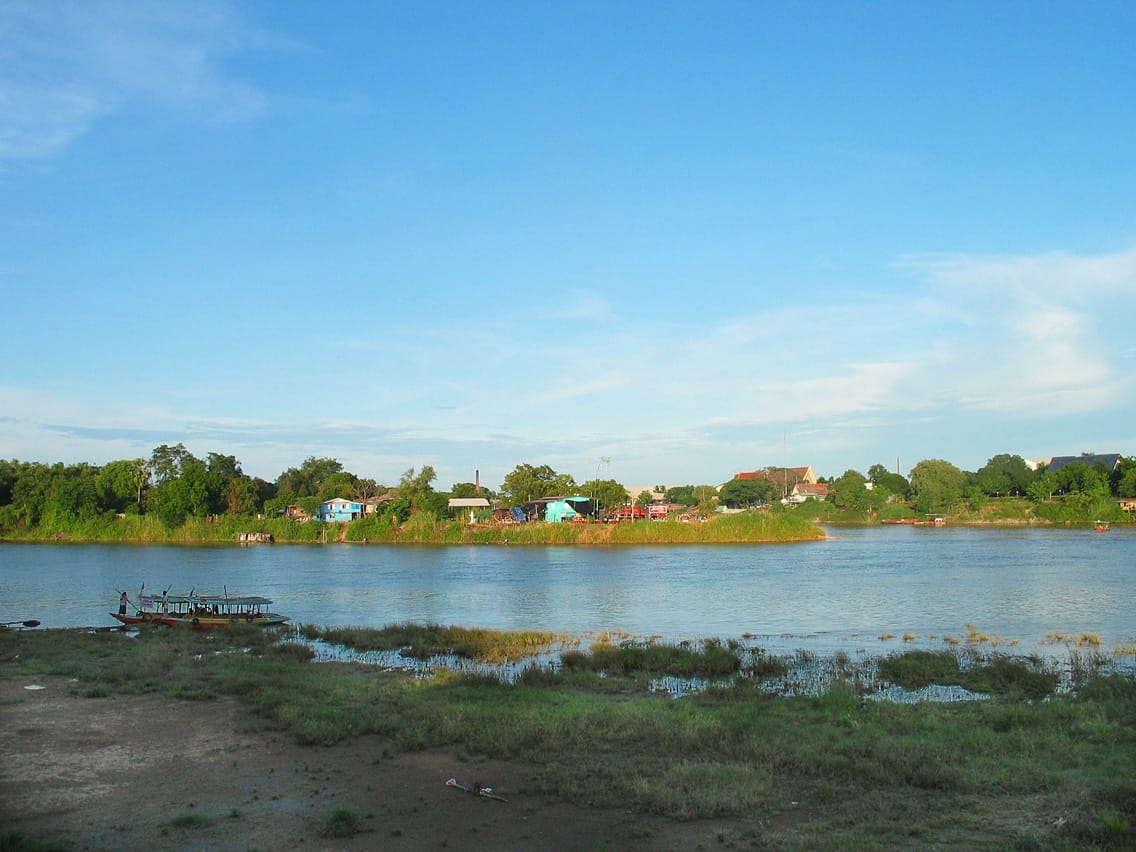
The name Paknampho is a worn-down form of "pak nam phlo" — "where the waters emerge" — because this is the point where several rivers surface and merge. Geographically, this really is the birthplace of the Chao Phraya River. The Ping, Wang, Yom and Nan, all flowing down from the north, meet here before becoming a single Chao Phraya that runs south. That's why people in Nakhon Sawan take so much pride in the nickname "City of Four Rivers" — this town is the starting point of the river that sustains the entire central plains.
The two-color river, and how to actually see it
The spot most people come for is the two-color river, where the Ping and the Nan meet. The Ping runs a deeper green, while the Nan is murkier, more of a reddish brown. As the two press up against each other, you can see a clear line dividing the colors for a stretch before they blend into one. It's the same natural phenomenon you'll find where many of the world's big rivers converge.
To see it clearly
How vivid the colors are depends on the season and rainfall. During late rainy season into early cool season (October–December), there's more sediment and the dividing line is at its sharpest. In the dry months the water runs clearer and the line fades. If you want the full two-color view, go up to a high point like Pasan or take a boat — you'll see it far better than from the bank.
Want more out of Nakhon Sawan? Book tours & activities
Booking online ahead on Klook or GetYourGuide is usually cheaper than the gate and skips the queue. Pick only the experiences you actually want — prices and availability are shown live on each site.
Pasan — climb up for the view of the river's source
Pasan is the landmark building marking the source of the Chao Phraya, set on the tip of Ko Yom in Paknampho subdistrict. The name comes from the word "phasan," meaning the merging of the four rivers. The structure is designed as a curved walkway lifted above flood level, with a glass walkway and viewpoints that take in the bend of the Chao Phraya and the city of Nakhon Sawan all around. At the end of the walkway stands a statue of Guanyin. This is where locals come to stroll, exercise, and sit out by the water in the evening.
- Opening hours — the riverside deck is walkable from morning to evening, roughly 6:00 AM–8:00 PM. The building itself opens for visitors at certain times, around 9:00 AM–5:00 PM (it has been closed on Mondays before, so check the official page first if you're set on going inside).
- Entry fee — free, both the deck and the building.
- Parking — there's a lot by the river, easy to park.
- Best time — late afternoon before sunset, when the light is good and it isn't hot. It's a sunset-viewing spot that locals love.
Why Nakhon Sawan is the city of the golden dragon
Paknampho has an old Chinese community that settled and traded along the river for generations, so Chinese culture runs deep here — especially the Paknampho Chao Pho–Chao Mae procession, held continuously for over 110 years during Chinese New Year. The heart of the parade is the golden dragon, danced both day and night, a performance unique to this place. That's how the golden dragon became the city's symbol, showing up on signs, statues and souvenirs all over town. Come during Chinese New Year and you'll catch the actual procession at its liveliest of the year.
Want to see the dragon dance live
The Paknampho Chao Pho–Chao Mae procession runs during Chinese New Year every year (roughly late January–February, depending on the Chinese calendar). If you're coming specifically for the dragon parade, book your accommodation early — hotels in town fill up fast during this period.
What else to see nearby
Paknampho Walking Street
An evening riverside market with local food and souvenirs, an easy continuation from Pasan in the same area.
Chao Pho Theparak–Chao Mae Thapthim Shrine
An old Chinese shrine at the center of the Paknampho community, the focal point of the Chao Pho–Chao Mae procession.
Bueng Boraphet
The largest freshwater lake in Thailand, a short drive out, great for a boat ride, birdwatching and sunset.
How to get there and plan your visit
- From Bangkok — about 3.5 hours by car on the Asia Highway (Highway 32). It makes a great stop to break up the drive before heading north.
- Bus/van — there are several daily services from Mo Chit down to Nakhon Sawan town, then a local ride out to Paknampho.
- Getting around town — Pasan and the Paknampho area are right in the center of town. Grabbing a hired ride or driving yourself is easier, since public transport in town is limited.
- Time needed — walking Pasan and seeing the two-color river takes about 1–1.5 hours; add the walking street in the evening and a half day is about right.
Plan a full Nakhon Sawan trip — where to stay, eat and go
See the Nakhon Sawan guide →