🔄 Updated 21 Jun 2026
If you've ever heard the phrase golden teak, Phrae is where it comes from. In the late reign of King Rama V, European and Chinese timber companies came in to work the teak-forest concessions around the city. The wealthy nobles of Phrae and the timber merchants who got rich off it built large teak mansions, blending Lanna craftsmanship with the European trim that was fashionable at the time — the so-called gingerbread houses. The signature is the fretwork carved into the gables, ventilation panels and verandas, the thick teak columns, and — most striking of all — the fact that many of these houses are joined with tongue-and-groove woodwork, without a single nail.
Most of these houses are clustered in the old town (Nai Wiang sub-district) and are within walking distance of each other. Some are open as museums with an entry fee of just a few tens of baht; others are free. We've ordered them by how worth visiting they are and how easy they are to get into.
Standout teak houses you can visit right now
Khum Wongburi (the Pink House)
A two-storey rose-pink teak mansion, over a hundred years old, and the image most people picture when they think of Phrae — it's the most photographed house in town. Built in 1907 on the wishes of Chao Mae Buatha, consort of Chao Luang Phiriyathepwong, the last ruler of Phrae. A Cantonese-Chinese master builder oversaw the construction alongside local craftsmen, and the fretwork along the gables and verandas is incredibly fine. Inside, the family's old furniture and belongings are still kept in full, and it has served as a filming location for several period dramas.
Khum Chao Luang (Phrae City Museum)
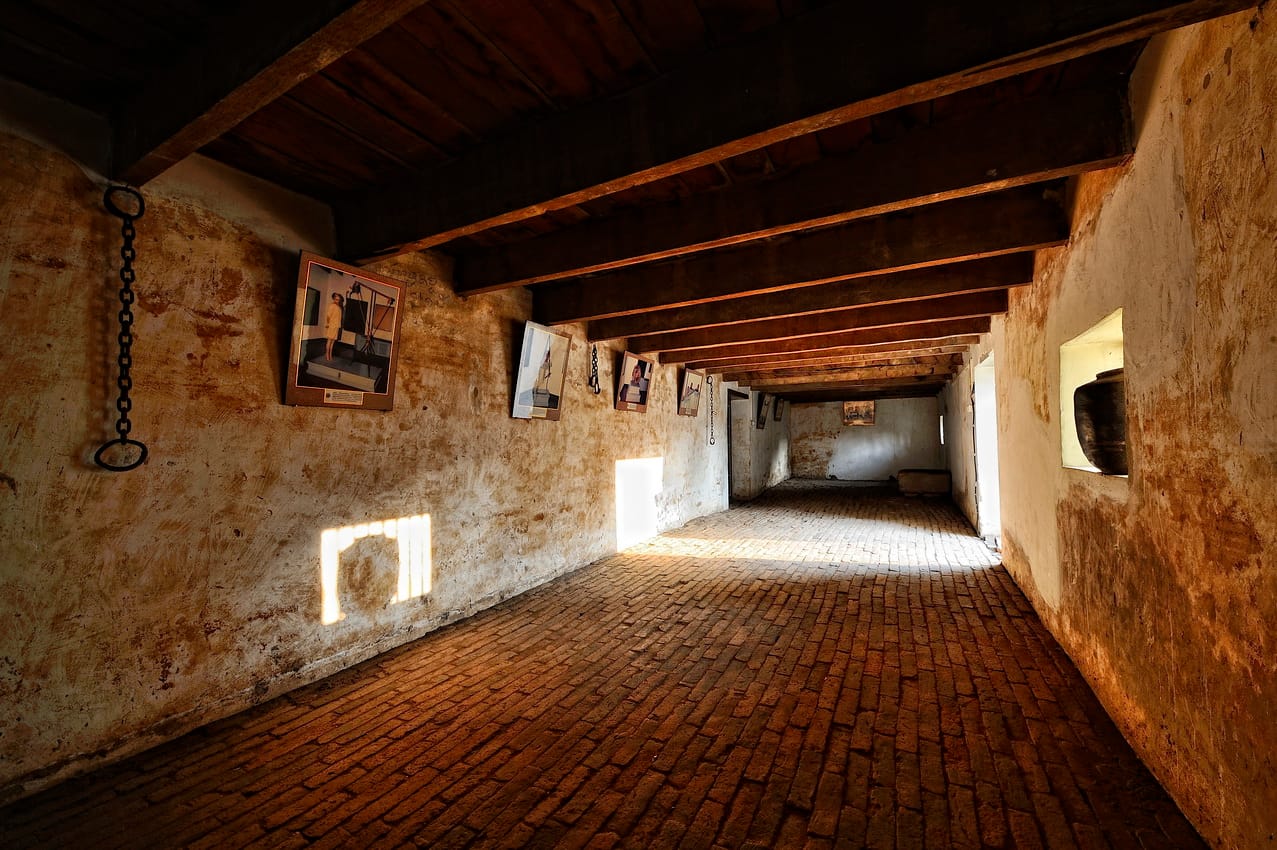
An enormous two-storey teak mansion in a mix of Thai and European styles, built in 1892, once the residence of the last ruling lord of Phrae. The talking points are its 72 doors and windows in total, three separate staircases, and a basement that was once used to hold servants in detention. Today it's set up as a museum telling the city's history, with old photographs and belongings of the Phrae nobility.
Khum Wichairacha
A teak mansion over a century old, built around 1891–1895 by Chao Nan Khat, founder of the Saensiriphan family. It's a Manila-style house blended with gingerbread and Lanna details, with graceful, delicate fretwork along the gables and ventilation panels and structural columns measuring 8x8 inches. It's currently under interior restoration, so you can only view it from the outside — but just walking around the house taking photos is already a treat.
Ban Pratabjai (the House of a Hundred Pillars)
A Lanna-style teak mansion assembled from several old houses that were moved and rebuilt here. Its big draw is the more than 130 thick teak pillars, each wider than two people can wrap their arms around — which is why it's called the House of a Hundred Pillars. It belongs to the Chaiwannakhup family and was completed around 1976. Inside, it displays the everyday life of Phrae's people. It sits a little outside the old town, but it's easy to reach by car.
Teak Museum (former FIO building)
A group of teak buildings from the era of the East Asiatic timber company — three survive, including Thailand's first forestry school. Today they tell the story of teak's history, the concession system and forest management. It's the place that helps you understand why Phrae is so full of teak houses in the first place.
Ban Chao Nan Chaiwong
A gingerbread house built entirely of teak, painted cream and brown, with a Manila-style roof shingled in wooden tiles and detailed fretwork. Built around 1907 by a timber merchant during the boom years, it's a privately owned house that's still in good condition — a good spot to stop and photograph from the outside while wandering the old-town lanes.
Wat Chom Sawan Viharn
Not a house, but a Burmese-style teak viharn raised high on a platform, with a tiered roof decorated in fine fretwork. Inside is Luang Pho San, a Buddha image woven from bamboo and finished in lacquer and gold leaf — master-level woodcraft that's worth pairing with the other teak houses.
Tips for visiting
Khum Wongburi and Khum Chao Luang are only a few minutes' walk apart, so it's easy to see both in one go. Khum Wichairacha is under restoration at the moment and you can only get to the outside — check ahead if you want to go in. Several of the khum are former private homes, so keep your voice down and ask permission before photographing anyone inside.
Want more out of Phrae? Book tours & activities
Booking online ahead on Klook or GetYourGuide is usually cheaper than the gate and skips the queue. Pick only the experiences you actually want — prices and availability are shown live on each site.
Reading the architecture: what to look for
Phrae's teak houses look similar at a glance, but if you know what to look for, the walk gets a lot more interesting. Try focusing on these three things.
- Wood fretwork (gingerbread) — look along the gables, the ventilation panels above the doors, and the eaves. The finer the carving, the more it tells you about the owner's status and the craftsman's skill. Khum Wongburi and Khum Wichairacha are examples with especially beautiful fretwork.
- Nail-free joinery — many of the old houses are joined by notching grooves so the pieces lock together. Take a look at where the beams meet the columns and you'll see the ingenuity of the old craftsmen.
- Thick teak columns — the structural columns are usually chosen from century-old teak. It's clearest at Ban Pratabjai, where huge pillars wider than two people can reach around stand in rows.
- Raised-floor layout — most are built high off the ground to let air through and guard against flooding. The ground floor of Khum Chao Luang is a special case, built as a basement.
Quick overview before you go
Interior open
Khum Wongburi, Khum Chao Luang, Ban Pratabjai and the Teak Museum — you can walk through the inside in full.
Exterior only
Khum Wichairacha (under restoration) and Ban Chao Nan Chaiwong — you can photograph the outside, but the inside isn't open yet.
Total entry budget
Adding up everywhere that charges admission still comes to just a little over a hundred baht per person — and many places are free anyway.
An easy 2-day walking route
The standout houses in the old town are all within walking distance, while the ones outside town are better saved for the second day. Here's a relaxed plan with time to stop for cafés and good food along the way.
Old town: walking the khum in Nai Wiang
Outside town: House of a Hundred Pillars + teak viharn
Getting around
The houses in the old town are all within walking distance, but Phrae gets hot in the middle of the day — bring an umbrella and water. Ban Pratabjai is outside town, so if you're not driving yourself, you can hire a songthaew or a motorbike taxi — just agree on the price before you get on, every time.
Want a full Phrae itinerary — the teak mansions, cafés and food all together?
See the Phrae travel guide →