🔄 Updated 21 Jun 2026
Mention dinosaurs in Thailand and most people think of Kalasin first — and the whole story started right here at Phu Kum Khao, a low hill in Sahatsakhan district. In 1994, Phra Khru Wichit Sahatsakhun, the abbot of Wat Sakkawan, came across some odd-looking bone fragments poking out of the ground and reported them to the Department of Mineral Resources. Once a proper excavation began, they found the ground there packed with the bones of several plant-eating dinosaurs, making it one of the largest dig sites in Southeast Asia.
What sets this place apart from a normal museum is that they chose not to dig the bones out for display. Instead they built a hall over the excavation pit right where the bones were found, and laid a walkway so you can see the bones in the exact position they've lain in the rock for millions of years. You see ribs, leg bones and hip bones jumbled together in the reddish-brown rock — a sight that reading about it in a book just doesn't match.
What you'll see at the dig site
The dig site is an open hall with a roof over it to shield the in-rock bones from sun and rain. Inside, a raised walkway loops around the pit, and looking down you'll see dinosaur bones emerging from the rock floor at the points that were excavated. Labels tell you which piece is what and which part of the body it came from, so you can slowly piece together that this really was the remains of a huge animal.
- Over 700 bones — from no fewer than 7 plant-eating dinosaurs, clustered together in one spot
- Early Cretaceous rock — around 130 million years old, reddish-brown sandstone that was once an ancient riverbed
- Phuwiangosaurus sirindhornae — a long-necked plant-eating dinosaur named in honour of HRH Princess Maha Chakri Sirindhorn, found mainly here
- Labels marking each bone — they help you make out which piece is a leg, a rib, or a tail bone
How to walk it so the bones stand out
The light in the hall is fairly soft, so if you want the bones to show up in photos, walk slowly and look for a spot where side light catches the rock — the bones pop out more than viewing them head-on. And read the labels before you look, because bones set in rock blend into the floor at a glance. Once you've read them, look again and the shapes get a lot clearer.
Want more out of Kalasin? Book tours & activities
Booking online ahead on Klook or GetYourGuide is usually cheaper than the gate and skips the queue. Pick only the experiences you actually want — prices and availability are shown live on each site.
See it together with Sirindhorn Museum
The dig site sits right beside Sirindhorn Museum, the biggest and best-presented dinosaur museum in Thailand. Most people walk through the museum first and finish at the dig site, and that order works well — the museum lays the groundwork for what these bones are, so when you step out and see the real thing in the rock, it lands harder.
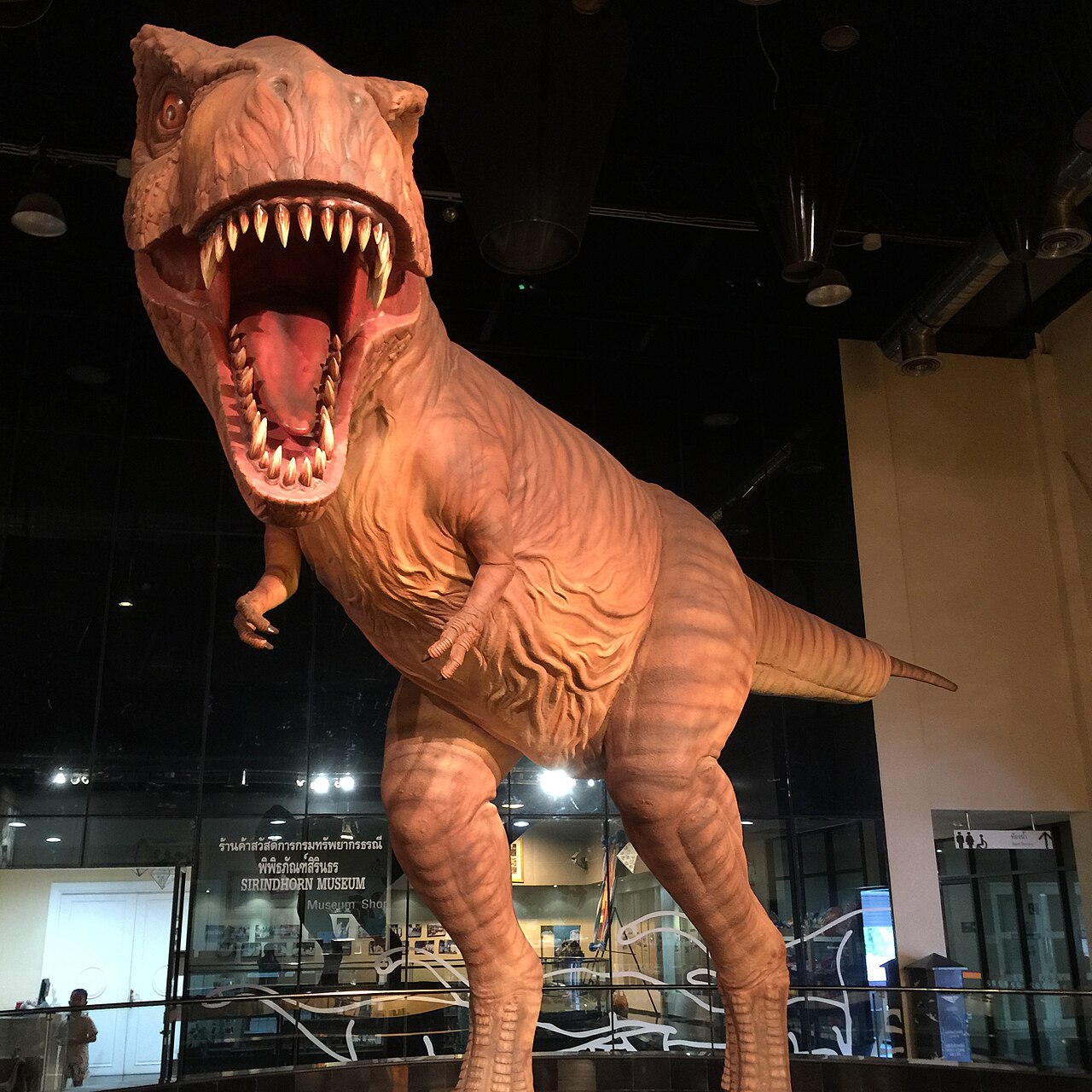
Inside the museum you follow a storyline from the birth of the planet, through the evolution of life, all the way to the age of the dinosaurs. There are life-size skeleton replicas to stand next to, the rooms are cool and comfortable, and it's great for kids because it tells the story step by step rather than just putting objects on display.
Indoor museum zone
Air-conditioned, walks you from the birth of the planet to the age of the dinosaurs, with life-size skeleton replicas. About an hour to walk through.
The excavation hall
The real highlight — walk the raised path and see actual bones in the rock. It's behind the museum.
Wat Sakkawan (Phu Kum Khao)
The temple where the bones were first found, on the same hill, with dinosaur statues and a view down over the reservoir.
Hours, entry fee and how to get there
- Opening hours — open Tuesday to Sunday, around 9.00am–4.30pm, closed Mondays (in some years it opens extra days over long holidays — worth checking before you go)
- Entry fee — around 40 THB for adults, cheaper for children and students; free entry during some festival periods
- Location — Non Buri sub-district, Sahatsakhan district, about 28–30 km north of Kalasin town on Highway 227
- Getting there — easiest by your own car or a rental, about 35–40 minutes from town, with a large car park
- Call to check — 043-871-612 to 616 (hours and fees can change by season)
Straight talk from someone who's been
Getting here by public transport is a hassle — it's outside town and there's no direct bus. If you're not driving, the easiest option is to charter a car or hire a private driver from town; a round trip with waiting time should run somewhere from a few hundred to around a thousand THB. Agree on the price before you set off.
Phu Kum Khao as a half-day or full-day trip
Phu Kum Khao and Wat Sakkawan are on the same hill and you can walk straight from one to the other, and they're close to Lam Pao Reservoir, so it makes an easy half-day trip or you can stretch it into a full day. Here's a plan that works.
Phu Kum Khao dinosaurs
Lam Pao Reservoir + back to town
If you want a proper dinosaur fill, Kalasin has several more dinosaur-trail stops around the province that you can string into another day — perfect for families with kids who love dinosaurs.
Plan a full Kalasin trip without missing the good stuff
See the Kalasin travel guide →