🔄 Updated 21 Jun 2026
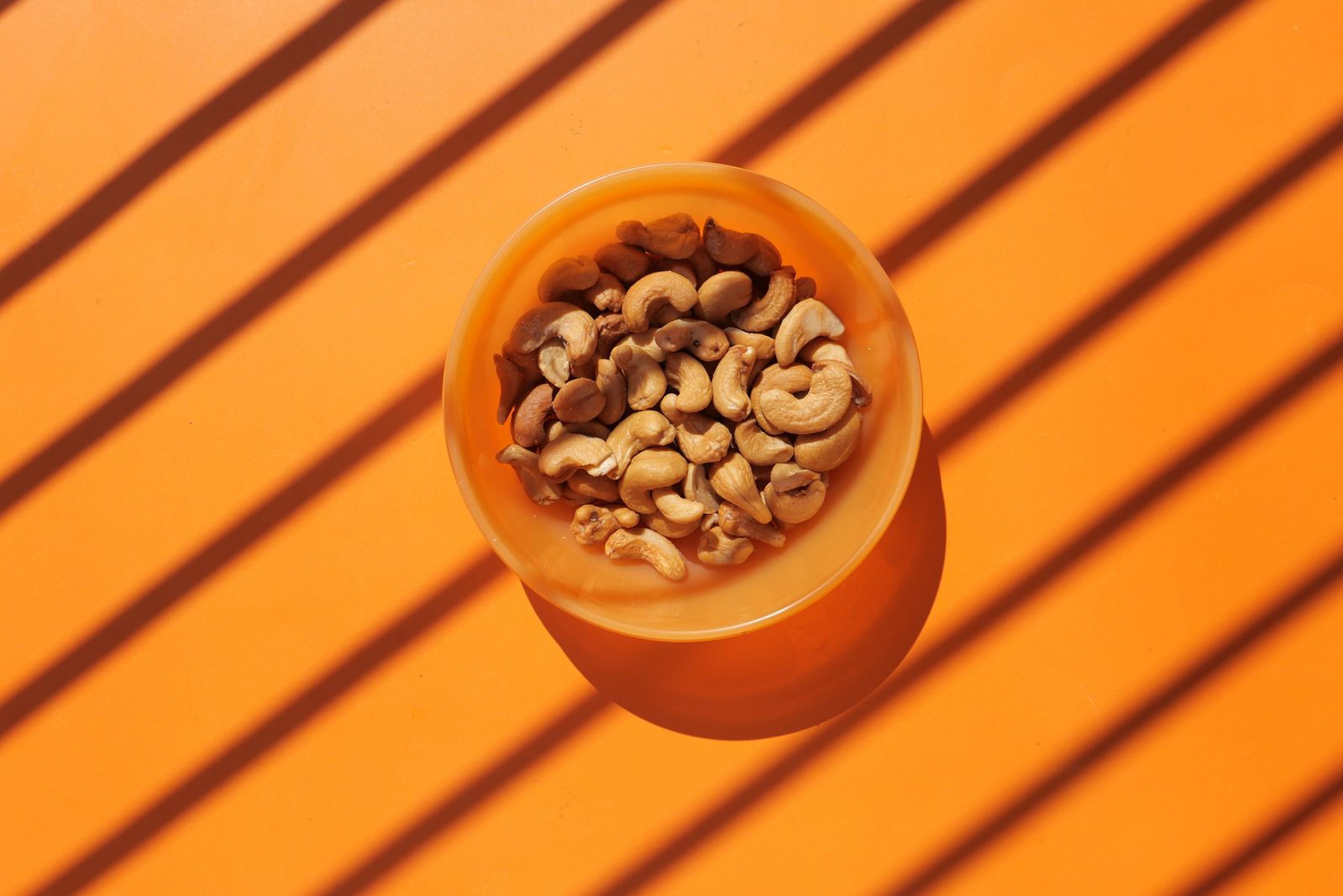
Ranong has been known for cashew nuts for a long time, especially around Ngao sub-district and the areas circling the town, where they still roast and process the nuts themselves. The draw is well-sized nuts that are rich and fragrant from being roasted fresh. Many of the shops are small factories selling out front, so prices run cheaper than buying from roadside stalls. Plan it right and a single stop can get you souvenirs for the whole house.
Salt-Roasted, Honey, Pan-Roasted, Fire-Roasted — What's the Difference
Before you buy, it helps to know each style so you can pick what suits the person receiving them — the taste and texture really do differ.
- Salt-roasted — the classic best-seller. Lightly salty to cut the richness of the nut, easy to keep snacking on. A safe souvenir that just about anyone will eat.
- Honey-glazed — coated with a hint of sweetness, more of a snack to nibble with coffee. Kids and anyone with a sweet tooth love it, though it keeps a little less long than the salt-roasted kind.
- Pan-roasted (traditional/rice-roasted) — roasted in a pan with sand or raw rice the old-fashioned way, no oil, natural flavor, rich without being cloying. Health-conscious folks go for this one.
- Fire-roasted (roasted in the shell) — Ranong's traditional method, roasting the whole shell then cracking it open. You get a fragrant smoky aroma, and the nuts often come a bit broken, but plenty of people are hooked on that distinctive smell.
- Butter / caramel roasted — a bit more unusual, fragrant with butter or sweet caramel, good to mix in for variety. But the staples people still buy are salt-roasted and pan-roasted.
Know Your Grades
Cashew nuts are graded by size. Grade AAA or AA means full, big, good-looking nuts at the top price — ideal as a nice gift. Broken or split nuts (often called halves) cost a lot less and taste exactly the same, so they're great for eating yourself or cooking with.
Want to taste deeper? Try a Ranong food tour or cooking class
Half a day with a local who knows the lanes — or cooking a dish yourself — teaches you more than just eating. Book ahead on Klook or GetYourGuide.
Ranong Cashew Nut Shops That Are Actually Open
These are the shops locals and travelers mention most often, mostly factories or producers selling out front. The prices listed are rough ranges that depend on grade and the current cost of raw nuts — call ahead to check if you're buying in bulk.
Watcharee Farm Outlet
Ranong's first Farm Outlet and the one place to get everything in one stop — salt-roasted, butter, caramel and honey-glazed cashews plus fire-roasted ones, along with ready-to-drink cashew apple juice and processed seafood like shrimp paste, dried shrimp and squid. Sold straight from the source so prices are reasonable, open all day, and easy to pop into on the way in or out of town.
Manachai Factory
A cashew-processing factory that locals know well, right on Phetkasem Road. They have salt-roasted, traditional pan-roasted and big rice-roasted nuts, plus other nuts like almonds and macadamias. You can buy retail at the front, and many people reorder online from them because the nut quality stays consistent.
Nareerat Ranong Souvenirs
A souvenir shop that produces and sells its own cashew nuts, located near Raksawarin Park and the hot springs — a handy stop to grab some after a mineral soak. They carry both salt-roasted and pan-roasted, bagged and ready to give as gifts.
Bang San Phanit
A long-running souvenir shop selling a full range of Ranong local goods — cashew nuts, shrimp paste, dried shrimp. It's where people pick up several souvenirs in one go, good for anyone who wants both cashews and processed seafood at the same time.
Souvenir Stalls in Ranong Municipal Market
If you'd rather not leave the town center, the municipal market and the in-town souvenir shops sell cashew nuts in small and large bags, priced by grade. The upside is you can taste and compare several sellers in the same area — good for anyone short on time who still wants something to take home.
How to Buy Smart and Get Fresh Nuts
- Buy from the source — shops that roast their own, like Watcharee or Manachai, are usually a fair bit cheaper than roadside sellers, and the nuts are roasted fresher.
- Pick to suit the recipient — salt-roasted and pan-roasted are safe choices anyone will eat. If you're buying for someone with a sweet tooth, add honey-glazed or caramel.
- Halves/broken nuts are better value — same taste as whole nuts but clearly cheaper, great for eating yourself or for cooking and baking.
- Check the date and crunch — almost every shop lets you sample first. Fresh nuts are crunchy and fragrant; if they're chewy, they've been sitting a while.
- Store somewhere dry — cashews soak up moisture, so once you're home keep them in a zip bag or airtight jar. Honey-glazed ones especially should be eaten sooner.
A Half-Day Ranong Souvenir Shopping Route
If you're visiting Ranong and want to collect all your souvenirs without wasting time, tack a half day onto your mineral-spring program. Pace it like this.
Soak in the Springs, Then Shop Nearby
Stock Up at the Source
Straight Talk
Cashew prices rise and fall with the season and the grade of raw nuts. As of writing, ordinary pan-roasted nuts run around 180–190 THB per kilo, while the big, good-looking grades climb higher. If you spot something a lot cheaper, check whether they're halves or have been sitting a while — genuinely good nuts don't vary much in price from shop to shop.
Plan a full Ranong trip — eating, sightseeing and souvenirs
See the Ranong travel guide →