🔄 Updated 21 Jun 2026
The charm of eating your way around Ranong is that everything sits close together in a small municipal core — a few minutes on foot or by car and you've switched neighbourhoods. The seafood here is fresh because the town hugs the Andaman, and the local specialties are big river prawns, oysters from the bay, cashew nuts (gahyu) from the islands, and a Cantonese breakfast culture that's stuck around since the tin-mining days. We've organised this guide by area so it's easy to follow, starting with the night market that's the heart of the town's street food.
A note on prices — the figures below are ballpark prices gathered from reviews and real stalls. Big-ticket seafood like grilled prawns is priced by weight and by what came in that day, so it shifts with the season and the market. Always ask the price before you order so there are no surprises when you pay. Most stalls in the night market take cash only, so bring small bills to make life easier.
The Night Market — heart of Ranong street food
The night market sits in the middle of town near the town hall. Locals call it a few different names — the market by the town hall, or the library market. It's the most varied spot for local food in town: cheap, with both savoury and sweet, and rarities like horseshoe crab roe. The standout is the smell of the grilled-seafood and grilled-river-prawn coals that drifts all the way down the lane. Here are the stalls in and around the night market worth seeking out.
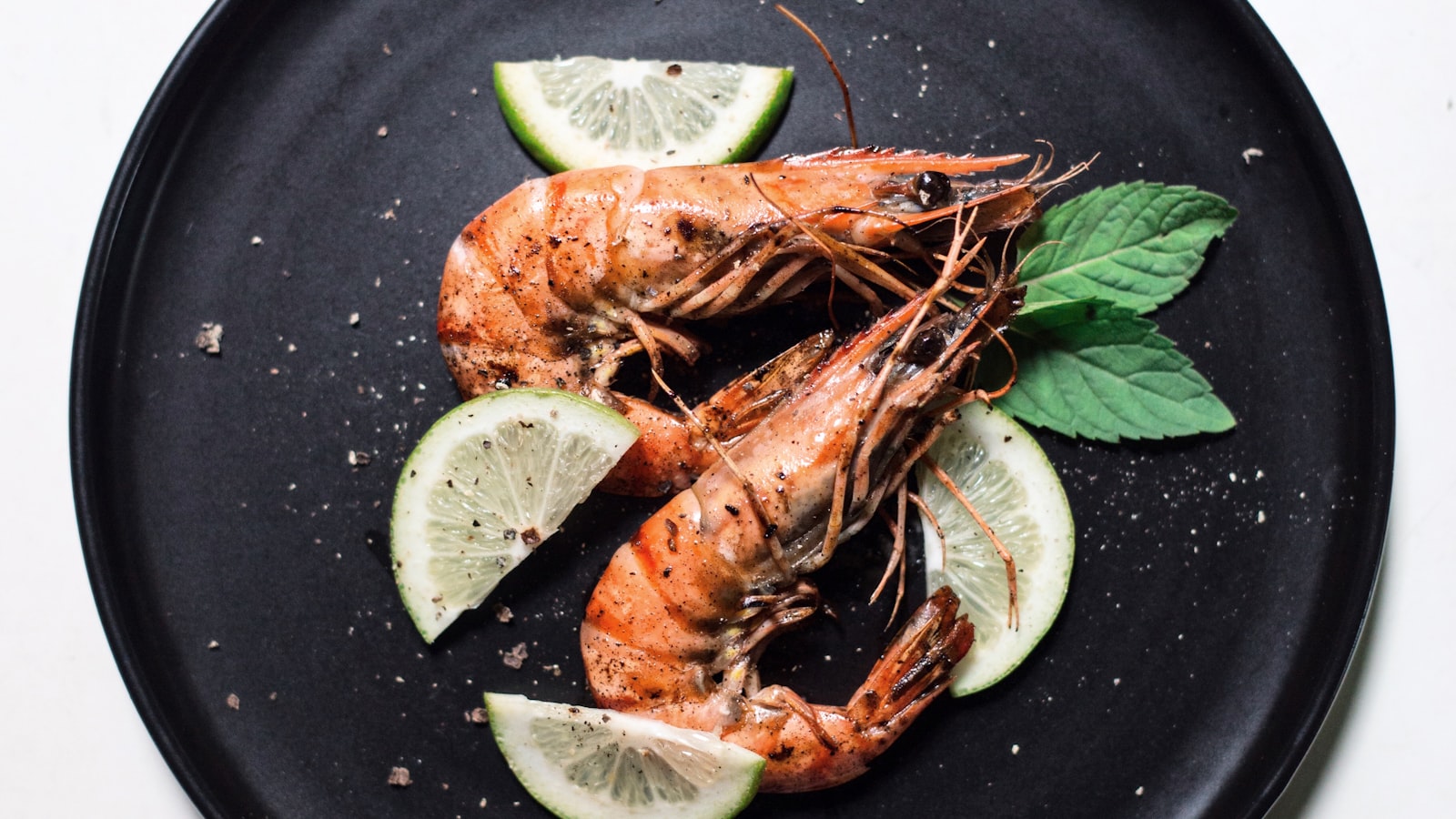
Takraeng Phao (grilled river prawns)
The night-market regular people queue for, thanks to big river prawns grilled over charcoal on a wire rack until they're fragrant. Peel back the shell and the prawn fat oozes out of the head; dip it in the zesty seafood sauce. Prawns with the rich head run about 150 THB a box, glassy-head prawns about 180 THB a box, around 8–9 prawns per box. It's the walk-and-eat dish everyone points to first if you come to the night market.
Je Aen crab curry noodles (the old shop)
A khanom jeen (rice noodle) stall in the night market whose signature is a rich crab curry sauce at about 25 THB a plate — a sweet price but a properly bold Southern-style kick. There are several sauces to choose from, including green chicken curry and a heavy gaeng tai pla that the locals love. Pile on the fresh veg to eat alongside. It's a light plate that lines your stomach nicely before you carry on to the grilled stuff.
Horseshoe crab roe stall (fresh salad)
A hard-to-find local specialty in the night market. Pick a horseshoe crab by size and the vendor makes you a fresh salad on the spot — the roe tossed with a sour-spicy dressing. There are two prices, roughly 220 and 250 THB depending on size. It's an unusual dish that fans of local food shouldn't skip, but we'll be honest: it's strongly flavoured and not for everyone, so try a little first.
Grilled seafood stand (squid, shellfish, prawns)
Beyond river prawns, the night market has mixed grilled-seafood stands working squid, cockles, mussels and sea prawns by the skewer or the box, grilled fresh in front of you and dipped in seafood sauce. It's easy-to-grab, cheap walk-and-eat food, good for buying a few different things to share around a group. It's fresh, too, since the market sits close to the river mouth.
Ranong orchard durian and fruit
Ranong is a rainy town, so there are plenty of orchards — the Nai Wong area is known for durian. In fruit season the night market has stalls of durian, mangosteen, rambutan and longkong, cheaper than in the big cities because they come from orchards around town. It's the sweet finish after you've worked through the savoury stuff. Ask what variety the durian is and you can taste before you buy.
Local sweets and snacks
Walk the night market and you'll find stalls of Thai sweets and local treats scattered about — roti, khanom krok, khanom thuay, khanom jak, and hot fried snacks for a few baht. They're easy-to-buy nibbles to eat as you walk, light on the stomach, and good to carry along while you browse the grilled stalls.
Make the most of the night market
The night market is busiest in the early evening before nightfall. Come then and the grilled food is freshest and the stalls are all open. Grilled river prawns and seafood tend to sell out fast on busy days, so arriving early evening gives you more to choose from. Bring cash in small bills, since most stalls still don't take transfers or cards. And if you want the unusual local stuff like horseshoe crab roe, ask the vendor what's especially fresh today and order accordingly.
Want to taste deeper? Try a Ranong food tour or cooking class
Half a day with a local who knows the lanes — or cooking a dish yourself — teaches you more than just eating. Book ahead on Klook or GetYourGuide.
Ranong Walking Street (Saturdays)
If you're here on a Saturday, the Ranong walking street is another spot you can eat your way along for a while. It runs every Saturday, roughly 5–10pm, on a street in the town centre, with food, sweets, local dishes, snacks and handmade souvenirs. The vibe is easygoing small-town — not the shoulder-to-shoulder crush of a big-city walking street, so you can stroll at your own pace. It's ideal if your trip happens to line up with a Saturday night.
- Walk-and-eat food — grilled and fried snacks, Southern dishes, and one-plate meals from a few baht to a hundred-odd, easy to buy and eat as you stroll.
- Sweets and drinks — Thai sweets, local treats, bubble tea and fresh fruit juices, good for cooling off as you walk.
- Handmade souvenirs — crafts, clothes and local keepsakes, if you want to take something home besides food.
- Check the calendar first — some parts of the year the walking street runs seasonally, so check the Ranong municipality's page to see whether it's on that Saturday before you plan.
Straight talk on the walking street
The Ranong walking street runs only on Saturdays, and in some periods it's held seasonally per the municipality's calendar — it isn't on every week all year round. If your trip doesn't fall on a Saturday, don't sweat it: the night market is open almost every day and is the town's main street-food spot anyway. You can treat the night market as your home base.
The municipal fresh market in the morning — fresh produce and local goods
Another corner that market-lovers shouldn't miss is the Ranong municipal fresh market in the morning. It's a morning market where locals actually do their shopping, with fresh seafood off the boats, Southern home-grown vegetables, forest produce from the hills, and ready-made food stalls to grab for breakfast. Just walking around soaking up the atmosphere is enjoyable, and you'll spot local goods like bai liang (melinjo leaves), sataw (stink beans), look nieng, and seafood you don't often see in other towns. It's for travellers who want to see the town's real daily life rather than a tourist market.
Fresh seafood off the boats
Fish, squid, prawns, oysters and fresh cockles straight in from the river mouth, at market prices. If your place has a kitchen you can buy and cook it yourself, or just enjoy the spectacle.
Southern home-grown vegetables
Bai liang, sataw, look nieng and fresh veg — the local ingredients that flavour Southern cooking. Walk through and you'll understand why Southern food packs such a punch.
Curry-over-rice and breakfast stalls
Southern curry-rice, rice noodles, fried snacks and morning treats to line your stomach before heading out. Local prices — cheap and the real deal.
Chinese-style breakfasts in Ranong
Ranong has a Cantonese breakfast culture that's stuck around since the mining days. Plenty of people start their morning with hot dim sum and kopi (old-style coffee). It's a morning walk-and-eat ritual you shouldn't skip if you want to understand this town a little more deeply. Here are the breakfast spots Ranong locals actually go to.
Ranong Ocha
A breakfast spot the Cantonese-leaning Ranong food crowd swears by, serving hot dim sum — dumplings, steamed buns, stewed-pork-leg rice, kai krata (pan-fried eggs) and bak kut teh. The dim sum is the most talked-about, steamed fresh and eaten with dipping sauce and tea. Open early, roughly 6.30am–12.30pm, ideal for starting the day before you head out. Come a bit early and you won't wait long.
Kong Kopi Tiam
An old-style coffee house in the Chinese tiam (shophouse) tradition, brewing kopi from robusta beans the old way. The standout is a hard-to-find coffee-flower tea, served with hot fried mantou. The setting is old Chinese-shophouse, good for sipping coffee in the morning before exploring the old town — a corner where you really catch the old-Chinatown feel of Ranong.
Yam Chao Dim Sum
Another dim sum spot Ranong locals often hit for breakfast, with dim sum, kai krata and Chinese breakfast dishes served with hot tea and coffee. The vibe is a plain, unfussy breakfast shop, focused on fresh hot food at easy prices. Good if you want dim sum but Ranong Ocha is packed — this is a solid alternative.
Ji Nguan Rice Noodles
A long-running khanom jeen shop in Ranong that locals have eaten at for years, with a bold, fully spiced Southern-style sauce and plenty of fresh veg to pile on. It's a light breakfast or late-morning meal at local prices, good if you want simple local food rather than a tourist spot. The crab curry sauce and the coconut-milk sauce are the popular picks.
Eating your way around Ranong by area — a short plan
Ranong is a small town you can eat your way around comfortably in a day. If you're staying longer, split it into stretches by area. Here's a rough eating plan that keeps each meal close together so you're not running back and forth — adjust depending on whether your trip lands on a Saturday.
Chinese breakfast to night market (in town)
Local goods, river mouth, walking street (if it's a Saturday)
Edible souvenirs from Ranong
- Gahyu (cashew nuts) — the most famous of all, grown around Koh Chang and Koh Phayam, available butter-roasted, salt-roasted and fire-roasted. Easy to take home and keeps a long time.
- Pounded sand-whiting / salted fish — processed seafood you can carry home; the salty-sweet flavour goes well with rice congee.
- Ranong coffee / kopi — robusta beans roasted kopi-style; buy the ground coffee to brew at home and take a bit of the old-Chinatown aroma with you.
- Dried seafood — dried prawns and dried squid, found in the municipal fresh market at local prices.
- Big souvenir shops — around Wat Ban Ngao there are souvenir shops gathering Ranong's best in one place, handy to stop at before leaving town.
Plan a full eat-and-explore trip to Ranong
See the Ranong travel guide →