Naivacha Tent Koh Mak — air-conditioned beachfront glamping tents at Ao Daeng that give you the camping feeling without giving up comfort
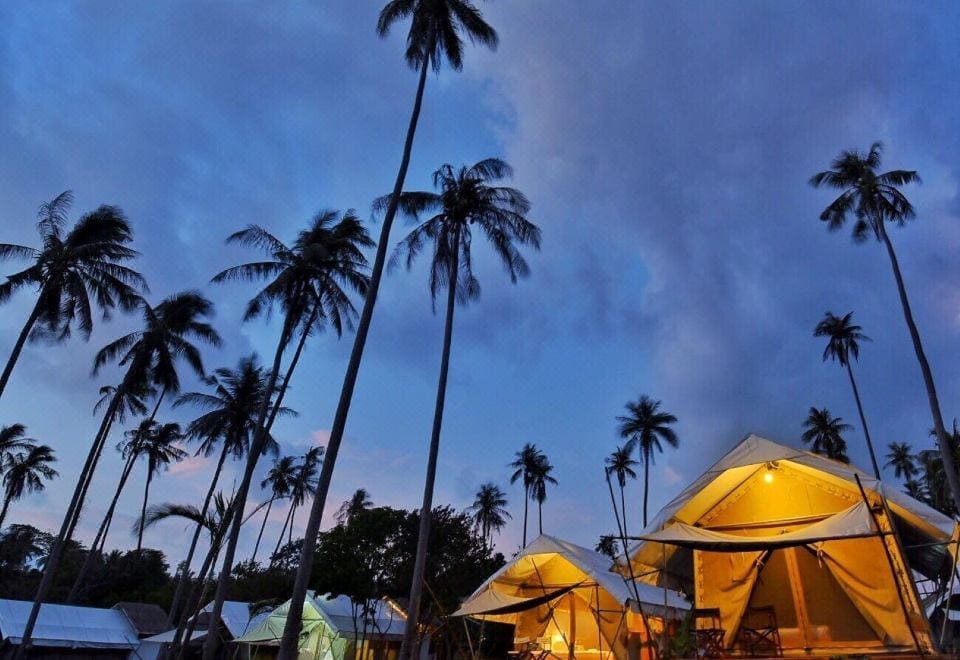
Picture this: sleeping in a white tent in the middle of a coconut grove, opening the tent flap to the sea on the Ao Daeng side, and watching the sun slip below the horizon in the evening — all while the tent keeps an air-conditioned chill and has its own en-suite bathroom. Naivacha Tent Koh Mak is a glamping stay that takes the feeling of sleeping in a tent close to nature and blends it with the comfort of a small hotel. It is named after the village of Naivasha in Kenya, quiet and close to nature, and built around a low-carbon concept in keeping with the spirit of Koh Mak. There are around 10 tents plus a couple of bungalows, which keeps the atmosphere private and uncrowded. From about THB 2,000/night, scoring 8.4 from real reviews on Trip.com.
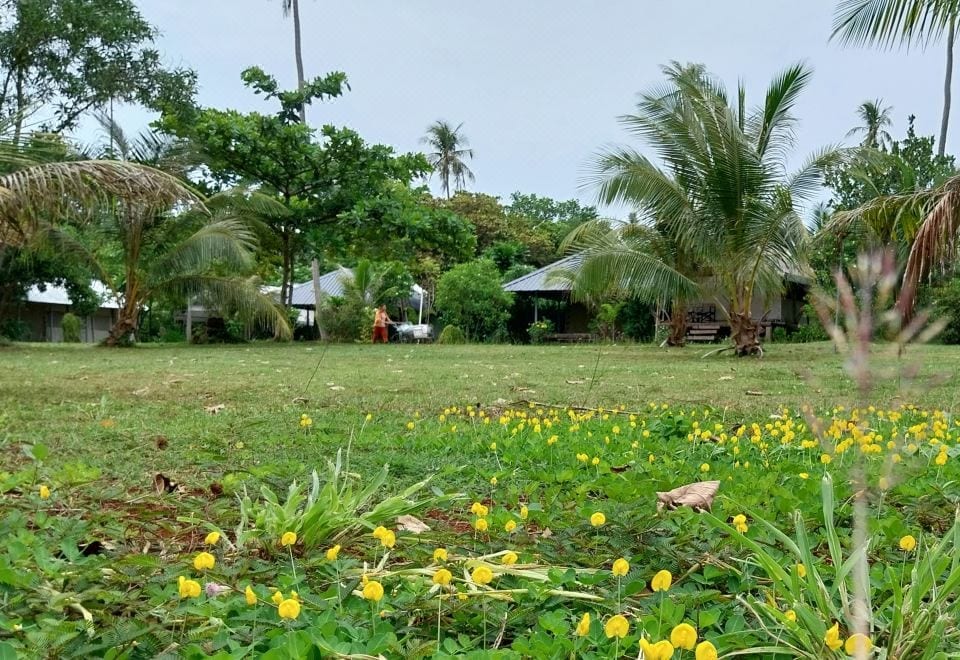
Who Naivacha Tent is right for — to put it as simply as possible, Naivacha Tent Koh Mak is a stay for people who want "the feeling of camping close to nature, but without suffering the heat and inconvenience." It is not a big luxury resort with large rooms, and it is not the standard concrete bungalow you find all over the island. It is a glamping stay that sets white canvas-roofed tents in the middle of a coconut grove on Ao Daeng Beach, then adds air conditioning, an en-suite bathroom and a soft bed so you sleep as comfortably as in a real room. The stay is built around a nature-friendly low-carbon concept, in line with Koh Mak's overall image of sustainable tourism. From the real reviews, the people who suit it best are couples who want a quiet, romantic atmosphere by the sea, nature-loving travellers who like things simple, and small groups of friends or families who want to try sleeping in a stylish tent without having to bring their own gear. The people who may not click with it are those expecting a 4-5 star hotel room with a fridge, TV and every amenity in the room, because this place deliberately strips away some of those luxuries as part of its concept. You could say it sells "experience and atmosphere" more than luxurious materials, and that is exactly why so many people come back talking about it fondly.
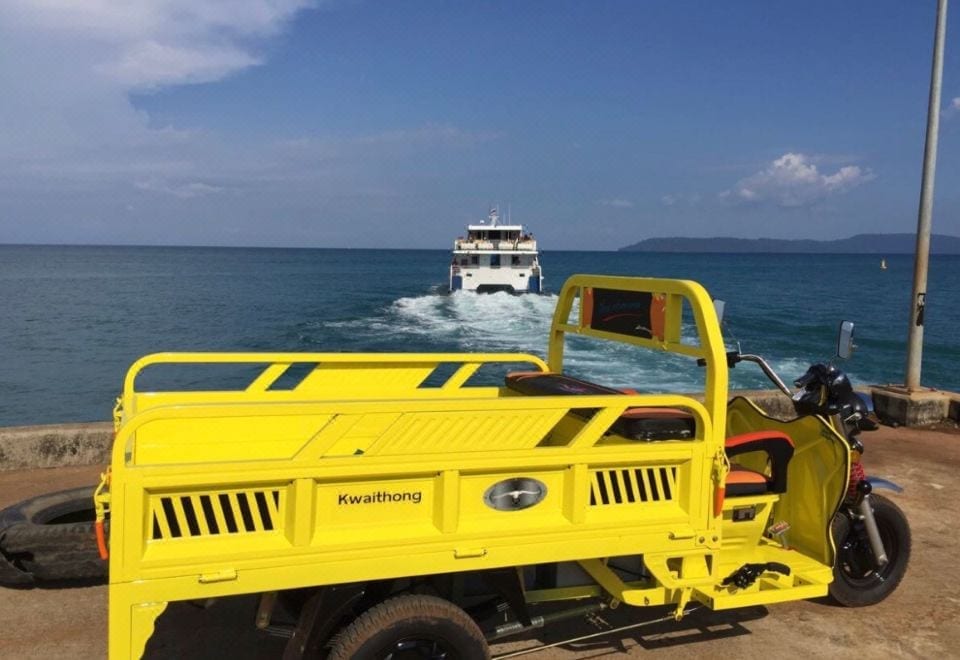
Location and getting there — Naivacha Tent sits on Ao Daeng Beach (Ao Daeng / Red Bay), Moo 1, Koh Mak sub-district, Koh Kood district, Trat province. The name Ao Daeng (Red Bay) comes from the beach's distinctive reddish-brown sand mixed with stone, different from the white-sand beaches on the Ao Kao or Ao Suan Yai side. The location's strong point is that it is on the side that faces the sunset, with lovely views, and it is fairly quiet because it is not in the most densely built-up accommodation zone of the island. In terms of distance, it is not far from key central spots such as Wat Koh Mak, the Koh Mak Museum and the restaurants in the middle of the island, all reachable by bicycle or motorbike in a short time. Getting to Koh Mak itself means taking a boat from Laem Ngop Pier in Trat, with both a speed boat that takes around 45 min–1 hr and a slower but cheaper ferry. Once you reach the pier on Koh Mak, the property usually helps arrange a transfer. One thing worth knowing is that Koh Mak is a small island that keeps things simple, with some roads being dirt tracks or narrow lanes, so renting a motorbike or using the bicycles the resort provides is the most convenient way to get around. Another thing to plan for is the monsoon season (roughly May–October), when this side of the sea can get strong wind and waves and some boat runs are cancelled, so check the boat schedule and weather before you plan.
"Sleeping in a tent but with cool air conditioning and an en-suite bathroom, waking up and opening the tent straight onto the sea, then sitting and watching the sunset on the quiet beach in the evening — so blissful. The owner and staff chat with you so warmly, like staying at a friend's place."
Room types and decor — the heart of Naivacha Tent is the air-conditioned luxury tents scattered around the beachfront coconut grove, around 10 of them, plus a few extra bungalows for people who want a solid-walled room. Each tent is about 31 square metres, which is reasonably spacious for this kind of stay. There are several types depending on the number of guests, including Double for 2 people, Twin with two single beds, and Triple with an extra bed for 3 people. Inside, the tents have a proper finished floor, a real bed with a soft mattress, air conditioning and, importantly, an en-suite bathroom, which clearly sets them apart from ordinary tent camping. The expectation to set correctly is that, in keeping with the low-carbon concept and the fact that these are tents, the rooms have no fridge and no TV, and outside sounds such as the wind, the waves or nature in general come through more clearly than in a concrete room — which is part of the charm for nature lovers, but something to think about for anyone who needs complete silence or soundproofed privacy. The overall decor is simple and natural in tone, designed to blend with the coconut grove and the sea rather than to look luxurious. Many reviews praise the tents for an atmosphere that punches above its price and for photographing beautifully, though some note the cleanliness and attention to detail in certain tents, which is understandable for an outdoor-style stay that has to contend with the island's natural humidity and insects.
Facilities and activities — even though it is a small, simple stay, Naivacha Tent provides a fair amount of what you need for a seaside break. A point many people love is the private beach in front of the property, which is quiet and uncrowded, perfect for lounging, reading or going for a swim. The property has kayaks, stand-up paddleboards (SUP), snorkelling gear and bicycles to borrow for free, which reviews mention positively because it lets you explore the coast or cycle around the island without paying extra rental fees. There is free Wi-Fi, free parking, luggage storage, a laundry service, and help booking tours or snorkelling trips to nearby islands. The overall atmosphere is all about calm and a slow life among the coconut grove, in keeping with Koh Mak's low-carbon image. At certain times the property also runs conservation activities such as a shared beach clean-up, which reflects its ethos well. What it does not have, and is worth knowing, is that this is not a resort with a swimming pool, fitness centre or full-service spa — the main place to swim is the sea in front of the beach, so anyone who needs a pool as a priority may want to consider a different kind of stay on the island instead.
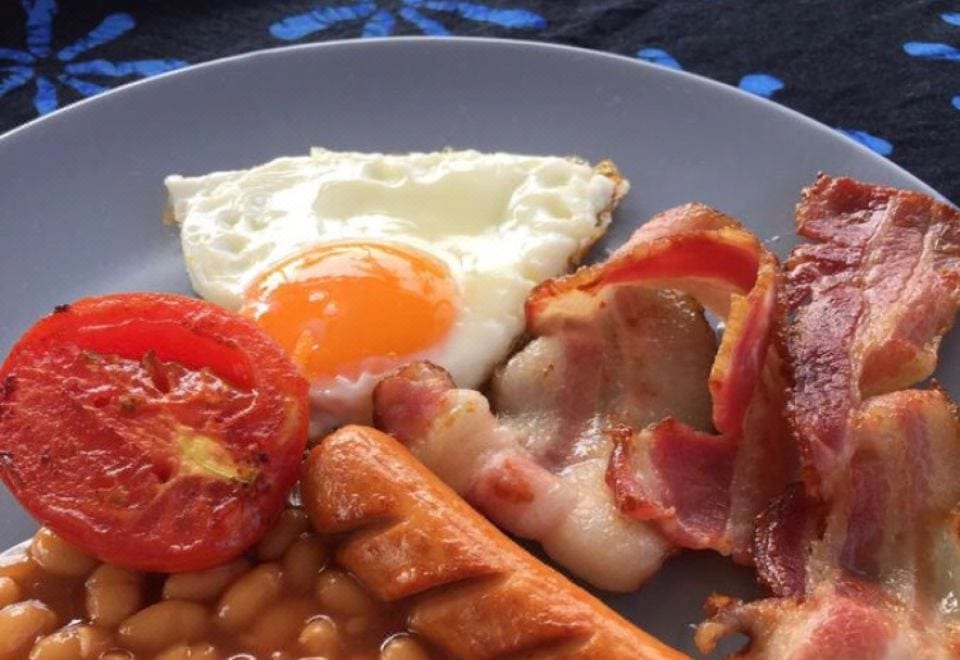
Food and dining — food at Naivacha Tent is simple but earns praise for what it offers. The thing reviews mention most often is the American breakfast, which many people say is fresh, delicious and generous, served in the morning from around 8 until late morning. Eating breakfast by the sea among the coconut grove is another thing that makes the meal memorable. That said, what you need to plan ahead for is that the property focuses mainly on breakfast, while lunch and dinner may not be a full service like at a big resort. So for other meals, most guests cycle or ride a motorbike out to restaurants in the middle of the island or other beachside spots scattered around Koh Mak, which include seafood places, made-to-order restaurants and small cafes with a nice atmosphere. One of the charms of staying on Koh Mak is getting to ride out to find a dinner spot and enjoy the views along the way. Anyone who wants dinner to be convenient should ask the property in advance whether they offer dinner during your stay, or have a backup plan for nearby restaurants, because on a small island some places close early, especially out of the tourist season.
Service and the owner — the thing at the heart of almost every Naivacha Tent review is an owner and team who look after guests warmly. International reviews mention the owner, named "On", and the team as friendly, easy to talk to, attentive, and ready to help with everything from arranging boats to recommending places to go and simply sitting and chatting like a friend. This kind of atmosphere makes many people feel they are staying at a friend's home rather than checking into a hotel, a charm that is hard to find at larger properties. Being a small stay also means thorough care and quick responses, because there are not many guests to look after at once. But to be straight about it, a small stay like this has its limits — if the owner or core team are away, some services may not run as smoothly as a hotel with several shifts of staff, and some standards may depend on when you go. Overall, service is a strong point that keeps this place's review scores at a good level.
What real reviews say (praise and gripes) — pulling together Trip.com, Booking.com and Tripadvisor, the picture is fairly consistent. On the praise side: a quiet beachfront atmosphere close to nature, air-conditioned tents that give the camping feeling without the hardship, sunset views over Ao Daeng Beach, a fresh and tasty breakfast, a warm and attentive owner and team, free kayaks, SUP and bicycles, and a low-carbon concept that appeals to nature lovers. On the watch-out side: what comes up is cleanliness and attention to detail in some tents, which some reviews felt was not as polished as expected, including one review that ran into an insect problem (termites) and had to move out. There are also things that come with the territory of a tent-style stay, such as outside sounds and seasonal insects, no fridge or TV in the room, and the limits on meals beyond breakfast. Most of these points are things you can manage by setting your expectations to match the nature of a glamping stay, rather than being serious flaws. The latest review scores are around 8.4 on Trip.com and around 8.6 on Booking.com, which is good for a small stay of this kind.
"Loved the natural feel and the beachfront atmosphere so much, and the owner is lovely and looks after you well. My one gripe is that the tent we stayed in wasn't as spotless as I'd hoped, and there were a few insects, as you'd expect at a stay next to a garden. Next time I'd come prepared for that."
Price and value — Naivacha Tent's starting price is around THB 2,000/night for a standard tent, with promotions bringing it down further at certain times. The price rises with tent size, the number of guests, and festival periods or long weekends when Koh Mak fills up fast. Compared with other beachfront stays on Koh Mak, this price level sits in the middle range — cheaper than the high-scoring beachfront bungalow resorts like Lazy Day or pricier upscale resorts, but offering a different experience: glamping tents you don't find everywhere. The value here is not about luxurious materials but about the experience of sleeping in a beachfront tent with air conditioning and an en-suite bathroom, plus free water sports gear and bicycles that genuinely save money during your trip. If you value the atmosphere, the quiet and the owner's warmth more than luxury, the money you spend here feels well worth it for the feeling you get back. But if you measure value by room size, hotel-level cleanliness and a full set of in-room amenities, there may be other options that suit you better at a similar budget.
Things to know before you book — a few things help make the stay smoother. One, set your expectations to match a glamping tent — there really is air conditioning and an en-suite bathroom, but no fridge or TV, and you'll hear nature more clearly than in a concrete room. Two, if you worry about insects or humidity, bring mosquito repellent, ask about the condition of the tent you'll get, and photograph and report any problem to the property right away, because a small stay usually fixes things quickly once they know. Three, plan your meals ahead — breakfast is provided, but ask about lunch and dinner, or plan to eat at restaurants around the island. Four, book your boat tickets from Laem Ngop Pier and check the boat schedule in advance, especially during the monsoon when some runs may be cancelled. Five, make the most of the free kayaks, SUP and bicycles, because they're a highlight that makes exploring the island more fun without adding cost. Six, this kind of stay has a limited number of tents, so during high season (November–April) and long weekends you should book ahead and compare prices across several platforms.
The verdict — from all the real reviews, Naivacha Tent Koh Mak is the stay that suits people who want to try sleeping in a beachfront glamping tent with air conditioning and an en-suite bathroom, in a calm, quiet setting close to nature. Its strengths are the Ao Daeng beachfront location on the sunset-facing side, the low-carbon concept, the praised breakfast, the free water sports gear and bicycles, and above all an owner and team who look after guests warmly like friends. If you're looking for a hotel room that's spotless in every corner, with a pool, fridge, TV and full meal service, this may not be the answer, and you should consider a bungalow resort or a larger hotel on the island instead. But for a Koh Mak trip where you want something fresh and different, close to nature and with a warm, friendly atmosphere at an accessible price — Naivacha Tent is an option with its own distinctive charm that nature lovers will take to.
Summary from Booking & Agoda
- ✓ Quiet beachfront atmosphere close to nature, with lovely sunset views
- ✓ Air-conditioned tents with en-suite bathrooms, giving a comfortable camping feeling
- ✓ Warm, attentive owner and team
- ✓ Free kayaks, SUP and bicycles to borrow
- ! Cleanliness and attention to detail in some tents not as polished as a hotel
- ! A tent-style stay next to a garden, so seasonal insects and nature sounds are possible
- ! Rooms have no fridge or TV, and the focus is mainly on breakfast
- ✓ A low-carbon glamping tent concept that's hard to find on the island
- ✓ Fresh, tasty and generous American breakfast
- ✓ Quiet, uncrowded private beach out front
- ✓ Accessible price for the experience of sleeping in a beachfront tent
- ! No swimming pool, fitness centre or full-service spa
- ! A small stay, so some services depend on the timing and the owner
- ! Reaching the island means a boat ride, and some runs are cancelled during the monsoon
- 💡If you expect a spotless hotel room in every corner — this is a glamping tent next to a coconut grove where cleanliness and the finer details depend on how each tent is maintained → photograph and report any problem to the property right away, or choose a solid-walled bungalow instead.
- 💡If you must have a swimming pool, fridge and TV in the room — this place cuts those out as part of its low-carbon concept, with swimming mainly in the sea out front → if you really need a pool and a full set of amenities, consider a larger resort on the island instead.
- 💡If you worry about meals and getting around — the property focuses on breakfast, other meals mean heading out to restaurants around the island, and you have to take a boat from Laem Ngop → plan dinner and check the boat schedule in advance, especially during the monsoon.