🔄 Updated 21 Jun 2026
What makes Satun's southern Thai food special is the blend of Thai-Buddhist and Thai-Muslim cooking. The curry pastes are pounded fresh, heavy with turmeric and chilies, and stink beans (sator) and lukneang beans are available year-round thanks to the forest and sea right on the doorstep. We've picked the dishes you have to try, along with the in-town spots locals take out-of-town friends, with neighborhoods and prices as they actually show up in reviews.
Bold Southern Dishes You Have to Try
If it's your first time in Satun and you're not sure what to order, start with these three: gaeng tai pla, khua kling, and stink-bean shrimp. They're the three pillars of a southern spread, and together they tell you everything about Satun cooking in a single meal.
Gaeng Tai Pla (Fish-Innards Curry)
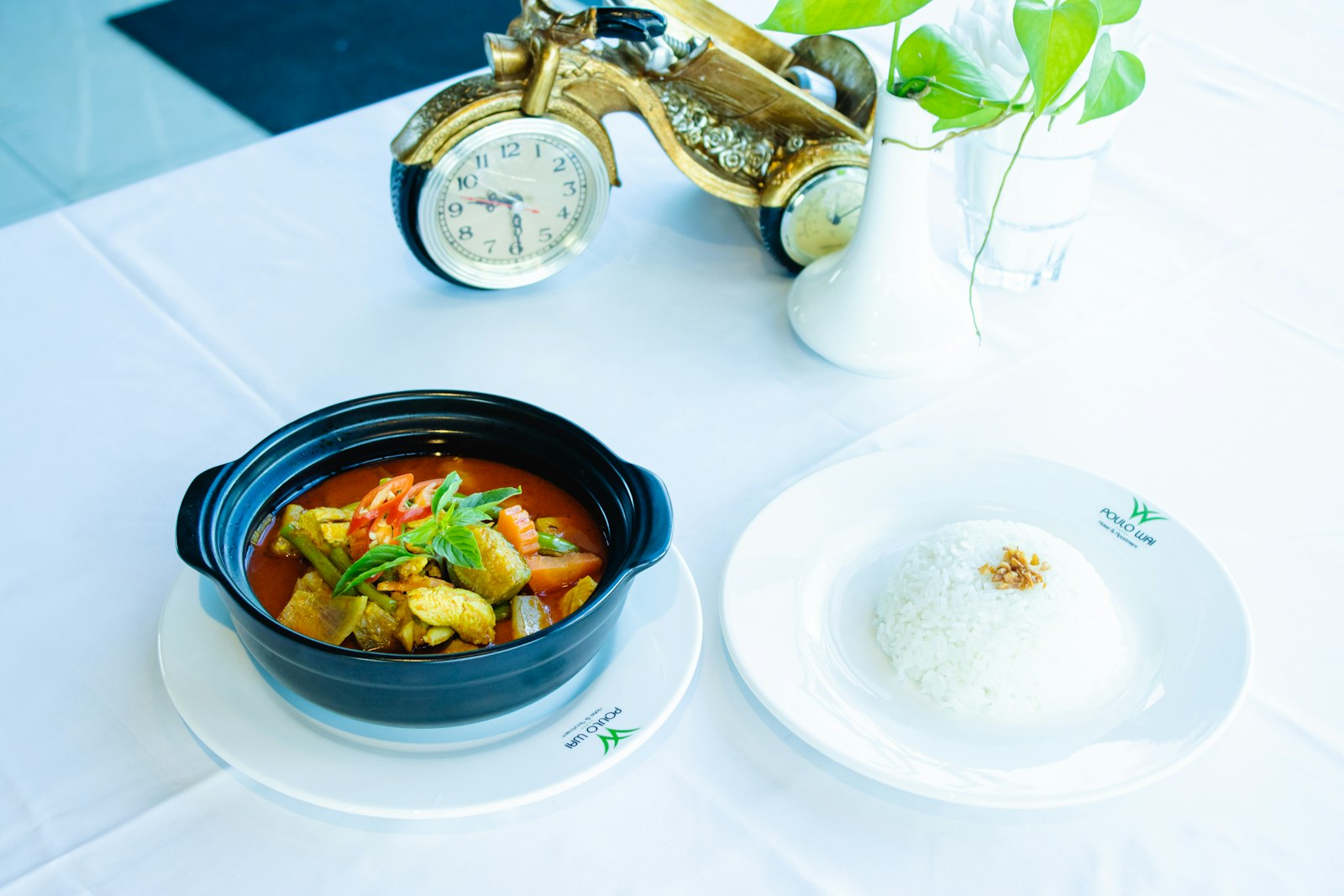
The star of any southern spread — a thick, intense curry built from fresh paste and salted fish innards, loaded with grilled fish, bamboo shoots, pumpkin, long beans, and eggplant. It's salty and fiercely spicy, the kind of dish you eat bite by bite with hot steamed rice. Some shops serve a drier version mixed straight into rice that's just as good.
Khua Kling
Minced pork or beef stir-fried with southern curry paste until dry and fragrant, fiery hot and cut with shredded kaffir lime leaf, with a clear hit of pepper and turmeric. Southerners always order it alongside steamed rice. It's genuinely spicy — the kind that has foreign visitors asking for more water.
Stink-Bean Shrimp (Goong Phat Sator)
Mature sator beans stir-fried with fresh shrimp and shrimp paste — salty with a touch of sweet and a bird's-eye chili kick. The sator smell is strong: people who love it are hooked, and those who don't just look away. Satun has the edge here, with fresh sator and sea shrimp arriving daily.
Khanom Jeen with Southern Curry
Fresh rice noodles topped with coconut nam ya or a paste-heavy nam ya pa, eaten with a pile of fresh and blanched veg — bean sprouts, pennywort, blanched sator. It's an everyday breakfast and lunch for people in Satun, and some shops make the noodles fresh every single day.
Southern-Style Gaeng Som
A yellow turmeric sour curry, far more sour and spicy than the central-Thai version. It's usually made with fish, shrimp, or tender young coconut shoots. Almost every southern restaurant in Satun has it on the menu, and it's often the dish that tells you how good a kitchen's curry paste really is.
Grilled-Shrimp Chili Dip + Fresh Veg
A deep, intense chili dip made from grilled dried shrimp, served with a spread of fresh and blanched vegetables — sator, lukneang beans, cucumber, long beans. It's the dish that keeps you eating rice through the whole meal.
Curry-Stir-Fried Cone Snails (Hoy Joob)
Cone snails stir-fried with southern curry paste, hot and spicy — the trick is sucking the meat out of the shell yourself. It's an appetizer Satun locals order to pick at while the conversation rolls.
Fish-Sauce-Fried Sea Bass / Sea Bass Tom Yum
Fresh sea bass from the Andaman, fried in fish sauce so it's crisp outside and tender inside, or done as a bold sour-and-spicy tom yum. It's the main dish locals put down on the table when they come as a group.
Gaeng Tomae (A Satun Breakfast)
A Malay-style local curry that Satun folks eat in the morning, deeply fragrant with curry paste and served with sticky rice or steamed rice. It's hard to find outside the area, so if you want to eat like a real Satun local you'll need to get up a bit early.
Sticky Rice with Salted Fish
Simple but genuinely good — hot sticky rice with fried salted fish. It's the grab-and-go breakfast Satun locals eat before heading out to sea or off to work, and you'll find it at morning markets and old-school local shops.
Tips for Ordering Southern Food
Real southern Thai food is spicier than you'd expect. If you're not great with heat, tell the shop "phet noi" (mild) or order extra rice to cut it, and don't skip the fresh veg on the side — it makes the whole meal much easier to get through.
Want to taste deeper? Try a Satun food tour or cooking class
Half a day with a local who knows the lanes — or cooking a dish yourself — teaches you more than just eating. Book ahead on Klook or GetYourGuide.
In-Town Spots Where Satun Locals Eat
These three are the spots locals tend to take visitors — covering bold southern food in a comfortable sit-down setting, fresh khanom jeen noodles, and a traditional breakfast. Opening hours and locations are based on the shopfronts and reviews, but it's worth a quick call before you go, since local spots adjust their hours.
Ran Nong Nee
A long-running southern restaurant in town, open for over 40 years. The standouts are khua kling, southern gaeng som, grilled-shrimp chili dip, stink-bean shrimp, and curry-stir-fried cone snails — and there's fresh seafood too. It's on Satit Yutitham Road near the Satun Provincial Court, open daily roughly 10:30–21:30.
Suan Lung Lee Fresh Khanom Jeen
A khanom jeen shop that makes its noodles fresh every day, in a shady garden-home setting, with plenty of nam ya to choose from — coconut, tai pla, green curry, sweet chili, and nam ya pa. Prices run from the low tens up to just over a hundred baht. It's in Khlong Khut, open 09:00–17:00, closed Mondays.
The In-Town Morning Market
If you want to eat the way Satun locals really do, get up early and walk the market. You'll find gaeng tomae, sticky rice with salted fish, bags of gaeng tai pla, and fresh veg to take home — all easy on the wallet, and a corner most tourists haven't reached.
How to Enjoy Satun's Southern Food
- Come as a group for the best value — order several shared dishes to split, like gaeng tai pla, khua kling, and stink-bean shrimp, then keep the steamed rice coming so you can taste across the whole range.
- Fresh veg is the heart of it — sator, lukneang beans, pennywort, cucumber, eaten alongside the chili dips and bold curries to cut the heat and add freshness.
- Breakfast is where it's at — gaeng tomae, khanom jeen, and sticky rice with salted fish usually sell from early morning into late morning, so don't show up too late or it'll be gone.
- Carry cash — many local shops and markets are mostly cash, so small bills will make life easier.
Plan a full eat-and-explore trip to Satun
See the Satun travel guide →