🔄 Updated 21 Jun 2026
If you come to Satun and only eat at your hotel, you're missing half the good stuff. The charm of this town is in its markets. Because it's a border town next to Malaysia, the Malay influence runs deep, so you get Malay-style khao yam, spiced khao mok, fish curries loaded with curry paste, and roti shops that stay open late. Almost everything is halal, so you can eat with peace of mind, and prices are still friendlier than in the big tourist cities.
Satun Muslim markets worth a walk
Satun doesn't have a giant night market like Chiang Mai or Phuket, but it does have daily markets spread across the week — easy to walk, never so crowded that you're squeezed in, and the food is what people in town genuinely eat. These are the markets to slot into your plan.
RareChantr Market
An evening market in town laid out in clear zones — halal savoury food, sweets, and drinks. Most stalls have prices on display, so it's easy to navigate on a first visit. Open and airy, with proper seating to sit and eat.
Satun Monday Night Market
An evening market that only buzzes on Mondays, when plenty of locals come out to eat and walk around. The food is varied and cheap, perfect if your trip lands at the start of the week. Just check before you go, since market days can change.
Satun Walking Street by Mambang Mosque
A Saturday evening market beside the central Mambang Mosque, mixing food and goods with a genuine community feel. One-plate meals, fried snacks, and local sweets to graze on as you go.
Chalung Market
A local-food market just outside town that Satun people treat as a legend in its own right. Known for beef khao mok, khanom jeen, and country dishes that are hard to find in town. Worth the short drive out.
A tip about days
Many of Satun's evening markets only come alive on certain days — Monday, Saturday, Sunday. Before you head out, double-check the market's page, because days and times can shift with the season and during the fasting month. If you come during Ramadan, the markets get especially lively after sunset.
Want to taste deeper? Try a Satun food tour or cooking class
Half a day with a local who knows the lanes — or cooking a dish yourself — teaches you more than just eating. Book ahead on Klook or GetYourGuide.
Malay-southern Thai dishes you have to try
Satun food is a cross between Malay and southern Thai kitchens — bold flavours, heavy on spice, big on coconut milk. Here are the dishes to try, ordered roughly by how exciting they are.
Khao yam (nasi kerabu)
Herbed rice tossed and dressed with budu (fermented fish sauce), topped with toasted coconut, lemongrass, shredded kaffir lime leaf, bean sprouts, and dried shrimp — sour, salty, and sweet all in one bite. A breakfast-to-late-morning plate that Satun locals eat as a matter of course.
Khao mok gai / khao mok nuea (chicken or beef biryani)
Fragrant yellow spiced rice served with slow-braised chicken or beef, drizzled with a sweet-and-sour ajat dip. Chalung Market is where many people swear the beef khao mok is best.
Roti + teh tarik
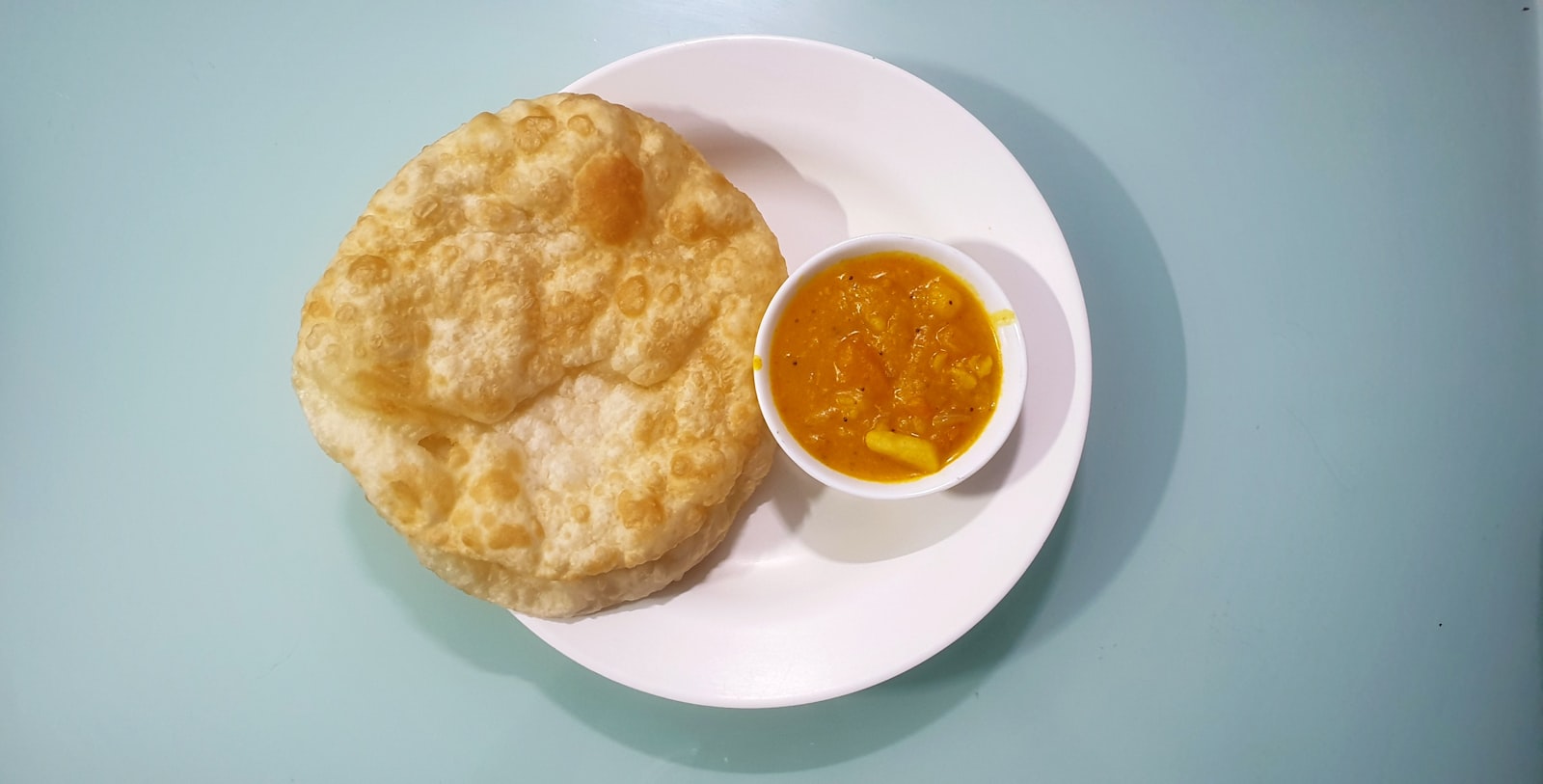
Crisp-outside, soft-inside roti eaten with sweet, creamy teh tarik (pulled tea), or dipped into Malay-style goat, chicken, or beef curry. A late-evening staple that tea shops in town keep serving for hours.
Khanom jeen nam ya pla / nam kaeng tai pla
Southern-style rice noodles in a punchy fish gravy or rich tai pla (fermented fish innards) curry, eaten with a big pile of fresh vegetables. The Chu-iad khanom jeen shop around La-ngu district is an old favourite people mention often, at roughly 20 baht a plate.
Goat curry / Malay beef curry
A heavily spiced Malay-style curry with tender braised goat or beef, soaked up with roti or steamed rice. The full-on spice aroma is the kind you rarely find in central Thailand.
Gulai ikan (spiced fish curry)
A Malay-style fish curry whose aroma and flavour are clearly different from central-Thai fish curries. A homely dish you'll find at local Muslim eateries and morning markets.
Morning dim sum
Satun shares the same morning dim sum culture as Hat Yai — pork siu mai, steamed buns, har gow, eaten with hot coffee. A filling, cheap breakfast before you head out.
Yellow sticky rice with chicken curry / pasmos
Sticky rice cooked yellow with spices, eaten with chicken curry or with pasmos, a local-style snack. A well-known dish you'll find at morning markets and merit-making events.
Straight talk
Satun food is bolder and more heavily spiced than many people are used to. If you don't eat much heat, just tell the cook you'd like it mild. And most markets are cash-first, so bring small bills — it's easier than waiting around to scan and pay.
A 2-day grazing plan to cover every meal
If you have two days in Satun town, here's an order that lets you eat from morning to late night without driving in circles. Line your trip up with a Monday or a Saturday-Sunday to catch the evening markets and the walking is most fun.
Morning in town, local eats by afternoon, market by evening
Head out of town for local food, then loop back
How to eat well and not miss out
- Carry cash and small bills — most market stalls still don't take QR payment
- Hit morning markets early — khao mok, khao yam, and local dishes often sell out fast
- Check market days — many evening markets only buzz on certain days, so don't show up after it's wound down
- Everything is halal — reassuring for Muslim travellers, and mostly pork-free
- Say how spicy you want it — local food is bold; ask for mild if you're not used to it
Want places to stay near Satun's food districts in town?
See Top 10 Satun hotels →