🔄 Updated 21 Jun 2026
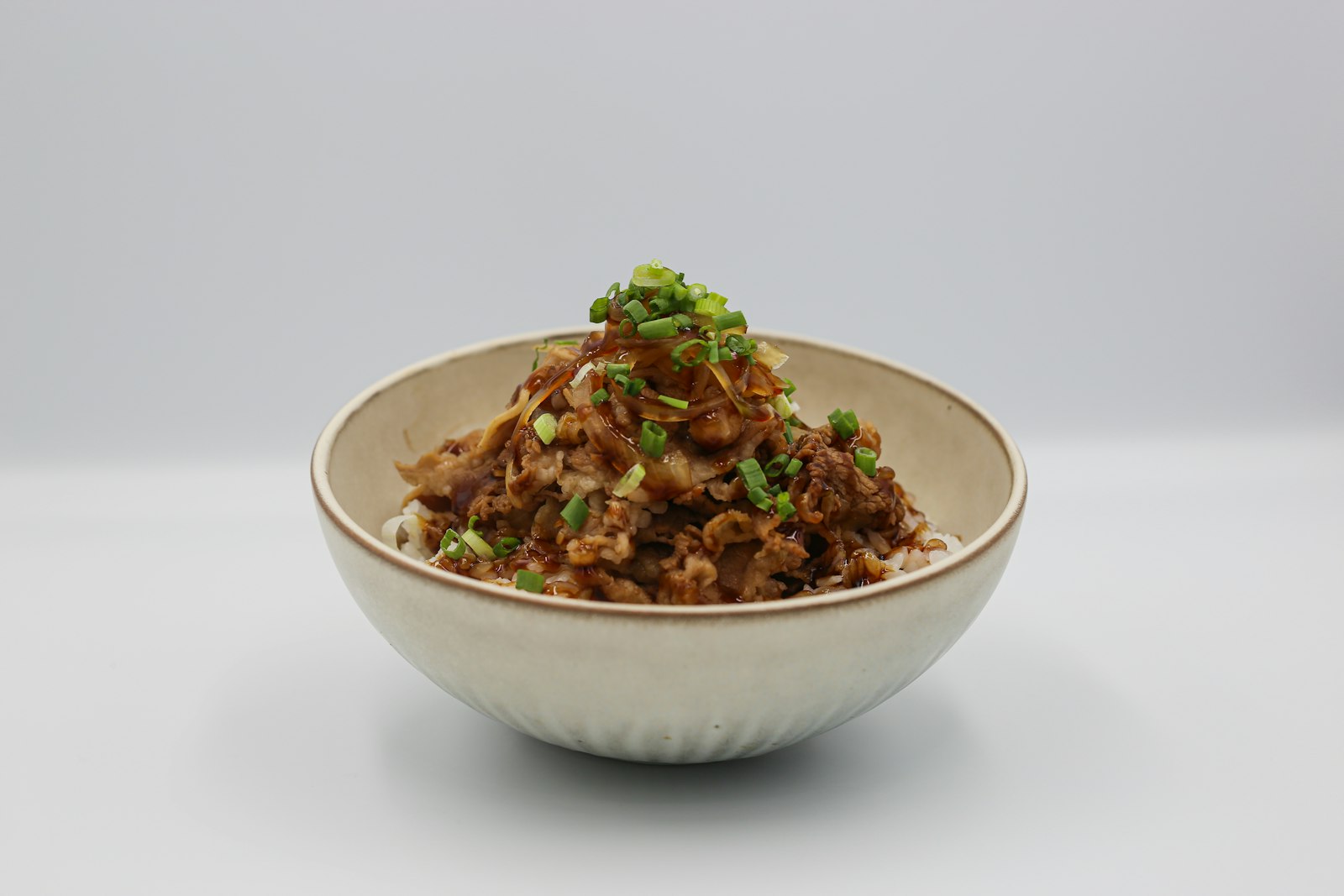
Despite the name, khao stew is nothing like the thick Western stew you might picture. What you actually get is a pale amber pork-bone broth — lightly spiced with a subtle five-spice character — with braised pork, ladled over steamed rice. It's light on the stomach but filling, making it an ideal breakfast before a morning walk through the old town. In Songkhla it functions as a town signature: the kind of dish you'll struggle to find anywhere else done quite the same way.
The back-story behind khao stew is genuinely interesting. The dish is said to have started from a Western-style stew, absorbed Malay spicing, and then adapted its ingredients to local Thai palates — resulting in a hybrid entirely its own. Many old shops pair it with oversized steamed buns (salapao), and together they have been the default Songkhla breakfast for several generations.
What Khao Stew Actually Is — and How to Eat It
Before hunting down the shops, a quick breakdown of the dish — because the name misleads a lot of first-timers.
- The broth — Simmered from pork bones and spices; some shops add a touch of coconut cream for depth and fragrance. Colour is light brown, texture clear (not thick), flavour gently sweet-salty, not intense.
- Your choice of protein — Lean pork, pork belly, crispy pork, and various offal cuts. Some shops also offer chicken; a few do a sea-bass version for those who don't eat pork.
- How it's served — Broth and protein ladled over a bowl of hot rice, finished with spring onion and coriander. Drink it hot; slurping the broth straight from the bowl is fine.
- Sides — Large steamed buns, Chinese-style sausage, or kaow yok (sweet pork with mustard greens) are common extras at older shops.
Honest heads-up
Khao stew is genuinely a morning dish. Most old-school shops open around 7 a.m. and often sell out by early afternoon. If you have a specific restaurant in mind, arriving before noon is the safe move. Turn up mid-afternoon and you may well find the shutters down.
Want to taste deeper? Try a Songkhla food tour or cooking class
Half a day with a local who knows the lanes — or cooking a dish yourself — teaches you more than just eating. Book ahead on Klook or GetYourGuide.
Khao Stew Shops That Songkhla and Hat Yai Locals Go To
This list is drawn from genuine review feedback and places locals go back to regularly — a mix of legendary old-town institutions and Hat Yai spots that are easier to reach if that's where you're staying. Prices are per bowl and may vary with ingredients and season. Always double-check days off before you visit: breakfast-only shops frequently take a mid-week break.
Kiadfang Khao Stew — Nang Ngam Road, Songkhla Old Town
The original khao stew shop in Songkhla, open since 1937 and now in its third generation. The pork-bone broth gets a touch of coconut cream that makes it noticeably richer. You can choose lean pork, crispy pork, or offal. The big steamed buns — stuffed with minced pork, salted egg yolk, mushrooms, and Chinese sausage — are legendary in their own right. The shop has been named an official Provincial Dish of Songkhla.
Kiadfang Khao Stew — Ramwithi Road Branch
A second Kiadfang location inside Songkhla proper, using the same family recipe and the same spiced broth. Stays open slightly later than the Nang Ngam original — useful if you arrive to find a long queue or an empty pot at the main shop.
Khao Stew Ad Hat Yai — Jiranakhon Branch
Hat Yai's answer to the Songkhla original: Hat Yai residents don't need to drive all the way to Songkhla to get their fix. Opens early and is known for its crispy-pork bowl — the all-crispy-pork order is the thing to get if you're a fan of the texture. Sits in a convenient alley near the centre of town.
Khao Stew Na Suan — Hat Yai
A khao stew shop near the entrance of Hat Yai public park (Gate 1). Lean pork, pork belly, crispy pork, and Chinese sausage all available. Easy on the wallet, and a natural stop before a morning walk in the park or the climb up Khao Kho Hong.
Old-Town Local Spots — Nakhon Nok / Nakhon Nai Roads
Beyond Kiadfang, the old town's smaller streets hide family-run stalls that the neighbourhood eats at without any fanfare. The broth is homely rather than polished, which suits some people perfectly. Walk around during the early morning while you explore the street art and old shophouses, ask someone nearby, and you'll likely stumble onto whichever stall is open that day.
Morning Market Stalls in Songkhla Town
Songkhla's fresh markets and morning markets usually have at least one regular khao stew stall where people stop on their way through the market. Fast, cheap, and genuinely local — no queues of tourists, just the actual neighbourhood eating breakfast. Good if you'd rather eat like a resident than seek out a famous name.
Kimyong Market Area Shops — Hat Yai
The Kimyong market district and the food alleys around the centre of Hat Yai have old-timer khao stew stalls that open for breakfast. Good for a quick morning bowl before shopping for souvenirs. Expect fragrant broth and fresh offal cuts. Within easy walking distance for anyone staying in central Hat Yai.
Sea-Bass Khao Stew (Pork-Free Option)
Several older shops — including Kiadfang — make a sea-bass version of khao stew for guests who don't eat pork or prefer something lighter. Fish replaces pork, the broth is a little gentler, and the fish itself is soft and mild. It's the kind of option you won't find at a regular khao stew stall, so worth ordering if the shop you're at has it.
How to order well
On your first visit to Kiadfang, try the mixed-pork bowl — it comes with both lean pork and crispy pork in a single serving so you get a sense of both. Add one large steamed bun to share. That combination covers the house specialty and the classic side in one go.
Why Kiadfang Became a Legend
When people in Songkhla say khao stew, the first name they think of is Kiadfang. The shop opened in 1937 — almost nine decades ago — and was started by a grandfather who had worked as a cook on foreign ships. He brought Western braising technique home, combined it with local spices and ingredients, and the recipe has been handed down to the third generation with the broth still made the same way: pork bones simmered long, coconut cream added for that characteristic warmth.
Alongside the khao stew itself, the oversized steamed buns are equally famous — filled with minced pork, salted egg yolk, dried mushrooms, and Chinese sausage, they're a meal on their own. The shop also does older dishes like kaow yok with mustard greens and Chinese-style sausage for those who want to order extra. Sitting on Nang Ngam Road in the middle of the old town, a bowl here makes a natural starting point before walking the heritage shophouses and street-art murals nearby.
Pairing Breakfast with Songkhla Old Town
Nang Ngam Road
The old-town street where Kiadfang sits. Sino-Portuguese shophouses, old-school dessert shops, and local snacks line the road — an easy, pleasant walk once your bowl is done.
Old Town Street Art
Murals painted on the walls of heritage buildings are scattered throughout the Nakhon Nok and Nakhon Nai Road area — popular photo spots. Morning light before the sun gets strong is the best time to shoot them.
Samila Beach
If you're staying in Songkhla, a short drive after breakfast brings you to the golden mermaid statue and Samila Beach for sea air and a slow morning by the water.
Before You Go
- Most old-school shops are breakfast-only: open from around 7 a.m. and sold out by early afternoon. Go late and you risk finding nothing left.
- Old-town shops are typically cash only — bring small bills to make it easy.
- During long weekends and festivals the queues at popular spots can stretch. Allow extra time.
- If you don't eat pork, ask for the sea-bass version (khao stew pla kapong). Some shops make it but quantities are limited — order early before it runs out.
Plan a full food-and-sightseeing trip to Songkhla and Hat Yai
Songkhla Travel Guide →