🔄 Updated 21 Jun 2026
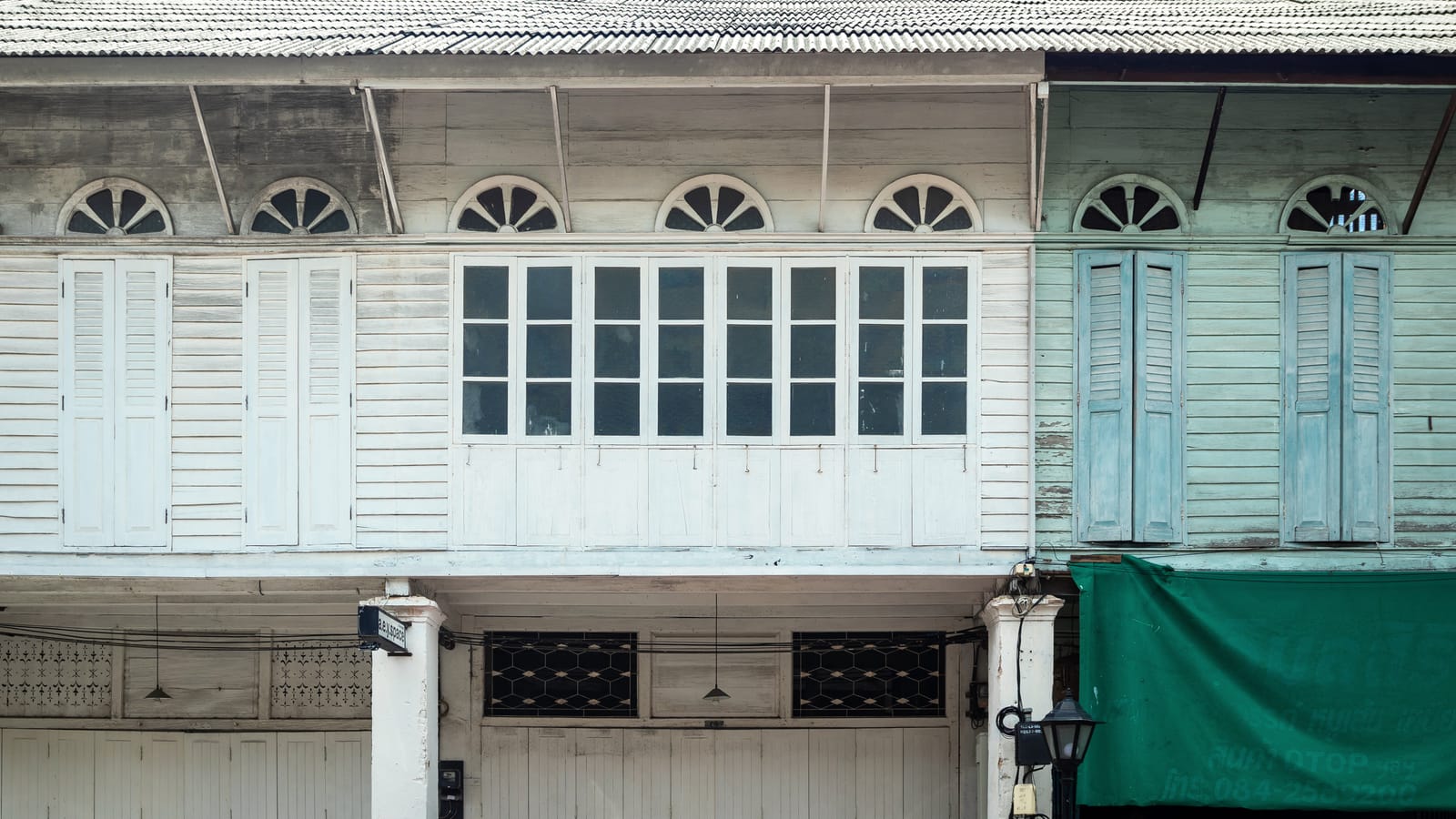
Songkhla Old Town sits on the Bo Yang side of the city, along the shore of Songkhla Lake. This community is over 200 years old. Originally it had just two streets: Nakhon Nok (the outer road running beside the lake) and Nakhon Nai (the inner town road). A third street was later added — first called "Nine-Room Road" because it started with only nine shophouse units. Then in 1935, Songkhla held its first beauty pageant, and the winner lived on this very street. Locals started calling it Nang Ngam Road ("beautiful lady road") and the name stuck. Wealthy Hokkien Chinese merchants who had grown rich from sea trade built the mixed Chinese-European shophouses that still stand today. Many have been converted into cafés, restaurants, and cultural spaces, but their original facades remain intact.
The most comfortable time to walk is in the morning, roughly 8:00–10:00 AM — the sun is still gentle, the light is soft and flattering for photos, and the old food stalls are just opening. Late afternoon from 3 PM onward is the other good window, once the heat starts to ease off. Weekends and public holidays bring noticeably larger crowds, so if you want clear shots of the streets and murals, come on a weekday or arrive early.
The Three Old Streets — How to Cover All of Them
The heart of the old town is these three parallel streets, connected by short side lanes. Park once and you can walk the entire area on foot. Each street has its own character — knowing that upfront helps you walk in a way that suits your priorities.
- Nang Ngam Road — the busiest and most lively of the three, with the densest concentration of food stalls, cafés, and street art. Best used as your main walking spine.
- Nakhon Nai Road — where you'll find the most striking Sino-Portuguese shophouse facades, along with Baan Nakhon Nai and several cultural spaces. Slightly quieter than Nang Ngam.
- Nakhon Nok Road — the lakeside street. At the far end sits the red Hub Hoh Hin rice mill and a waterfront landing. Walk it last and you'll end with views over Songkhla Lake.
Want more out of Songkhla? Book tours & activities
Booking online ahead on Klook or GetYourGuide is usually cheaper than the gate and skips the queue. Pick only the experiences you actually want — prices and availability are shown live on each site.
Sino-Portuguese Shophouses — Architecture Walk
The first thing that stops you in your tracks is the row of shophouses on either side of the streets. The area has a mix of traditional Chinese wooden shop-houses, classic Hokkien Chinese row houses, and Sino-Portuguese buildings that blend European stucco detailing with Chinese construction. Many still have their original shop signs, wooden shutters, and decorative floor tiles. The finest concentrations are on Nakhon Nai Road and along the middle stretch of Nang Ngam. Walk slowly and look up — the most intricate details are always above eye level.
- Baan Nakhon Nai — on Nakhon Nai Road, a white Sino-Portuguese building now used as a local cultural learning center. Displays of antique objects and historical photographs, and the building itself is worth photographing.
- Mid-stretch of Nang Ngam Road — a row of multicolored shophouses side by side, ideal for an angled shot showing the colonnaded walkway receding into the distance.
- Nakhon Nok Road shophouses — some face directly onto the lake, with an atmosphere that still echoes the old maritime trading quarter.
Street Art — Mural Hunting Along the Walls
The Songkhla municipality and local artists have filled walls and building corners throughout all three streets with murals. The densest cluster is around the intersection of Nang Ngam and Yariang roads and the surrounding area. Most of the work depicts old Songkhla life — children playing in water, vendors carrying their goods on shoulder poles, lakeside scenes. Hunting for them as you walk is genuinely fun, and it's completely free, a natural complement to admiring the architecture. Street art maps are posted at various points around the neighborhood — grab one so you don't miss the standout pieces.
Photography tip
Several of the murals face walls that get direct midday sun — shoot them then and you'll get harsh light and sharp shadows. Come before 10 AM or after 3 PM, when the angled light is softer and brings out both the colors of the murals and the warm tones of the old buildings.
Red Rice Mill, Shrine & Key Landmarks
Beyond the shophouses and street art, the neighborhood has several stops with real stories behind them. Most are within easy walking distance of each other and don't require much time individually, but they add depth to the walk and help you understand how the city grew.
- Hub Hoh Hin Rice Mill (Red Rice Mill) — a century-old rice mill at the far end of Nakhon Nok Road, right on the lake. The red-painted building is one of the most photographed landmarks in Songkhla. Currently used by a local conservation group; you can photograph the exterior anytime.
- Songkhla City Pillar Shrine — on Nang Ngam Road, a beautiful building blending Chinese and Thai architectural styles. Inside is the city pillar, which is deeply revered by locals. You can go in to pay your respects and look around.
- Phathammarong Museum — the birthplace of former Prime Minister Prem Tinsulanonda, displaying personal items and photographs. Open 08:30–16:30 (closed Mondays and public holidays).
- Lakeside promenade on Nakhon Nok Road — a brick walkway shaded by trees, with street art and lake breezes. A good spot to sit down and wind down at the end of the walk.
Honest heads-up
The Phathammarong Museum is small and you'll get through it quickly — it's best suited for people with a genuine interest in PM Prem's life or in old residential architecture. If your time is limited and you're mainly here for shophouses and street art, skipping it is fine. The red rice mill and the City Pillar Shrine, though, are two stops worth making time for.
Classic Street Food on Nang Ngam Road
Nang Ngam Road is the street food heart of the old town. Many of these stalls have been run by the same families for multiple generations and are still going strong. You can eat and shoot photos at the same time without rushing. We've picked out the places that get the most consistent word-of-mouth and are still actually open, ranked roughly in order of what's most worth trying first. Prices are approximate ranges from customer reviews and may vary by dish.
Kiart Fung Rice Stew (Khaao Satuu Kiart Fung)
A Nang Ngam Road institution open since 1937, now in its third or fourth generation. It's been recognized as a heritage local dish. The draw is the rice stew — pork, chicken, and offal simmered in an aromatic spiced broth — alongside red pork with crispy pork and oversized steamed buns. You eat in an old wooden room that smells of another era entirely. Starting your morning here is about as immersed in old-town atmosphere as Songkhla gets.
Clay Pot Ice Cream (Nang Ngam Road)
The signature bite you have to try on Nang Ngam Road. Traditional coconut milk ice cream scooped straight from a clay jar — rich, sweet, and creamy in the old-school way. You can get it in a cup or tucked into bread. Refreshingly cold between stretches of walking in the heat, and priced so low it barely feels like spending money. A long-standing Songkhla favorite.
Pa Juab's Tao Khwa
A veteran tao khwa stall that Songkhla locals will vouch for. Think of it as a Southern-style salad: rice noodles, fried tofu, pork belly, boiled egg, and shrimp, all dressed in a sweet-sour dipping sauce. Lots of toppings, all mixed together — the flavors pull together surprisingly well. This is a regional dish you'll struggle to find anywhere else.
Pa Mon's Charcoal-Baked Egg Cakes (Khanom Khai)
Butter-filled egg cakes baked on a charcoal stove — an original Songkhla style that's hard to find anywhere. The charcoal scent alone is worth stopping for. Eat them with a hot coffee as you walk, or pick up a batch to bring home. Made fresh and visible right at the stall.
Hammer Fried Chicken
A popular fried chicken spot in the Nang Ngam area that draws a queue for its crispy, fragrant batter and juicy meat inside. Eat as you walk or grab a bag to go. One of the most-reviewed street food stops in this neighborhood.
Kiam Yi & Traditional Sweets
Rare traditional sweets like kiam yi and old-style syrup desserts pop up at a few spots around the neighborhood. These are the flavors that older Songkhla residents grew up with. Worth sampling as you wander Nang Ngam Road.
Tai Toon (Toast Café)
A newer café in the area that's getting attention for its generously filled toast and cold drinks. Relaxed atmosphere, good for ducking in to cool off mid-walk.
Café Amazon Songkhla Old Town
Not a standard branch — this one is set inside a heritage Chinese shophouse that won an architectural conservation award. Renovated but keeping the old bones intact. Good if you want something familiar from a known menu inside a building with a real story. Air-conditioned and comfortable.
Eating strategy
Several of the old-school stalls open early and sell out before noon. If you want the rice stew at Kiart Fung or Pa Mon's egg cakes, get there before 11 AM. Snacks like the clay pot ice cream and fried chicken run through the afternoon, so save those for your afternoon walk. Bring cash — many of the traditional stalls don't take card payments. Newer cafés mostly accept QR code payments.
Cafés in Old Buildings — If You Want to Sit Longer
If you have half a day to a full day, you can cover all three streets — the architecture, street art, food, and cafés — at a relaxed pace without rushing. Split the day into two segments based on the sun and the opening hours of the food stalls.
Shophouses & Street Art + Classic Food Stalls
Escape the Heat in a Heritage Café + Optional Extras
Heritage Cafés — If You Want to Read On
Another draw of the area is the number of cafés that have opened inside restored old buildings — you sit and drink coffee in a room where the walls are still the original old plaster. Some are traditional kopitiam-style places with charcoal-brewed coffee, others are newer shops that have brought an old building back to life. If café-hopping is your main reason for coming, we have a separate Songkhla Old Town café guide that lists all the places currently open.
Old-School Kopitiam Coffee
Brewed through a cloth filter, thick and sweet-creamy, THB 20–40 a cup. Opens early, completely unpolished atmosphere. For anyone who wants to experience everyday Songkhla life before it gets dressed up.
Modern Café in Old Building
Espresso, lattes, cakes and pastries, inside a restored shophouse that photographs well. Prices THB 50–110. Opens late morning through evening — good for a long afternoon sit out of the heat.
Getting There & Good to Know
- From Hat Yai: about 30–40 min by car · from Hat Yai Airport about 45 min · from Samila Beach in central Songkhla about 10 min
- Parking: the streets inside the neighborhood are narrow and parking is scarce. Best to park in one of the lots on the outer edge of the area and walk in — all three streets are easily reached on foot from there.
- Cash: many old-school food stalls are cash only. Newer cafés mostly accept QR code payments. Carry some cash and you'll be fine.
- Wear walking shoes: you'll be on paved streets for a while. Bring an umbrella or hat — Songkhla is hot and humid most of the year.
Plan your full Songkhla trip — old town, beaches, and where to eat
Songkhla Travel Guide →