🔄 Updated 21 Jun 2026
Surin is known for elephants and silk, a southern Isan town where Khmer, Kuy, and Lao cultures blend together. Most people come for the Ban Ta Klang elephant village, the Khmer temples, and the annual elephant festival. The town itself is small and walkable in a day, but a lot of the good stuff sits outside the city, so you'll want a vehicle or a travel plan worked out ahead of time. We've put everything worth knowing before you go in one place.
When is the best time to visit Surin
The sweet spot is November to February, the Isan cool season: dry air and sun that isn't as harsh as the hot months. Daytime sits around 28–32°C and nights cool down to a comfortable 18–22°C. On the coldest December-to-January nights it can drop to about 15°C. It's ideal for walking the temples, browsing markets, and visiting the open-air elephant village without melting in the heat.
If you're aiming for the elephant festival, come in mid to late November, especially the third weekend of the month, since the main elephant shows run on that Saturday and Sunday. The hot season from March to May gets brutal, with daytime highs of 36–39°C and not much time you'll want to spend out in the sun. The rainy season from June to October brings showers in spells; everything turns green and lovely, but some of the roads into the village get slippery, so check the forecast first.
Quick take
Want easy, comfortable travel? Go in the cool season, November to February. Want the elephant festival? Come mid to late November. Either way, avoid walking around outdoors in the early afternoon during the April heat.
The November elephant festival, before you go
The Surin elephant festival is the province's biggest annual event, held in mid to late November. In 2025 it ran a long stretch from 15–26 November, with the main elephant shows on the weekend of 22–23 November at the Surin Provincial Elephant Show Stadium. More than a hundred elephants take part, with parades, elephant football, and a re-enactment of an ancient elephant-back battle. The elephant fair and the central stage run in town throughout the festival period.
- Tickets for the main show — there are free grandstand areas and pre-booked reserved seating. Check prices and book through the provincial channels early, because the good seats sell out fast on the Saturday and Sunday.
- Rooms fill up fast — during the festival, town hotels book out and prices climb. Reserve at least 1–2 months ahead. Book too late and you may end up staying in an outlying district or a neighbouring town.
- Get to the stadium early — the morning sessions are crowded and parking is hard to find. Leave extra time for the drive and the hunt for a spot; arriving about an hour before the show starts works well.
- The format can change with the situation — some years the festive activities or concerts are adjusted to suit national circumstances. In 2025, for example, the tone was adapted to a period of mourning. The main activities still run, but check the latest schedule before you go.
Straight talk
The town really comes alive during the festival, but you trade for crowds, traffic, and pricier rooms. If you're not specifically there for the show, visiting Surin outside the festival is more relaxed and cheaper, and you can see the elephants at Ban Ta Klang year-round anyway.
Getting to Ban Ta Klang elephant village
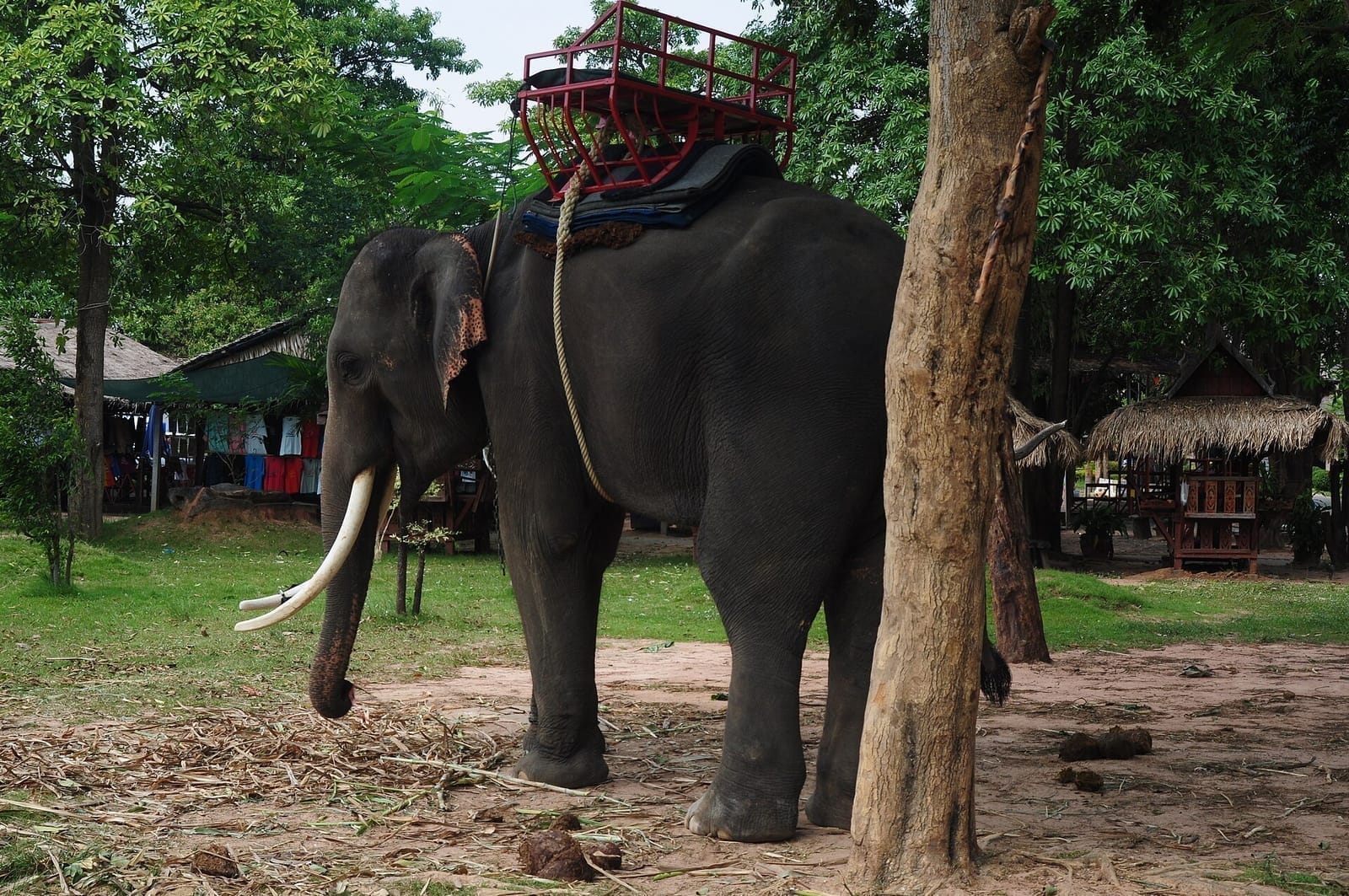
Ban Ta Klang elephant village sits in Krapho sub-district, Tha Tum district. It's a Kuy community that has raised and trained elephants for hundreds of years, and it's said to be one of the places with the most domesticated elephants anywhere. Inside you'll find the Elephant Study Centre, an elephant cemetery, and the day-to-day life of people and elephants up close. It's a good visit for the whole family.
- Distance — about 55–58 km from the city of Surin. Take Highway 214, the Surin–Roi Et route, then turn off toward the village. It's roughly a 1-hour drive.
- Opening hours — open daily 08:00–17:00. The elephant show runs twice a day, around 10:00 and 14:00, so plan to catch a session.
- Entry fee — around 50 THB for Thai adults, 10–20 THB for children, around 100 THB for foreign visitors (prices may change, so check on site).
- How to get there — the easiest option is your own vehicle or a rented car/motorbike in town. Public transport straight to the village is limited, so many people hire a car or take a half-day tour from the city.
Insider tip
To see plenty of elephants and catch the activities, arrive in time for the 10:00 or 14:00 show. The midday sun is strong, so if you're bringing kids or older relatives, the afternoon session is a touch cooler. And don't forget drinking water and a hat, since most of the area is open-air.
Chong Chom border market, can you go right now
Chong Chom is in Kap Choeng district, a permanent Thailand–Cambodia border crossing. Normally there's a border market selling Thai goods mixed with imports from Cambodia: food, spices, herbs, clothing, and cheap homewares. Many people stop here on the way through the southern part of the province.
Always check before you go
The current Thailand–Cambodia border situation means the opening and closing hours for the crossing and the market change often. At times it's cut back to just a few days a week and the atmosphere is quieter than usual. Before planning a Chong Chom trip, always check the latest news or ask local authorities, don't rely on the old hours, and have a backup plan in case the crossing is closed.
If you can go, the popular things to buy and take home are spices, dried goods, fabric, and cheap household items. It's fun to wander, but don't expect it to be as big as the famous border markets elsewhere. Think of it as a side stop rather than a main highlight of the trip.
Weather by season and what to wear
- Cool season (Nov–Feb) — warm and pleasant by day, cool to cold at night around 15–22°C. Bring a jacket or a light sweater, especially if you're heading out before dawn for a sunrise or a long drive.
- Hot season (Mar–May) — scorching at 36–39°C. Light, breathable clothing, a hat, sunglasses, sunscreen, and drinking water all matter a lot. Avoid being outdoors from midday to about 3pm.
- Rainy season (Jun–Oct) — showers in spells, so pack an umbrella or rain jacket and shoes with grip, and leave extra travel time, since some of the roads into the village get wet and slippery.
- Temples and Khmer ruins — dress modestly and carry a shawl for your shoulders and a wrap for your knees so you can enter everywhere without any trouble.
Things people often forget
A power bank, sunscreen, your personal medications, and cash. Many local shops and markets still mainly take cash, even though shops in town can take QR payments.
How much does a day in Surin cost
Surin is an easy place to travel on a budget, with food and lodging cheaper than the main tourist towns. Here's a rough daily range per person, not including the cost of getting here from another province.
- Budget — around 700–1,000 THB/day: a guesthouse or small hotel, eating at local spots, browsing markets, using public transport or a rented motorbike.
- Mid-range — around 1,200–2,000 THB/day: a mid-range hotel with a pool, eating at cafés and popular restaurants, renting or hiring a car out to the elephant village and the temples.
- During the elephant festival — add more on top: rooms cost more and fill up fast, so budget extra for lodging and show tickets beyond the usual.
- Local transport — a rented motorbike is around 200–300 THB/day, and hiring a sedan for a half-day to Ban Ta Klang runs around 800–1,500 THB depending on distance and how you negotiate.
How to get to Surin and get around in town
- Train — from Bangkok (Hua Lamphong / Krung Thep Aphiwat Central) there are several services a day, with fares starting in the low hundreds and a journey of about 7–9 hours. You arrive right in the centre at Surin station, a scenic and economical choice.
- Bus / minivan — from Mo Chit there are several operators, fares around 330–570 THB and a journey of about 6–8 hours, arriving at the Surin bus terminal.
- Plane — there's no airport in the province itself. Many people fly into Buriram and continue by road into Surin, about an hour and a bit.
- Getting around town — the town centre is walkable and bikeable. For places outside the city like Ban Ta Klang, the temples, and Chong Chom, rent a car or motorbike, or hire a driver, since public transport to those spots is limited.
If you arrive by train or bus without your own vehicle, renting a motorbike in town or hiring a car by the day is worth it and more flexible than relying on local buses with limited schedules.
What to eat and where to stop in town
Surin food is Isan with a Khmer influence, bold and punchy, with standouts like khanom jeen nam ya (rice noodles in fish curry), Vietnamese kuay jap, mu kratha (DIY grilled pork and hotpot), and the region's famous local jasmine rice. There's also a wave of newer cafés in town to chill at. Here are the places locals and travellers mention most often.
Ran Pranit Kuaytiao Mu
An old-school pork noodle shop going on twenty-plus years, with a steady, reliable hand. Locals have eaten here forever; it's an easy lunch you won't regret.
Hummingbird Studio
A town café with several soft-serve options and a relaxed place to sit. It opens early, so it's good for a stop before or after sightseeing.
For Foo Cafe
A café on one of the main town roads, cutely decorated, with nicely plated drinks and sweets. A good place to rest and duck out of the afternoon sun.
Surin Khanom Jeen Nam Ya
A local breakfast staple: rice noodles with a rich fish curry, eaten with fresh vegetables and sides. You'll find it at the morning markets and khanom jeen shops in town.
Surin Vietnamese Kuay Jap
Clear Vietnamese-style kuay jap noodles in a peppery, fragrant broth with egg and pork. Another breakfast favourite among Surin locals.
Town Mu Kratha
The dinner where Surin locals meet up. Spots are scattered all over town, the buffet price is friendly, and you leave full and satisfied.
Surin Evening Market / Walking Street
Wander and graze on evening street food, savoury and sweet plus plenty of Isan bites. Good for finding lots of different things to eat in one place.
Local Isan Restaurants
Som tam, larb, grilled chicken, bold and proper Isan flavours. Several places to choose from in town, best with a cold scoop of sticky rice.
Want the standout spots in detail with exact locations? Check the full Surin food guide.
See Surin food →A short itinerary to help you plan
If you have 2 days and 1 night, here's an unhurried way to lay out the days, focused on the elephant highlights and the old town. Adjust for the season and the festival period.
Town + elephant village
Khmer temples + souvenirs
Want a detailed hour-by-hour plan? See the full 2-day, 1-night itinerary.
See the 2D1N plan →