📝 Written 3 Jul 2026 · ✅ Fact-checked 3 Jul 2026 · prices and schedules can change — check with the operator before booking
Yala is Thailand's southernmost province, with Betong district as its most popular tourist town among Thai travelers. The number-one highlight is the Aiyerweng sea of mist, viewable nearly year-round from a glass-floor skywalk jutting out from a cliffside. There's also Piyamit Tunnel, a historic dirt tunnel; the giant mailbox and Southernmost of Siam sign, both check-in favorites; Betong's hot spring, hot enough to boil an egg; the Winter Flower Garden with its cool-climate blooms; Betong street art; Wat Phutthathiwat; and Bang Lang Dam-Hala Bala reservoir. Yala town itself is known for its spiderweb street plan and bird-themed street art.
Below we've rounded up the activities and sights reviewers mention most often, along with the best times to go and things to know beforehand. Catching the Aiyerweng sea of mist means a very early start — the skywalk opens around 5:30am — and the mist is thickest and most photogenic from March to April, though it can appear almost any time of year. Betong sits roughly 140km from Yala town along winding mountain roads, so budget extra travel time, arrange a car or book a tour, and check the latest local travel advisories before you go.
Aiyerweng Skywalk & Sea of Mist (Km.32, Aiyerweng Subdistrict, Betong)
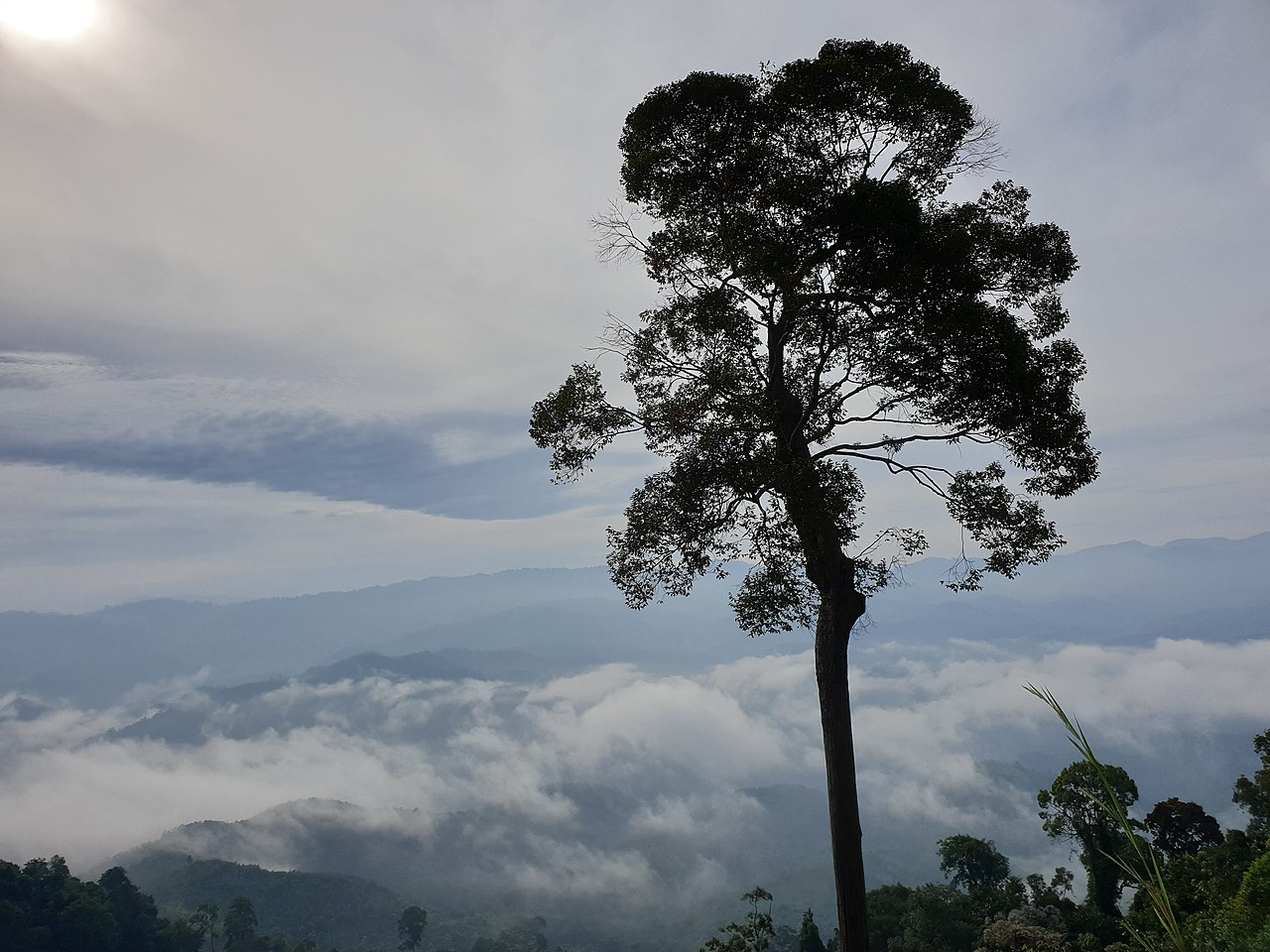
Aiyerweng Skywalk is Betong's number-one signature image. The skywalk itself is a walkway jutting out into open air, ending in a glass-floor platform where you can look straight down through to the treetops and valley below. It's built on Microwave Hill at Km.32 in Aiyerweng Subdistrict, roughly 2,038 feet above sea level. The real draw, though, is the sea of mist that blankets the valley each morning — locals call it the sea of mist of southernmost Siam, since this is the southernmost mist-viewing spot in the country. What makes it special is that the mist appears almost year-round, not just in the cool season like many other viewpoints. The thickest, most photogenic mist usually rolls in around March to April, but any clear morning offers a chance to see it, whatever the month.
Making it worthwhile means a very early wake-up. The skywalk opens around 5:30am, and you should arrive before dawn to catch the mist at its thickest before the morning sun burns it off. From Betong town it's about a 40-50 minute drive up winding roads, so many visitors book a Betong tour package with pickup while it's still dark, or stay overnight near Aiyerweng so they don't have to drive themselves. Admission is priced separately for Thai and foreign visitors, and if you want to walk on the glass floor you'll need shoe covers, sold at the entrance, to protect the glass from scratches. The viewpoint has two levels — a regular viewing deck and the glass platform — so there are several angles to shoot from. There's a coffee shop and rest area up top where you can sit comfortably and wait for the mist to settle in.
One thing worth being upfront about: the sea of mist depends entirely on weather conditions. Some mornings the sky is overcast or it's drizzling, and there may be no mist at all. Check the forecast and, if you can, allow for several mornings' attempts. During long weekends and holidays it gets crowded, with queues for photos on the glass floor — arriving early gets you a clearer shot. Mornings on the hill are quite cold and windy, so bring a jacket or warm layer. The road up is narrow and winding, so drivers need to take extra care, especially in the dark, and anyone prone to motion sickness should bring medication. Also remember this is a southern border area — check official announcements and ask your accommodation about the route before every trip.
- One of the few sea-of-mist spots viewable nearly year-round, not just in the cool season, plus a glass-floor skywalk with wide, striking valley views
- Most reviews say the morning view of mist and first light exceeds expectations, with several angles to shoot from across the two-tier viewing deck and glass platform
- Admission is inexpensive for Thai visitors, with a coffee shop and rest area on the hilltop for a comfortable wait while the mist settles
- The main landmark of Betong, easy to combine with other Aiyerweng sights and Betong town in a single trip
- The sea of mist depends entirely on weather — some mornings an overcast sky or drizzle means no mist at all
- Requires a very early start and the road up is narrow and winding, so drivers need care in the dark; holidays bring crowds and queues for glass-floor photos
- Located in the southern border region and far from Betong town — check the route and follow official announcements before traveling
Piyamit Tunnel, Betong — hand-dug earthen tunnel from the Communist Party of Malaya era + a thousand-year-old banyan tree

Piyamit Tunnel is an earthen tunnel hand-dug starting in 1976 by former members of the Communist Party of Malaya, used as a base to shelter from air raids, store supplies and weapons, and live during the fighting in the forested mountains along the Thailand-Malaysia border. The tunnel winds for several hundred meters total, with multiple entrances and exits and low ceilings in places — you can walk through it start to finish. Along the way, signs explain what each chamber was once used for, from meeting rooms to a medical room to storage areas, giving a clearer picture of the lives of the people who once lived here rather than just walking through a hole in the ground.
Beyond the tunnel itself, an exhibition building outside displays old photographs, weapons, tools, and belongings from that era, telling the story from the founding of the base through to the laying down of arms and return to civilian life. Many visitors who've reviewed it say the museum is well kept, the information panels are easy to understand, and it's a good spot to bring children to learn history that's rarely taught in the classroom. Nearby stands a massive thousand-year-old banyan tree with sprawling roots, complete with a bridge and walkway up into the canopy — another photo stop that almost everyone visits, since it sits along the same route as the tunnel and requires no extra driving.
A few things worth knowing honestly before you go: the inside of the tunnel is fairly dark, stuffy, and damp, with sections where the ceiling is low enough that you'll need to duck. Taller visitors or anyone with claustrophobia may feel uncomfortable. The walkway has steps and uneven surfaces in several places, so elderly visitors or anyone with mobility issues should consider this beforehand. Wear comfortable, non-slip shoes, since the floor can be damp from moisture. Mornings are cooler and less crowded than afternoons. The site sits about 15km outside Betong town with no convenient public bus service, so most visitors arrive by rental car, motorbike, or a Betong tour that combines Piyamit with other stops in a single day — factor in extra travel time on the winding mountain road.
- A genuine hand-dug earthen tunnel from 1976 that you can walk through start to finish, with signs explaining each chamber — both a sightseeing stop and a history lesson
- The exhibition building is well maintained, displaying old photos, weapons, and belongings from the Communist Party of Malaya era, with easy-to-understand information panels good for bringing children
- A massive thousand-year-old banyan tree with a canopy walkway sits along the same route — an easy add-on with no extra driving
- Inexpensive admission (~฿60 for Thai visitors) and rated the #1 thing to do in Betong on Tripadvisor
- The tunnel interior is dark, stuffy, and damp, with sections where the ceiling is low enough you must duck — uncomfortable for tall visitors or anyone claustrophobic
- Steps and uneven ground in several places mean elderly visitors or anyone with mobility issues should think it over before going
- About 15km outside town on a winding mountain road, with no convenient public transport — you'll need a rental car or a tour
Winter Flower Garden, Ban Piyamit 2, Betong — southern Thailand's only cool-climate flower garden

The Winter Flower Garden is southern Thailand's only cool-climate flower garden, located at Ban Piyamit 2, Tanoh Mae Rah Subdistrict, Betong District, Yala. Its defining feature is its location on a mountain roughly 800 meters above sea level, keeping the air pleasantly cool almost year-round — the condition that allows cool-climate flowers, normally found on hills in the north, to grow here in the south. The garden began as a royally initiated project, and inside it's arranged into colorful flower beds stepping down the hillside, with dozens of varieties of cool-climate flowers, plots of cool-climate vegetables and fruit, and photo spots set up along the way. Some sections offer a tram or boat service around the garden, good for anyone who doesn't want to walk far, or who's traveling with elderly relatives or young children.
Most visitors to Betong combine the Winter Flower Garden with nearby sights, since it sits along the same route as Piyamit Tunnel and Betong's hot spring, making it easy to fit into a half-day trip. The garden is open daily from 8am to 5:30pm, with admission in the low hundreds of baht per person; tram or boat rides are charged separately. The best time for blooming flowers and pleasantly cool air is late in the rainy season into cool season, roughly November through February. On Tripadvisor the garden holds an average rating of about 3.8 out of 5 from around sixty reviews, with most praising the cool air, colorful flowers, and a photo backdrop unlike anywhere else in the south — though some reviews differ, worth reading before you decide.
A few honest things to know before visiting. First, how impressive the garden looks depends heavily on the season and blooming period — some reviews from visitors who went off-season or during a flower changeover say the blooms were sparser than expected and some beds hadn't flowered yet, so it's worth checking the blooming schedule before traveling. Second, the garden isn't especially large relative to the admission price; many visitors say one to two hours of walking covers it all, so set expectations for a mid-sized flower garden rather than a sprawling park. Third, on the matter of getting there: the garden sits up a mountain away from Betong town on winding roads, and if you're not driving yourself you should arrange a hired car or local transport in advance, since public transport up to the garden is limited. Finally, weather on the mountain changes quickly — mornings and post-rain periods often bring mist and cool wind, so bring a light jacket, an umbrella or rain jacket, and shoes suited to sloped walking paths.
- Southern Thailand's only cool-climate flower garden, with air that's pleasantly cool almost year-round thanks to its location roughly 800m up the mountain, offering a different atmosphere from anywhere else in the south
- Dozens of varieties of colorful cool-climate flowers arranged in beds along the hillside, with photo spots set up throughout — great for photographers and families
- Tram and boat rides available around the garden, good for anyone who doesn't want to walk far or is traveling with elderly relatives or young children
- Sits along the same route as Piyamit Tunnel and Betong's hot spring, making it easy to combine into a half-day multi-stop trip
- How impressive the garden looks depends heavily on the season and blooming period — visiting off-season or during a flower changeover may mean sparser blooms than expected in some beds
- The garden isn't especially large relative to the admission price; many visitors cover it in 1-2 hours, so set expectations for a mid-sized garden
- Located up a mountain away from Betong town on winding roads — if you're not driving yourself, you'll need to arrange a car in advance since public transport is limited
Betong Hot Spring — natural mineral pools, boil an egg + foot-soak/full-immersion pools

Betong Hot Spring is a large natural hot spring in Tanoh Mae Rah Subdistrict, about five kilometers from Betong town. Water rises from underground at a scorching roughly 80 degrees Celsius, hot enough that visitors lower baskets of raw eggs into it to cook them right there by the spring — a signature experience almost anyone visiting Betong tries at least once. Around the spring, walkways, pavilions, and clearly marked zones separate the source pool, which is far too hot to enter, from designated foot-soaking pools and a mixed cool-water pool for full-body soaks. Many visitors say the mineral water helps relax sore muscles and leaves them feeling refreshed after a full day of sightseeing, making this a popular stop often paired with Piyamit Tunnel and the Winter Flower Garden on Betong tours.
Part of the appeal is that viewing the main spring is free — you can watch the water bubbling away, boil eggs, and soak your feet in the communal pool at no charge. Anyone wanting more privacy can use the private soaking pools or mineral bathrooms available at some spots for a modest extra fee, charged per person or per room. Eggs for boiling are sold for just a few baht each at the shop by the springs, with baskets provided to lower them in. The most popular times to visit are early morning, when the air is still cool and steam rises visibly, and evening before sunset, since soaking in warm water feels more pleasant in cool air than under harsh midday sun. Joining a tour that includes transport is more convenient than driving yourself if you're not used to Betong's mountain roads, since the approach to the springs runs along winding, sloped roads.
A few things worth knowing honestly before visiting. First, the source pool's water reaches roughly 80 degrees, hot enough to scald skin instantly if you accidentally dip a hand or foot in — watch the warning signs and keep young children close, and only enter pools specifically designated for soaking. Second, real reviews on Tripadvisor average around 3.1 out of 5; some note the soaking pools aren't as clear as expected, with sediment at the bottom and occasional floating leaves — worth accepting that this is a natural outdoor spring, not an enclosed spa with constant cleaning. Third, long weekends bring heavy crowds, and the foot-soak and pool areas may require waiting in line — an early weekday morning visit is more relaxed. Bring a change of clothes, a towel, non-slip sandals, and a bag for wet items. The faint sulfur smell in the air is normal for mineral water and nothing to worry about.
- Viewing the main spring is free, letting you watch natural mineral water at roughly 80 degrees bubble up from underground and try boiling an egg right there
- Both foot-soak pools and a mixed cool-water full-body pool are available for real soaking; many say it helps relax sore muscles after a full day of sightseeing
- Just about 5km from Betong town, an easy stop to pair with Piyamit Tunnel and the Winter Flower Garden in a single day
- Zones are clearly marked with walkways, pavilions, and private soaking pools/mineral bathrooms available for a small extra fee if you want privacy
- Source-pool water reaches roughly 80 degrees and can scald skin instantly — take extra care, especially with young children, and only enter designated soaking pools
- Real reviews on Tripadvisor average around 3.1 out of 5; some note the soaking pools aren't perfectly clear, with sediment and occasional floating leaves
- Long weekends bring heavy crowds with waits for the foot-soak and pool areas, and the approach road is a winding mountain route
Thailand's Largest Mailbox + Betong Street Art (walking Betong's old town, Yala)

Betong is the southernmost district in Thailand, tucked into a valley at the far end of Yala Province, and its best-known feature is the giant mailbox. The original was installed back in 1924 at the clock-tower intersection downtown — the story goes that it was built taller than usual to double as both a mailbox and a loudspeaker tower for broadcasting news in earlier times. A newer mailbox, standing about 9 meters tall, was later added along Sukyang Road near the community hall, and it's become a photo stop that almost everyone visiting Betong makes sure to hit. Both mailboxes are within an easy walk of each other in the old town, so you can cover both in one loop along with the clock tower and the shops around it.
Another charm of Betong that's gradually become well known is its wall murals scattered through the alleys of the old town. Many of the paintings depict the everyday life of Betong's people, blending Thai, Chinese, and Malay influences — Sino-style shophouses, old-fashioned coffee shops, morning markets, and people of different backgrounds who've lived side by side for generations. Hunting for these murals takes you down small alleys that tour buses never reach, giving you a real feel for the town rather than just standing for photos in front of a landmark. Along the way you'll also pass a temple, a mosque, and a shrine, all close together — a clear reflection of this multicultural town packed into just a few hundred meters of walking.
Since every stop here is public space in the middle of town, the whole walk is free with no admission. It's a good activity for a morning or evening when the sun isn't harsh, followed by stopping for coffee or snacks along the way. Betong is quite far from Yala town, so most visitors stay one to two nights in Betong and dedicate a day to this in-town walk combined with the surrounding nature spots — the Aiyerweng sea of mist, temples, and hot spring. If you're planning a Betong trip, booking transport or a town tour in advance helps connect these stops smoothly, since some points lie beyond walking distance and local public transport is limited.
- Betong's signature check-in spots — the two giant mailboxes and the alley murals — sit in one neighborhood, easily walkable together
- The whole walk is free, a good low-key activity for a morning or evening during your stay in Betong
- Walking the old-town alleys reveals the Thai-Chinese-Malay multicultural way of life up close, from Sino-style buildings to a temple, mosque, and shrine within a short distance
- Easy to pair with other Betong sights like the Aiyerweng sea of mist and hot spring in a single trip
- Betong is very far from Yala town and the main airport, requiring significant travel time and usually an overnight stay
- The sightseeing area is in the middle of town, so crowds and traffic can build up at times, meaning a wait for photos at the mailbox
- The wall murals are scattered across several alleys with no clear signage — you'll need to walk around or ask locals to find them
Southernmost of Siam Sign, Betong — a check-in spot at the southern border

The Southernmost of Siam sign stands at the end of Sukyang Road, about 7 kilometers from Betong town, right where Thai territory ends at the Betong-Bukit Berapit border checkpoint — just a little further and you're already in Malaysia's Perak state. The sign itself is a marble slab inscribed to mark this as the southernmost point of Thailand, making it a landmark that almost every car heading to Betong stops to photograph as proof of reaching the very edge of the southern border. Around it stand the checkpoint's archway and border-marker signs offering more photo angles, all set against a quiet hillside backdrop with pleasantly cool air, since Betong sits at elevation and mist is common.
This spot is free to visit and easy to reach, sitting right on the main road leading to the checkpoint. Most visitors arrive by private or rental car, and it's usually included on the same route as nearby sights like Mongkolrit Tunnel, the giant mailbox, and the Aiyerweng sea of mist. If you're not driving yourself, many Betong tour operators include this stop on their route. Aim for morning or evening for nicer light and cooler air. Carry ID or a passport, since this is a border-checkpoint area with officials present, which also gives peace of mind if you want to explore near the border line.
A few honest things to mention: the sign itself is purely a photo spot, with no facilities or activities beyond that, so most people spend just ten to twenty minutes here. During long weekends there may be a short wait to take a photo with the sign. Since it sits right at the border checkpoint, only photograph areas open to tourists and avoid wandering into restricted zones or areas marked with prohibition signs. Rain falls fairly often in Betong year-round, so keep an umbrella or rain jacket in the car, and check the weather before setting out, since the mountain road up has many curves — drive with extra care.
- Free admission, right on the main road to the checkpoint, easy to reach
- Marks the southernmost point of Thailand — a genuine keepsake photo at the marble sign proving you reached the edge of the border
- The checkpoint archway and border-marker signs offer several more photo angles, set against a quiet hillside backdrop with cool air
- Sits along the same route as Betong's main sights, easy to combine whether you're driving yourself or booking a tour
- A pure photo stop with no facilities or other activities — most visitors spend just ten to twenty minutes here
- Located right at the border checkpoint, so you must only photograph permitted areas and avoid anywhere marked off-limits
- Rain falls often in Betong and the mountain road up has many curves — allow extra time and drive carefully
Wat Phutthathiwat & Phra Mahathat Chedi Phra Phutthathamma Prakat (Wat Phutthathiwat & golden chedi, central Betong)

Wat Phutthathiwat is a Thai Buddhist temple in central Betong. Its main draw is the Phra Mahathat Chedi Phra Phutthathamma Prakat, a golden Srivijaya-style chedi standing roughly 39.9 meters tall, set on a hill so it's visible from many points around town. Smaller surrounding chedis encircle the main structure, adding to the grand overall effect, especially in the soft morning light hitting the gold surface. Many visitors say the chedi's silhouette recalls Wat Yai Chai Mongkhon in Ayutthaya. Inside, it enshrines Buddha relics brought from India, making it both a place of worship for locals and a stop for visitors passing through Betong. Admission is free, and the public is welcome to climb up to pay respects and take photos.
Another appeal here is that it's a city viewpoint requiring no extra travel, since the temple sits on a hill in the middle of town. Climb up to the chedi terrace and you'll see Betong nestled in its valley, ringed by green mountains — a view that photographs beautifully both morning and evening. Many people put this temple early in their Betong itinerary since it's close to town, just a short walk or drive from most accommodations, before moving on to the clock tower, street art, or the giant mailbox in the same neighborhood. Anyone planning an early start for the Aiyerweng sea of mist often stops here during the day as a shaded, peaceful break.
A few honest things to know before visiting: the chedi sits on a hill with a fair number of steps, so elderly visitors or anyone with knee trouble should take it slowly and rest along the way. Midday sun can be quite strong on the open chedi terrace, so bring a hat and water and consider avoiding noon if you'd rather not overheat. As this is a religious site, dress modestly — cover shoulders and knees — and remove your shoes when entering the building housing the Buddha relics. The temple grounds aren't especially large and there isn't much to do beyond this, so anyone expecting a sprawling complex may find it takes less time than expected. But viewed as a combined temple visit and city viewpoint on a Betong trip, it's well worth it and easy to reach, with convenient nearby parking and no admission fee.
- A golden Srivijaya-style chedi roughly 39.9 meters tall with smaller surrounding chedis, especially photogenic in the soft morning light on the gold surface
- Set on a hill in the middle of town, offering a view over Betong and the surrounding mountains without any extra travel
- Free admission, close to town with convenient parking, and walkable onward to the clock tower and giant mailbox
- Enshrines Buddha relics from India, serving as both a place of worship for locals and a stop for visitors
- The chedi sits on a hill with steps to climb — elderly visitors or anyone with knee trouble should go slowly and rest along the way
- The open chedi terrace gets quite hot at midday — avoid noon and bring a hat and water
- The temple grounds aren't large and there isn't much to do besides this, so anyone expecting a sprawling site may find it takes little time to cover
Chaloem Phra Kiat Rama IX Waterfall (Wang Mai Waterfall), Aiyerweng Subdistrict, Betong

Chaloem Phra Kiat Rama IX Waterfall, known locally as Wang Mai Waterfall, sits in Aiyerweng Subdistrict, Betong District, along Highway 410 between Yala and Betong, around the Km.33 marker. Its highlight is a stream cascading down a tall cliff face into a pool below, surrounded by shaded, humid forest. From the parking area, it's about a 700-meter walk in along a nature trail lined with a clear stream and tall trees blocking most of the sun, making the walk easier than it sounds. The waterfall area is split into several tiers, with rest spots and areas to wade in, good for anyone wanting a forest atmosphere without a strenuous climb. Best of all, it's free with no admission fee, making it a popular stop for anyone already touring the Aiyerweng area.
The waterfall's location puts it along the same route as Aiyerweng's famous sights, the sea-of-mist viewpoint and skywalk, so most visitors stop here in the late morning after coming down from the sea of mist at dawn. The most convenient way to get there is by private or rental car; the drive up to Aiyerweng from Betong town is roughly thirty-some kilometers along winding mountain roads. Without a car, hire transport or book an Aiyerweng tour that covers multiple stops in a day. The waterfall is fullest and most impressive in the rainy season, roughly May through December, while in the dry season the water thins out but the walking trail stays shaded and easier going. If you're set on seeing the falls at full flow, check the water level and weather before heading out.
A few honest things to know before going: the final 700 meters is a natural trail, with sections of dirt and rock that can get slippery after rain, so wear shoes with good grip and take extra care walking on rocks by the water. Long weekends bring sizeable crowds and limited parking, so arriving early helps. Facilities like restrooms and shops exist but are minimal, so bring your own water and snacks. Phone signal is weak in places, so let your accommodation or a friend know your plans. Since this is in Betong District near the border, it's best to visit during daylight and head back before dark, and please carry your trash out to keep the forest and stream clean for future visitors.
- Free admission, no fee — a worthwhile stop in the Aiyerweng area
- A tall cliffside waterfall in humid, shaded forest, with a cool atmosphere and photogenic setting
- The 700m trail is shaded by trees with a stream running alongside, an easier walk than expected with no steep climbing
- Sits along the same route as the Aiyerweng sea of mist and skywalk, easy to combine into a single day trip
- Water flow is thin in the dry season — check conditions and weather before going
- The final stretch of trail is dirt and rock that gets slippery after rain, requiring caution and grippy shoes
- No public transport access — a private car, rental, or hired tour is needed, and phone signal is weak in places
Bang Lang Dam boat trip, Hala-Bala reservoir (Bang Lang Dam & Hala-Bala reservoir boat trip)

Bang Lang Dam was the south's first hydroelectric dam, damming the Pattani River in Bannang Sata District, Yala, along the route that continues on to Betong. Above the dam lies a large reservoir formed by the impounded water, ringed by mountains and the still-pristine Hala-Bala forest. The draw here is taking a boat out onto the reservoir to enjoy calm views of open water and green mountain ridges, without the crowds typical of coastal tourist spots. Many travelers stop here en route to Betong to rest their eyes and take in the quiet scenery of inland Yala.
Boat trips are usually chartered with local villagers or community tourism groups rather than run on a fixed schedule like larger tour boats, so prices depend on group size, duration, and the agreed route. Ask and negotiate clearly with the boat owner beforehand, covering the destinations, time involved, and total boat fare. Some parts of the reservoir have especially still water that reflects the mountains beautifully, best photographed in the morning before the sun gets too strong and the wind picks up. The drive in to the dam also passes viewpoints and natural scenery in Bannang Sata worth a photo stop, making this trip well suited to relaxed travelers not chasing thrills but wanting the calm and clean air of the lower south.
A few honest things to keep in mind: this area lies within the three southern border provinces, so follow official announcements and travel updates, travel during daylight, and let someone know your plans. Boat service isn't available around the clock and usually needs to be arranged in advance through a community tourism group or by asking at the dam. During the rainy season, water levels and weather can change quickly, and some days bring winds too strong for boating — check conditions and always wear a life jacket. The road in to the dam winds through the mountains, so anyone prone to motion sickness should bring medication, and since facilities here are still limited, bring your own water, snacks, and insect repellent.
- A wide reservoir ringed by mountains and the Hala-Bala forest, offering calm, quiet views unlike typical crowded coastal tourist spots
- A convenient stop right along the Yala-Betong route, good for soaking up the natural scenery of inland Yala
- Morning visits bring still water with beautiful mountain reflections, great for photographers and anyone seeking a relaxed pace
- Boats can be chartered, splitting the cost cheaper per person in a group, with routes adjustable by agreement
- Located in the three southern border provinces, so travel updates and official announcements should be checked before traveling
- Boat service has no fixed schedule and usually requires advance arrangement and price negotiation with the owner
- Weather and water levels change quickly in the rainy season, with some days too windy for boating, and facilities remain limited
Exploring Yala Town — the spiderweb town plan, Bird City street art, and Wat Khuha Phimuk (Khuha Phimuk Cave Temple)
Yala town is a place many people talk about for its urban planning, since the town was designed with concentric rings resembling a spiderweb, with streets radiating out from a central roundabout into several layers of circles. Whether you walk or drive around, you'll notice the order of the streets here differs clearly from most other Thai towns. The center of the plan is around the city pillar shrine and a public park where locals come to walk and exercise, ringed by government buildings and commercial districts lined up along the circular streets. Anyone interested in urban architecture, or curious why Yala is considered one of the country's best-planned towns, will get a much clearer picture by walking it in person than by looking at a map.
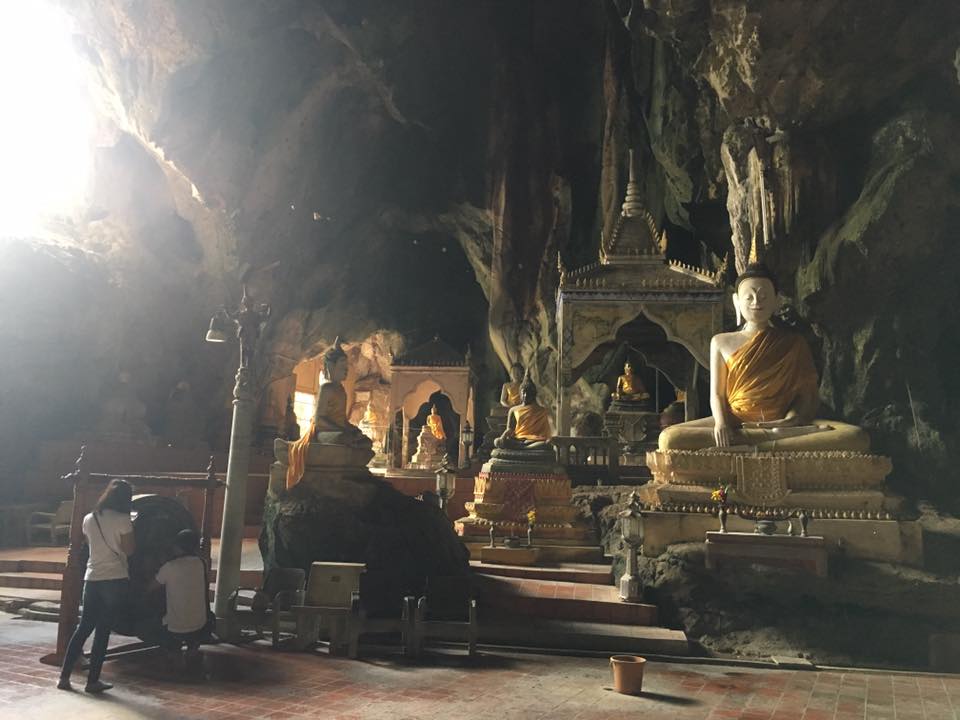
Another charm of Yala town is the street art painted on old building walls in the old town neighborhood. Many murals depict birds and themes tied to Yala's reputation for raising and competing with Java sparrows, earning it the nickname Bird City. Walking the alleys and streets of town, you'll come across large murals tucked into the walls, a favorite photo backdrop for locals and visitors alike. Cap off the trip with a drive about eight kilometers out of town to Na Tham Subdistrict for Wat Khuha Phimuk, known locally as Wat Na Tham. Its highlight is a large reclining Buddha enshrined inside a limestone cave — the cave interior is cool and bears traces of history tied to Buddhism from the Srivijaya period. Combine these three stops and you get a picture of Yala with an urban angle, an art angle, and a historical angle all in one trip.
A few honest things to know before going: all three stops are free, so the main cost is transport. Walking around town is comfortable, but the sun can be quite strong, so bring water and a hat. Wat Khuha Phimuk lies outside town, so without a private car you should rent one or hire a songthaew round trip, since public transport isn't frequent. Yala is in the three southern border provinces, so check travel updates and official announcements, plan to travel during the day, and allow extra time for checkpoints along the way. Inside the cave at Wat Khuha Phimuk the floor can be slippery and lighting dim in places, so wear comfortable shoes, and since it's a sacred site, dress modestly and respectfully. The most comfortable times to walk the town are morning and evening when the sun isn't as strong, and note that some street art may have faded or been repainted over time, so what you saw in an old review may have changed.
- Combines three sides of the town in one trip — the famous concentric-ring town plan, Bird City street art, and an old cave temple with a reclining Buddha
- All stops are free admission, with only transport as a cost — an affordable way to explore
- The town itself is easy to walk and photograph, with an orderly street plan and a park and city pillar shrine at its center
- Wat Khuha Phimuk houses a reclining Buddha inside a limestone cave tied to Srivijaya-era Buddhist history — both a place of worship and a natural cave to explore
- Wat Khuha Phimuk is about eight kilometers outside town with infrequent public transport — without a private car you'll need to rent or hire one
- Yala is in the three southern border provinces, so check travel updates and official announcements beforehand and allow extra time for checkpoints
- Midday sun in town is strong, and some street art may have faded or been painted over since older reviews were written
Where to stay for a Yala-Betong trip?
Most visitors stay in Betong town near the sights and restaurants, making the early-morning trip up to the skywalk easy. Compare prices across 3 sites before booking.
Search hotels on AgodaBook Activities & Tickets in Advance
Betong is far away with scattered sights, so booking a Betong tour or car in advance makes things easier and helps you catch the full morning sea-of-mist experience
💡 Know Before You Go: Yala-Betong
Aiyerweng Skywalk opens around 5:30am for the sea of mist and sunrise, so leave your accommodation well before dawn. It's cold, so bring a warm jacket. The mist is thickest March-April but appears nearly year-round. Admission is ฿40 for Thai visitors, ฿200 for foreign visitors
Betong is about 140km from Yala town along winding mountain roads, taking roughly 3-4 hours. Allow extra time, check your car's condition, and if you're not used to the route, consider booking a tour or hiring a local driver familiar with the roads
Betong Hot Spring is natural hot water at roughly 80 degrees, hot enough to cook an egg, with foot-soak and full-body wellness pools. It's a popular stop — be careful of scalding water, especially with children
Betong's sights and Bang Lang Dam are scattered outside town, so arrange a car or book a tour, plan your route in advance, and check the latest local travel advisories before setting out
How to plan a worthwhile Yala-Betong trip
A 3-day, 2-night trip is the most popular way to see Betong. Day one: drive up to Betong, stopping at Bang Lang Dam-Hala Bala reservoir, then reach Betong town for photos at the giant mailbox, street art, and Wat Phutthathiwat. Day two: wake up before dawn for Aiyerweng Skywalk and the sea of mist, then visit Piyamit Tunnel, the Winter Flower Garden, and Chaloem Phra Kiat Rama IX Waterfall around midday, followed by a soak at the hot spring in the afternoon. Day three: stop at the Southernmost of Siam sign before heading back. If you have time, visit Yala town for its spiderweb town plan and Bird City street art. Yala pairs well with a Pattani-Narathiwat trip too.
Ready for your Yala-Betong trip? Start by choosing where to stay in Betong
See Yala Hotels →