🔄 Updated 21 Jun 2026
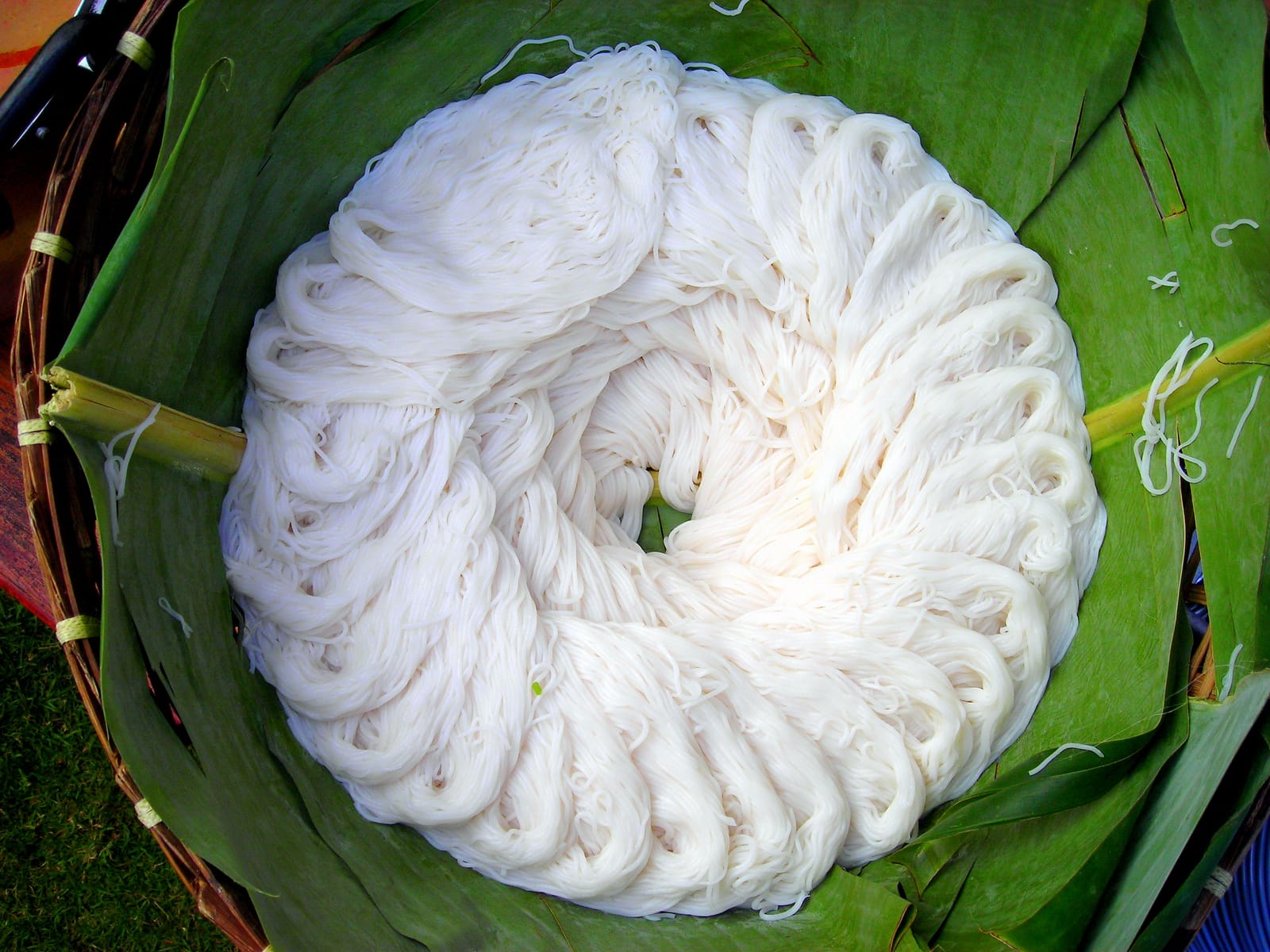
Mention Ubon food and most people jump straight to som tam and laab. But khanom jeen with nam ya is what people here eat almost daily, for breakfast and lunch alike. The appeal of Ubon's khanom jeen comes down to three things: fresh noodles made that day rather than held overnight, nam ya simmered until the curry paste turns deep and fragrant, and a spread of garden vegetables you scoop yourself. We've worked through the shops locals bring up most and that are still open to rank them out. Honest heads-up: plenty of these are shophouse counters or stalls inside a market — nothing fancy, but the nam ya is the real thing.
Ranking the Khanom Jeen Shops Ubon Locals Actually Eat
This order weighs the flavor of the nam ya, how fresh the noodles are, how consistent the shop is, and whether Ubon people keep coming back. Some shops are known for crab nam ya, some for jungle curry, and some are morning-market stalls that open before anyone else. Work through them and pick the one that suits you.
Khanom Jeen Nam Ya Pu — Nua Khao Nua Sen
The shop Ubon locals rank near the top for crab nam ya. The sauce is simmered down with a heavy hit of curry paste, the crabmeat is dense, and it's naturally sweet enough that you don't need to season it. The room is air-conditioned and comfortable, with several nam ya to choose from — crab, jungle curry, and coconut. People love that you can pick your own garden vegetables with no limit. Under 100 THB a head.
Hom Gaeng Khanom Jeen (Old Town area)
A khanom jeen shop Ubon people have been talking up lately. The standouts are crab nam ya and coconut mee. The crab nam ya is dense, fragrant with curry paste, and well-rounded, with soft fresh noodles. It sits in the Old Town and is easy to get to, open late morning into the afternoon — a good stop before wandering the old quarter and Thung Si Mueang.
Baan Khanom Jeen (Ubon)
A shop in Soi Ratchathani that makes several nam ya to choose from — jungle curry, coconut, green curry, and red curry. If you like to sample a few flavors in one sitting, this is your kind of place. The jungle-curry nam ya is fiery and full of curry paste, the noodles are fresh, and there's a big spread of vegetables. Homey, low-key, easy to settle into.
Khanom Jeen Nam Ya — Ubon University (Udom Sap Market)
A khanom jeen shop near Ubon Ratchathani University, inside Udom Sap Market, where students and people in the area eat regularly. The nam ya is rich, the noodles are fresh, and the prices suit a student budget. Delivery is available too. Handy if you're staying around Warin or the university side.
Baan Darika Khanom Jeen
A newer khanom jeen shop done up in a nostalgic, throwback style. The noodles are made fresh and the nam ya is simmered in-house, with both jungle curry and coconut on offer, plus fresh garden vegetables. A good fit if you want proper khanom jeen and a photogenic corner in the same shop.
Nom Jeen Ubon Ratchathani
A fresh-noodle khanom jeen shop Ubon people review often on social media. The draws are silky cotton-thread noodles and a fiery jungle-curry nam ya, with fragrant curry paste and good value — the kind of bowl that pulls you back. An easy, no-fuss spot to keep in mind when you want homestyle khanom jeen.
Mae Nang Mueang Chang Khanom Jeen
A khanom jeen shop that often sets up at the city's big events, like the Candle Festival. What people like is that you can order chicken noodle soup — a whole carcass and all — to go alongside your khanom jeen. The nam ya is rich with curry paste. A good choice if you want a filling, value-for-money plate.
Khanom Jeen Nam Ya Pu by Premium Box Meal
A shop where crab nam ya is the star — loaded with crabmeat, simmered until the curry paste turns fragrant, and well-rounded. It's served clean and is a good fit if you want crab nam ya in big, full mouthfuls. Boxed takeaway and delivery are both easy to arrange.
Khanom Jeen Nam Ya Pa — In-Town Morning Market
A khanom jeen stall in the in-town morning market that opens before everyone else — ideal for early risers who want a hot first meal. The jungle-curry nam ya is fiery and rich with curry paste, eaten with fresh vegetables the market has just brought in that morning. This is what eating khanom jeen like a real Ubon local feels like. It sells out fast by late morning.
Khanom Jeen Nam Ya — Warin Chamrap Market
Over on the Warin side there's a khanom jeen nam ya stall in the market that locals eat at regularly. The nam ya is savory and rich with curry paste, the noodles are fresh, and the prices are easy. A good fit if you're staying near the train station or on the Warin side and want a simple breakfast before you head off. Lively fresh-market atmosphere.
How to order it well
Most khanom jeen shops in Ubon let you scoop your own garden vegetables with no limit — bean sprouts, water spinach, lemon basil, yardlong beans, pennywort. Eaten with the nam ya, they cut the richness and add freshness. Order a different nam ya each and share, so you get crab, jungle curry, and coconut all in one meal.
Want to taste deeper? Try a Ubon Ratchathani food tour or cooking class
Half a day with a local who knows the lanes — or cooking a dish yourself — teaches you more than just eating. Book ahead on Klook or GetYourGuide.
How Many Types of Nam Ya, and Which to Order
Knowing the different nam ya before you order makes choosing easier. Ubon's khanom jeen leans on rich curry paste and fresh noodles. Here are the main sauces you'll run into at shops around here.
- Crab nam ya (nam ya pu) — the star at many Ubon shops. The sauce is simmered down with curry paste and crabmeat, naturally sweet from the crab, fragrant with paste, and well-rounded. First time in Ubon? Start with this bowl.
- Jungle-curry nam ya (nam ya pa) — a clear, fiery sauce with no coconut milk, built on curry paste and herbs. It's hot and goes right through you — the one Isan people tend to favor because it packs more punch than the coconut version.
- Coconut nam ya (nam ya kati) — a thick, mellow coconut sauce, fragrant with curry paste and soft on the palate. A good choice if you're not big on heat, and it pairs nicely with fresh vegetables.
- Fresh noodles vs. day-old — good Ubon shops use fresh noodles made that day, soft and silky with no sourness. If the noodles taste sour or turn rubbery, they've been held overnight. Shops that make their own noodles tend to have more bounce and a real rice-flour fragrance.
- Sides — beyond the garden vegetables, many shops have boiled eggs, crispy pork rinds, or fried vegetables to add on, for more flavor and texture in the bowl.
Which Neighborhood, Which Shop
Ubon spreads its good khanom jeen across several neighborhoods, and knowing the lay of the land makes it easier to plan a meal — especially if you're staying in town and want to walk or take a short ride to eat.
In Town / Old Town
Home to well-known shops like Nua Khao Nua Sen and Hom Gaeng. Easy to reach and close to most accommodation — a good breakfast stop before wandering Thung Si Mueang and Wat Thung Si Mueang.
Chayangkun / Ratchathani area
Comfortable sit-down khanom jeen shops with several nam ya to choose from, like Baan Khanom Jeen on Soi Ratchathani. Parking available — a good fit for families.
Warin Chamrap / Ubon University side
Cross the Mun River to the Warin side for market stalls and shops near the university. Easy prices, and a good fit if you're staying near the train station or want a stop before an early departure.
Straight talk
Plenty of morning-market khanom jeen stalls sell out fast by late morning. If you've got your eye on a market stall, going before nine is the safer bet. Some shophouse counters take mostly cash and close in the afternoon — Hom Gaeng, for instance, shuts at 5 pm. Check the hours ahead of time and keep some cash on you to make life easier.
Plan a full eat-and-explore trip to Ubon — where to stay, what to see, what to eat
See the Ubon Ratchathani travel guide →