🔄 Updated 21 Jun 2026
If grass jelly and slow-brewed coffee are the names everyone already knows, the sweets and desserts are the next layer down in Betong and Yala. Many of them are kitchen heritage from the Hokkien-Hakka Chinese who emigrated here and put down roots over a century ago; others are Malay-style coconut sweets made within the Muslim community. Both live in the same town, and they often sit side by side at the same morning market. We've picked out what's worth trying, where to find it, and how to pair it with a hot cup of coffee.
What are hu-sae piah and old-school Chinese pastries?
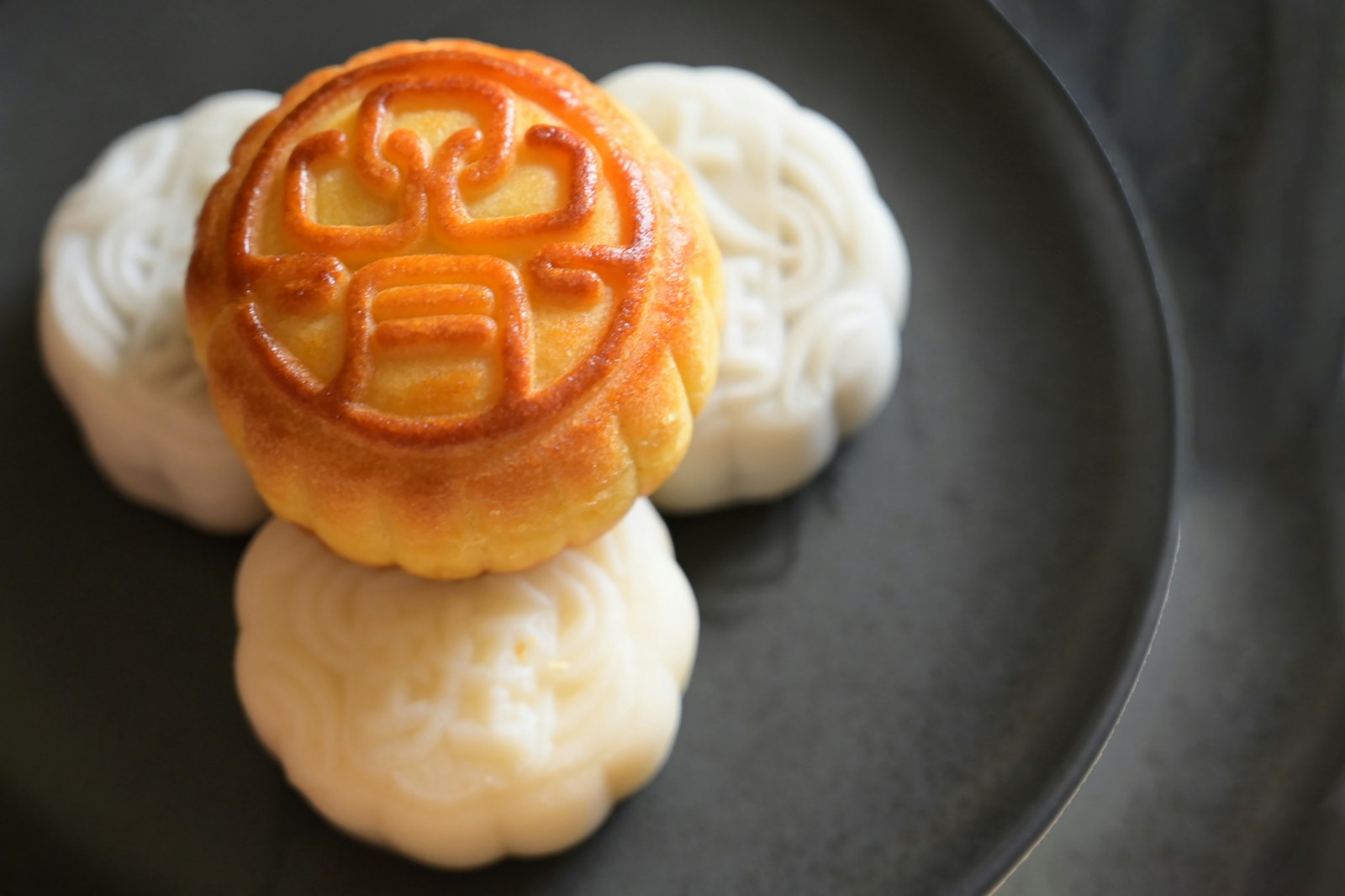
Hu-sae piah is the Hokkien name for a thin, many-layered pastry — the dough bakes up crisp and flaky in sheets, wrapped around a sweet, mellow filling. It's a world apart from the thick, soft mooncake-style pastry you find everywhere else. The trick is in the dough, which is rolled and folded over and over until it shatters into paper-thin layers; bite in and it crumbles, carrying the old-fashioned aroma of butter and lard. Fillings run from mung bean and taro to black bean, and during festivals a salted-egg-yolk version like a mooncake. Betong's are made by hand, one piece at a time, and baked fresh in batches.
- The dough — thin and layered, crisp and flaky, not thick and soft like a standard pastry.
- The filling — mung bean, taro, black bean, lotus seed, durian, and salted egg yolk around the festivals.
- Sweetness — sweet and mellow, never sharp; it pairs cleanly with Chinese tea or black coffee.
- Where it comes from — Hokkien-Hakka kitchen heritage, handmade, baked fresh in batches, no preservatives.
What to drink with it
Flaky pastry is at its best with something bitter and hot. Betong locals like it with southern-style brewed black coffee or hot Chinese tea — the bitterness cuts the richness of the filling, so you can keep eating without it feeling heavy.
Want to taste deeper? Try a Yala food tour or cooking class
Half a day with a local who knows the lanes — or cooking a dish yourself — teaches you more than just eating. Book ahead on Klook or GetYourGuide.
Old dessert shops and sweets worth trying
Most of Betong and Yala's desserts live in the old shops in the town centre and the stalls at the morning market. Some have been open for decades and have become a shared memory for the whole town. We've ordered them by how worth-the-stop they are for a traveller who actually wants to follow the sweets — from the original makers to the morning-market stalls.
Sumano Sweets (Sin Hiang) — old-school pastries & mooncakes
Betong's original old-school pastry shop, open for more than 60 years, making mooncakes and pastries in a range of fillings — black bean, lotus seed, durian, kim-tui — all handmade and baked fresh. This is the name Betong locals think of first when old-school Chinese sweets come up.
Hu-sae piah / Betong flaky pastry
Thin, many-layered Hokkien-style pastry, found at the old Chinese sweet shops and gift shops around Betong town. Crisp, flaky dough with a sweet, mellow filling — good to carry home and good with coffee. Ask at the counter which day the fresh batches come out so you get it at its best.
Old-school Betong steamed buns
A long-standing bun shop that's been part of Betong for years — soft dough with minced pork, black bean, or custard fillings, steamed hot and sold in the morning. It's a local breakfast staple with coffee, and some shops sell it alongside steamed dumplings and old-style siu mai.
Jaijai — coffee, bakery & Thai sweets
A coffee-and-bakery spot in central Betong serving coffee, Thai sweets, and desserts with seating. A good place to pause over a coffee and something sweet after walking the town — relaxed, and a meeting spot for the town's younger crowd.
Burnt-caramel desserts / fusion sweets in Yala town
In Yala town there are dessert shops making their own thing, blending Thai sweets with bakery — burnt-caramel menus, bingsu, and shaved ice. A good cool-down stop in the afternoon heat while walking Yala, and most open late morning until evening.
Halal Thai-Malay sweets, Pracha Chuen / Yala morning markets
Halal Thai sweet stalls in the Yala town markets, just a few baht a piece — layered khanom chan, coconut sweets, boiled dumplings, and dozens of traditional Malay treats. Good for buying a handful of different things to taste together; everything's made fresh day by day, so go early for the full spread.
Malay coconut sweets at the morning-market stalls
Malay-style coconut desserts — khanom mo kaeng (coconut custard), coconut boiled dumplings, kuih keria-style fritters, and various sticky-rice sweets — found at the morning-market stalls and outside the mosques. Fragrant with fresh coconut and palm sugar, these are home-cook flavours you won't find in a mall.
Syarifah Bakery and local Betong cake shops
Halal cake and bakery shops in Betong taking orders for cakes, tea-break pastries, and small desserts — good for a gift or a snack with coffee. Plenty to choose from; ask at the counter for the day's lineup.
Go early for the full spread
The coconut sweets and traditional treats at the morning markets are made fresh each day and often sell out before noon. If you want a good range, go between 7 and 9 in the morning. The old pastry shops tend to bake fresh batches through the day — just ask at the counter when the next batch comes out of the oven.
A 2-day sweets-and-coffee route
If you want to follow the desserts without rushing, make it a two-day walking-and-eating trip. Day one stays in Betong town, focused on old-school Chinese sweets with brewed coffee. Day two hits the Yala morning market for Malay treats. Easy pace, no need to get up too early.
Betong — old-school Chinese sweets with brewed coffee
Yala — morning market, Malay coconut sweets
Carrying sweets home as a gift
Old-school pastries and hu-sae piah are the easiest things in Betong to carry home, because they're dry to semi-dry and keep for several days — far longer than grass jelly or coconut sweets. If you're buying specifically as a gift, choose the batch baked that day and pack it in a box with the layers separated so the pastry doesn't crack. Malay coconut sweets are best eaten within the day, since they use fresh coconut and no preservatives.
- Pastries / hu-sae piah — keep for several days; choose a fresh batch and box with layers separated.
- Malay coconut sweets — best the same day, eat them within the day.
- Buy a mix of fillings — the pastries come in many fillings; grab an assortment for the people back home.
- Ask where it's from — pick a shop that can tell you whether they make it or resell it, so you get it fresh from the oven.
Respecting two cultures
Betong and Yala are towns where Hokkien-Hakka Chinese and Malay Muslims have lived together for a long time, so the sweets reflect both cultures. Many Chinese sweet shops make offering pastries for the festivals, while most Malay sweets are halal. When you're buying, if you're not sure what's in something, just ask the shop owner directly — locals are happy to tell you the story behind a sweet, and that's part of the charm of eating your way around here.
Before you go
Betong is a popular, easygoing tourist town, but both Betong and Yala town sit in Thailand's deep-south border region. Before you actually set off, it's worth checking the news and the latest safety advisories and situation for the area, so you can plan your route and timing accordingly. Walking the morning markets and the in-town shops during the day is something people do routinely.
Driving up to Betong
The Yala–Betong road is a mountain route of continuous curves; mornings often bring fog and a slick surface. Drive slowly, leave extra time, and watch for oncoming traffic on the bends. The views are lovely but it's no place to rush — if you've arranged to pick up sweets from an old shop early, build in extra travel time over the mountains.
Plan a full eating-and-sightseeing trip to Betong and Yala
See the Yala travel guide →