🔄 Updated 21 Jun 2026
Mention souvenirs from Yasothon and most people think of pla som before anything else — it's something this town has taken seriously for a long time, with many shops handing recipes down over decades. But Yasothon's edible souvenirs go well beyond fermented fish: there's GI-certified jasmine rice from the Tung Kula Ronghai plains, cured meats like mam (Isan fermented beef sausage), Isan sausage, naem, and Chinese-style sausage, right through to seasonal forest foods like luk niang that you'll only find in the fresh market. We've picked out the things that genuinely travel well and laid out exactly where to buy each one.
Pla Som — The Town's Number-One Souvenir
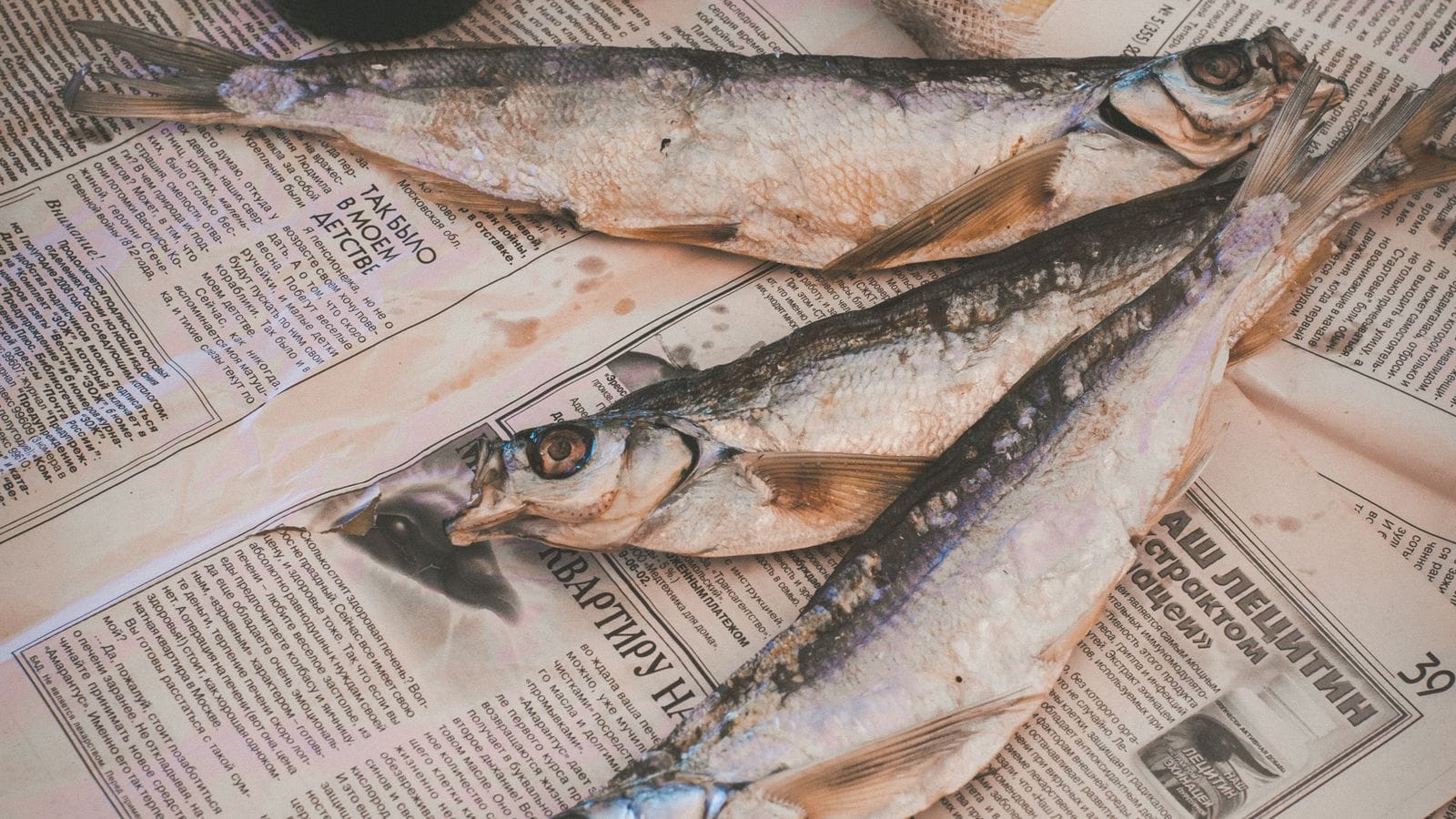
Yasothon pla som is made from freshwater fish fermented with salt, steamed sticky rice, and garlic, left for about 2–3 days until it develops a soft, gentle sourness. Most of the old shops build theirs around large barb fish (pla tapian); some carry boneless silver carp for people who'd rather not pick out bones. The popular way to eat it is dipped in egg and fried, or fried crisp and served with sticky rice, shredded ginger, shallots, and fresh chilies. Retail prices in town run around 120–160 THB per kilo, depending on the type of fish and the size.
Mae Yom Pla Som
An old-timer in the Yasothon municipal area, now in its second generation after more than 60 years. They use large barb fish and offer whole pla som, boneless silver-carp pla som, fish-roe pla som, and fish-belly pla som. Around Songkran, orders spike into the thousands of kilos a week. They ship nationwide.
Mae Koi Pla Som
Another regular stop for repeat buyers, with several styles to choose from — barb fish, striped catfish (pla sawai), and smaller whole fish. Some recipes add giant water bug (maeng da) for extra aroma, some leave it out, so you can pick to taste.
Je Pen Pla Som (Old Shop)
A long-running pla som shop that locals in Yasothon know by name, selling a traditional recipe. You can place orders ahead through their Facebook page — handy for festival season when stock moves fast.
Mae Noi Pla Som Yasothon
A pla som shop in the Mueang district doing both retail and wholesale — easy to swing by if you're passing through town, at friendly prices.
Pla Som Saep Tat Thong
A shop in the Tat Thong area, on the side of town you pass on the way to Phra That Kong Khao Noi — perfect to combine with a stop at the stupa. Contact and order through their Facebook page.
About the Mahachanachai name
A lot of people call it Mahachanachai pla som, because Mahachanachai district sits in a river-basin area that has made pla som for a long time. But when it comes to buying, most of the well-known shops with easy-to-find, proper storefronts are in Mueang Yasothon. If you're not heading all the way down to Mahachanachai, buying in town gets you the same quality.
Want to taste deeper? Try a Yasothon food tour or cooking class
Half a day with a local who knows the lanes — or cooking a dish yourself — teaches you more than just eating. Book ahead on Klook or GetYourGuide.
Tung Kula Ronghai Jasmine Rice — A Souvenir That Keeps
Yasothon is one of the five provinces that make up the Tung Kula Ronghai plains (along with Roi Et, Sisaket, Surin, and Maha Sarakham), where Khao Dawk Mali 105 jasmine rice is grown on saline, sandy soil — which is what gives the rice its distinctive fragrance and softness, and earned it a geographical indication (GI) registration. Several Yasothon producers offer white rice, brown rice, and organic rice certified to the Organic Thailand standard, with some also holding Fairtrade and USDA certification. Retail prices for GI rice sit around 50–60 THB per kilo, packed in tidy bags that make a good gift — lighter than pla som and no refrigeration needed.
- Khao Sri Saeng Dao — a Yasothon Tung Kula jasmine rice brand you can find both in-store and online, with gift packs in several sizes.
- Khao Bun Rueang (Yasothon organic rice) — organic rice with a focus on certification, good for anyone after chemical-free grains.
- Nam Om Sustainable Agriculture Community Enterprise — a GI organic-rice network promoted by the provincial commerce office, with the option to buy directly from the community.
Local Cured Meats — Mam, Sausage, Naem, Chinese Sausage
Beyond pla som, cured and fermented meats are another souvenir Isan people buy all the time. Yasothon has makers who've been at it for years and ship to several provinces. Most of these keep for several days in the fridge, so they're easy to carry home if you've got a cooler bag.
Moo Yor Mae Thuan
An old-timer that's been making moo yor (pork sausage), Isan sausage, Chinese sausage, mam, and fried banana for over 40 years, with several varieties to choose from. Order online for delivery — a good one-stop for a mixed box of cured meats.
Mam Isan
Mam is a cured product made from pure beef or pork mixed with offal like spleen and liver, with a naturally fermented sourness — different from Isan sausage, which blends in fat and rice. Mam costs more because it's all meat. Find it at cured-meat shops and the town's fresh markets.
Isan Sausage & Naem
Sour, herb-fragrant Isan sausage and beef naem — easy-to-find cured items at markets and souvenir shops. Grill or fry them and eat with ginger, chilies, and peanuts. Cheap, and you can buy them in small sets.
Luk Niang and Seasonal Forest Foods
Luk niang is a hard-shelled wild bean with a rich, crunchy interior and a strong, distinctive smell. Isan locals like to eat it raw dipped in jaew, or alongside larb, koi, and som tam. This is a seasonal item — it isn't sold year-round, and you'll most often see it from early in the rainy season through the hot months. To get some, walk the fresh market early and ask the vendors selling local greens. Beyond luk niang, there are other forest foods that rotate with the season — wild mushrooms, bamboo shoots, pak wan, red-ant eggs — and that's the charm of an Isan market you won't find in a supermarket.
Taking luk niang home
Fresh luk niang has a strong smell and doesn't keep long. If you're carrying it far, choose pods that haven't been shelled — the shell helps preserve the inside longer — and pack them in a sealed bag of their own so the smell doesn't spread through the car.
Lod Chong and Sweets to Take Along
Lod chong is a classic dessert Yasothon is known for — chewy green rice-flour noodles in sweet, rich coconut milk over ice, best eaten fresh in town rather than hauled long distances. If you'd rather have a sweet to carry home, look for things like sweet red sticky rice, krayasat, or other local sweets, which the town's souvenir shops usually stock in small sets too.
Where to Buy Souvenirs in Mueang Yasothon
Mueang Yasothon isn't big, and the souvenirs cluster in just a few spots — you can cover the lot in half a day. Here's how to plan it.
Old-school pla som storefronts
Shops like Mae Yom, Mae Koi, and Je Pen have storefronts in town. Call ahead or message their Facebook page first to check whether they've got stock that day — especially during festivals, when it sells out fast.
Yasothon Municipal Fresh Market
Walk the morning market for cured meats, Isan sausage, naem, and seasonal local greens like luk niang and wild mushrooms — real market prices, fresher and cheaper than the souvenir shops.
All-in-one souvenir shops in town
Souvenir shops in the town center usually pull together GI jasmine rice, moo yor, Chinese sausage, and local sweets in one place — handy if you're short on time and want to buy it all in a single stop.
Tat Thong area (toward Phra That Kong Khao Noi)
On the Tat Thong side of town, the exit road has roadside pla som and souvenir stalls — a neat stop to combine with visiting Phra That Kong Khao Noi before you leave town.
Getting it home intact
Pla som and cured meats need to stay cold — if you're driving far, bring a cooler bag and ice. Jasmine rice and dry sweets travel just fine, no worries there. Buying the perishable items last, on the day you head home, is your best bet.
Want to do Yasothon properly — food, sights, and where to stay
See the Yasothon travel guide →