🔄 Updated 26 Jun 2026
Let's be straight up front: Thailand isn't a "barrier-free" destination like countries that have designed for everyone for a long time, but it's genuinely travellable if you plan well. The key is to pick an easy-access base (a big city), confirm the details with your hotel/venue in advance, and allow extra time. The difference in ease between Bangkok and the provinces is clear.
Getting around in the city
💡 How to get around smoothly
Most stations have lifts and ramps, the most convenient way to get around Bangkok. But some older stations have limited lifts, so check your origin and destination stations first.
Grab is convenient and shows the price upfront, but most cars are ordinary sedans. Vans that take a wheelchair without folding it are available only in limited numbers, so book ahead.
Not suitable for wheelchair users. Skip them and use Grab/taxi instead.
In many areas the surface is uneven, with obstacles and no ramp on every corner. Allow extra time and stick to main routes.
Temples and attractions
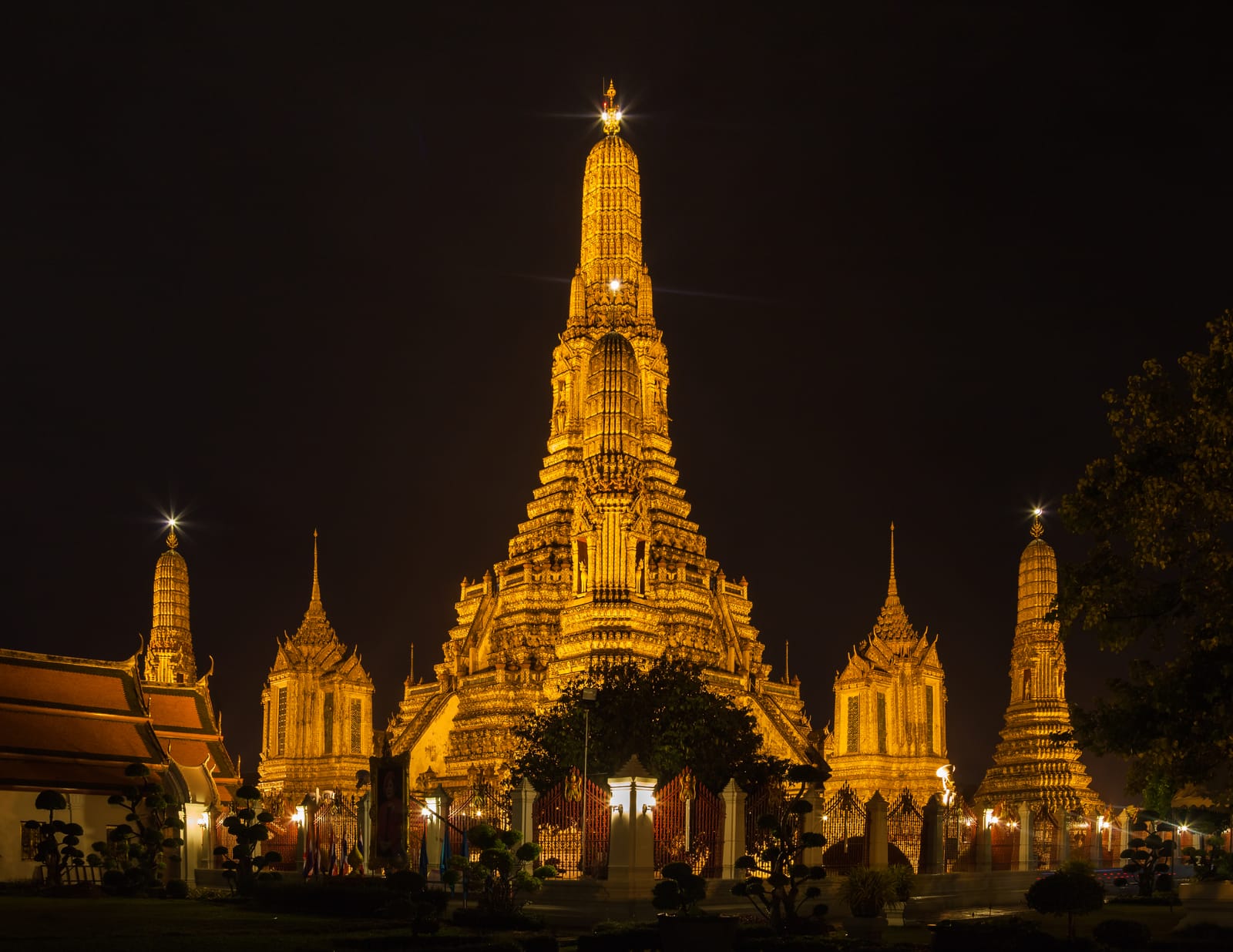
Many temples and historic sites were built long ago, so they have steep stairs and uneven floor levels. For example, Wat Phra That Doi Suthep has a long staircase (but there's a lift/funicular as another way up), while the Grand Palace and some large temples are fairly flat in their main areas and partly accessible. We recommend looking into each spot beforehand and asking for the ramp entrance once you're there. Shopping malls, newer museums, and large public parks are usually easier to reach than old temples.
Hotels and beaches
International chain hotels and newer properties in tourist towns usually have accessible rooms (wide doors, grab bars, a roll-in shower bathroom), but budget properties or older buildings often don't and may have only stairs. Call or email to confirm the details with the hotel directly before booking — don't guess from the photos. For beaches, some spots are starting to offer ramps and a beach wheelchair, but it's not yet everywhere, so ask the resort or the local municipality.
Health and emergency numbers
| Service | Number | Notes |
|---|---|---|
| Medical emergency | 1669 | Ambulance |
| Tourist Police | 1155 | Speak English, help tourists |
| Police | 191 | General emergencies |
Big cities have good private hospitals where staff speak English. If you need specific medicines or equipment, bring enough with you and carry your prescription too. Pharmacies are easy to find in the cities.
Plan your trip from an easy-access city base, and save the hotels and sights that suit you into your plan.
Start planning your trip →