🔄 Updated 21 Jun 2026
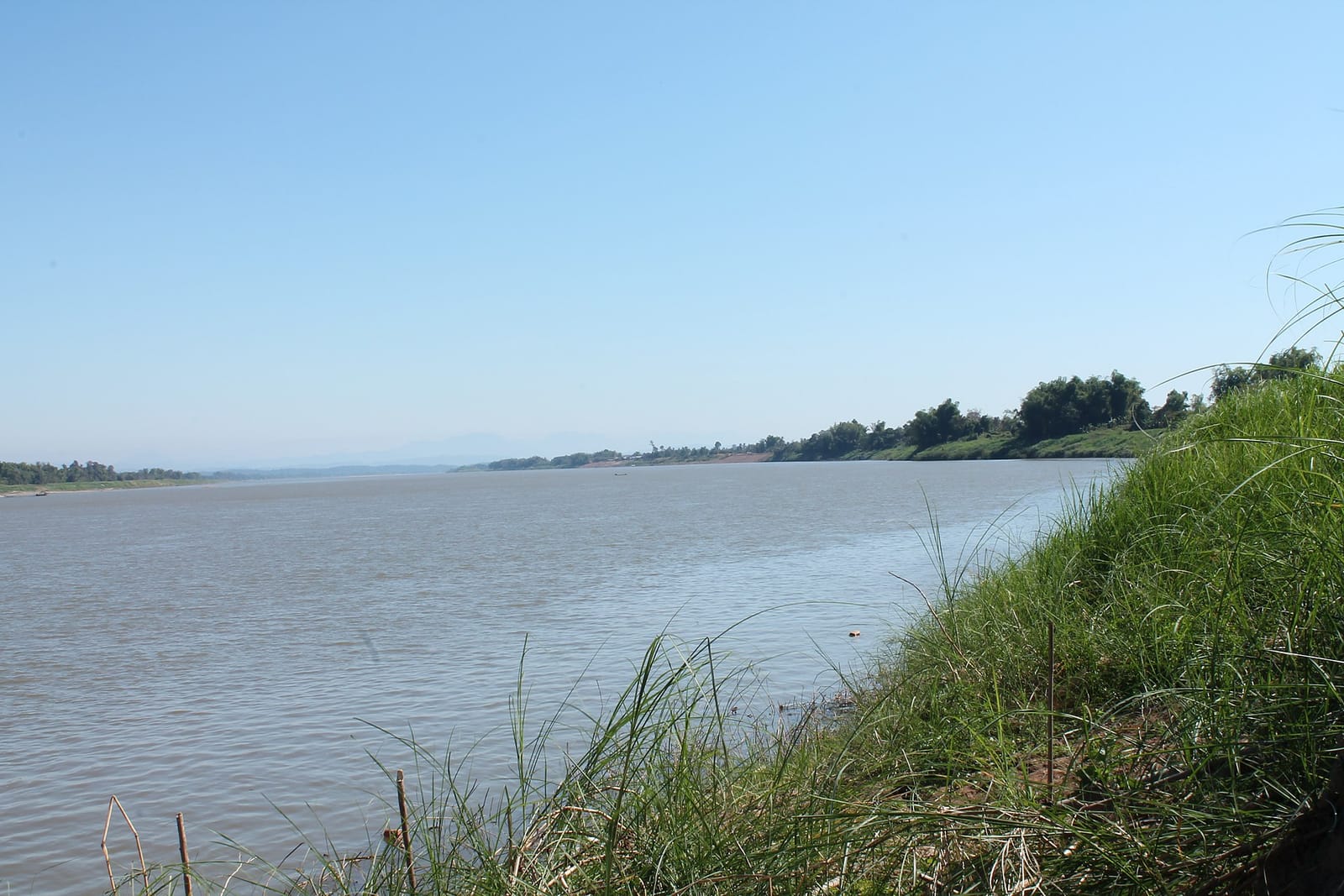
Before planning, it helps to get the geography. Bueng Kan sits on the Mekong River at the very north of Isan, and Sakon Nakhon lies just below it to the south, with the Phu Phan mountain range in between. That means the two towns link up nicely in a single trip. The main route is to leave Bueng Kan town, run down through Phon Charoen or Seka district, then cross into Sakon Nakhon. It's roughly 180–200 km and takes about two and a half to three hours at an easy pace, with plenty of room for stops along the way.
We'll say up front that this is a slow trip focused on temples and lake views, not heavy hiking like the Naka Cave route. If you like a calm atmosphere, paying respects at forest meditation temples, and seeing how people live along the water in Isan, this route suits you well. If you want more adventure, you might add Three Whale Rock or Naka Cave for an extra day.
The 3-day, 2-night plan at a glance
- Day 1 — Cover Bueng Kan town and the Mekong, visit Wat Ahong Silawat, then move south to stay the night in Sakon Nakhon city
- Day 2 — Temple day: pay respects at Phra That Choeng Chum in town, visit Luang Pu Mun's Wat Pa Suthawat, then head up to Wat Tham Pha Daen in the Phu Phan range
- Day 3 — Morning by Nong Han, a boat out to Don Sawan Island, then the journey home
Why start in Bueng Kan and work down to Sakon Nakhon
Most people fly or bus into Udon Thani and then continue up to Bueng Kan first. Running from Bueng Kan down to Sakon Nakhon and then exiting via Udon or Sakon on the way back means you don't have to retrace your route, which saves travel time.
Book the activities in your Bueng Kan trip ahead
Booking online ahead on Klook or GetYourGuide is usually cheaper than the gate and skips the queue. Pick only the experiences you actually want — prices and availability are shown live on each site.
The route and getting between the two provinces
A cross-province trip like this is easiest with your own car or a self-drive rental, because many of the forest temples and the Don Sawan boat pier sit off the public bus routes. Timing your drives matters a lot — distances in Isan look short on a map but eat up real time on the road.
- Bueng Kan town → Sakon Nakhon city — about 180–200 km, roughly two and a half to three hours, passing through Phon Charoen and Seka districts down into Sakon Nakhon
- Private car / rental — the most flexible option. Rentals usually start from Udon Thani or Sakon Nakhon, where there are more choices than in Bueng Kan
- Bus — there are buses running between Bueng Kan and Sakon Nakhon, but once you arrive you'll need several more local connections, which doesn't work well for temples out of town
- Leave buffer time for stops — there are rest spots and roadside eateries along the way. Don't pack the schedule so tight that you have to drive straight through; taking it slow with a few stops is more fun
Fill the tank before the quiet stretches
On the cross-district run between the two provinces, there are sections where gas stations are far apart. Fill up fully in town before you set off, and check the tires and brakes if you're in a rental.
Day 1 — The Mekong in Bueng Kan, then down to Sakon Nakhon
Take day one easy: soak up the Mekong-side atmosphere of Bueng Kan in full, then use the afternoon to drive down and stay the night in Sakon Nakhon city. That way you can start the temple day fresh the next morning without a long drive first.
Bueng Kan town → Sakon Nakhon city
Day 2 — Forest temples and the Phu Phan range
Today is the heart of the trip. Sakon Nakhon is a center of the Thai forest meditation tradition, where the revered monk Luang Pu Mun Bhuridatto once stayed, so it has several important forest temples. We've lined up three in one day, working from in-town outward: start with Phra That Choeng Chum in the city center, then Wat Pa Suthawat, and finish with Wat Tham Pha Daen up in the Phu Phan range in the afternoon.
Phra That Choeng Chum → Wat Pa Suthawat → Wat Tham Pha Daen
Straight talk on getting up to Wat Tham Pha Daen
The road up is a steep mountain road that the temple and community don't allow tourists to drive themselves. You park at the bottom and ride a community songthaew up. The fare is about 20 THB per person, on the way up only. Allow time to wait for the trucks, which run in rounds, and dress modestly since it's a temple.
Day 3 — Nong Han and Don Sawan Island
Close out the trip with Nong Han, the largest freshwater lake in Isan — over 77,000 rai (about 12,300 hectares), with more than 20 islands in the middle of the water. The biggest is Don Sawan Island, which you can reach by boat. The island has an old chapel, large yang trees, and sacred spots that locals hold dear. This morning, catch the breeze by Nong Han and take a boat out before heading home.
Nong Han lakeside → Don Sawan Island → journey home
Check on the boat before you go
Boats out to Don Sawan Island mostly depend on passenger numbers and the weather. On windy days or in heavy rain they may not run. If you're set on visiting the island, ask the pier ahead of time, and going in the morning gives you a better chance of a boat than the afternoon.
If you have an extra day to spare
If you can stretch the trip to 4 days, there are several more spots that fit the same route, both on the Sakon Nakhon side and on the way back up to Bueng Kan. Add them based on your energy and interests — you don't have to hit them all.
- Phra That Phu Phek — an ancient Khmer prasat up in the Phu Phan range, about 22 km from Sakon Nakhon. You climb several hundred steps to reach it, with wide views over the Sakon plain. Good for history buffs
- Three Whale Rock, Bueng Kan — a cluster of whale-shaped rocks on the edge of the Phu Sing cliff, Bueng Kan's best-known photo spot. You can catch it on the way back up north
- Phu Tok, Bueng Kan — a wooden walkway spiraling around a 7-level mountain on a merit-making route, on the Bueng Kan side. Worth a stop if you loop back through Bueng Kan
- Other forest temples in Sakon Nakhon — the meditation tradition has many more forest temples around the city. If you like the calm, you can add a few more
The best time to go
This route works almost year-round, with a different feel each season. The cool season, roughly November to February, has the most comfortable weather — temple walks and boat trips without the heat, and pretty light mist over Nong Han in the mornings. The rainy season, around June to October, brings lush green to the Phu Phan range, but the climb to Wat Tham Pha Daen and the rock terraces can get slippery. In the hot season, temple walks at midday get very hot, so stick to mornings and evenings.
Rough budget per person
- Accommodation, 2 nights — about 1,000–3,000 THB (hotels in Sakon Nakhon and Bueng Kan come in several tiers, and splitting a room brings it down)
- Entry / boat fares — most temples take donations by faith; the songthaew up to Wat Tham Pha Daen is about 20 THB, and the boat to Don Sawan Island is about 100 THB per person
- Food — about 600–1,000 THB per person over 3 days, eating local
- Fuel / car rental — depends on your starting point. Budget for fuel, since you're crossing provinces and several districts
Pair these stops along the route
Wat Ahong Silawat
A Mekong-side temple in Bueng Kan, at the point locals believe is the deepest rapids in the middle of the river. Wide, quiet river views — a good day-one stop before heading down to Sakon Nakhon.
In Bueng Kan townBueng Kan Mekong Promenade
A riverside walk along the Mekong in central Bueng Kan, a spot to catch the breeze and photograph the Laos side. A nice warm-up before you set off.
Add on the way backThree Whale Rock
A cluster of whale-shaped rocks on the edge of the Phu Sing cliff, Bueng Kan's best-known photo spot. Worth adding if you stretch the trip to 4 days.
If you want a different kind of Bueng Kan plan, look at the Naka Cave–Phu Langka trip, which focuses on a sacred-site hike, or the Three Whale Rock viewpoint plan. You can mix either with this Sakon Nakhon route depending on how many days you have.
Want a different Bueng Kan plan or more places to stay? Check out the full Bueng Kan travel guide.
See the Bueng Kan travel guide →