🔄 Updated 21 Jun 2026
Bueng Khong Long sits in Bueng Khong Long district, in the south of the province, about 90 km from Bueng Kan town. It's a freshwater lake that holds water year-round. The Forestry Department declared it a wildlife sanctuary back in 1982, and in 2001 it was listed as a wetland of international importance — Ramsar site number 1,098 worldwide, and the 2nd in Thailand. What stands out here is the quiet and the nature, not flashy attractions. But if you like watching birds, taking in wide-open water views, and a slow-paced atmosphere, this place delivers.
What kind of place is Bueng Khong Long?
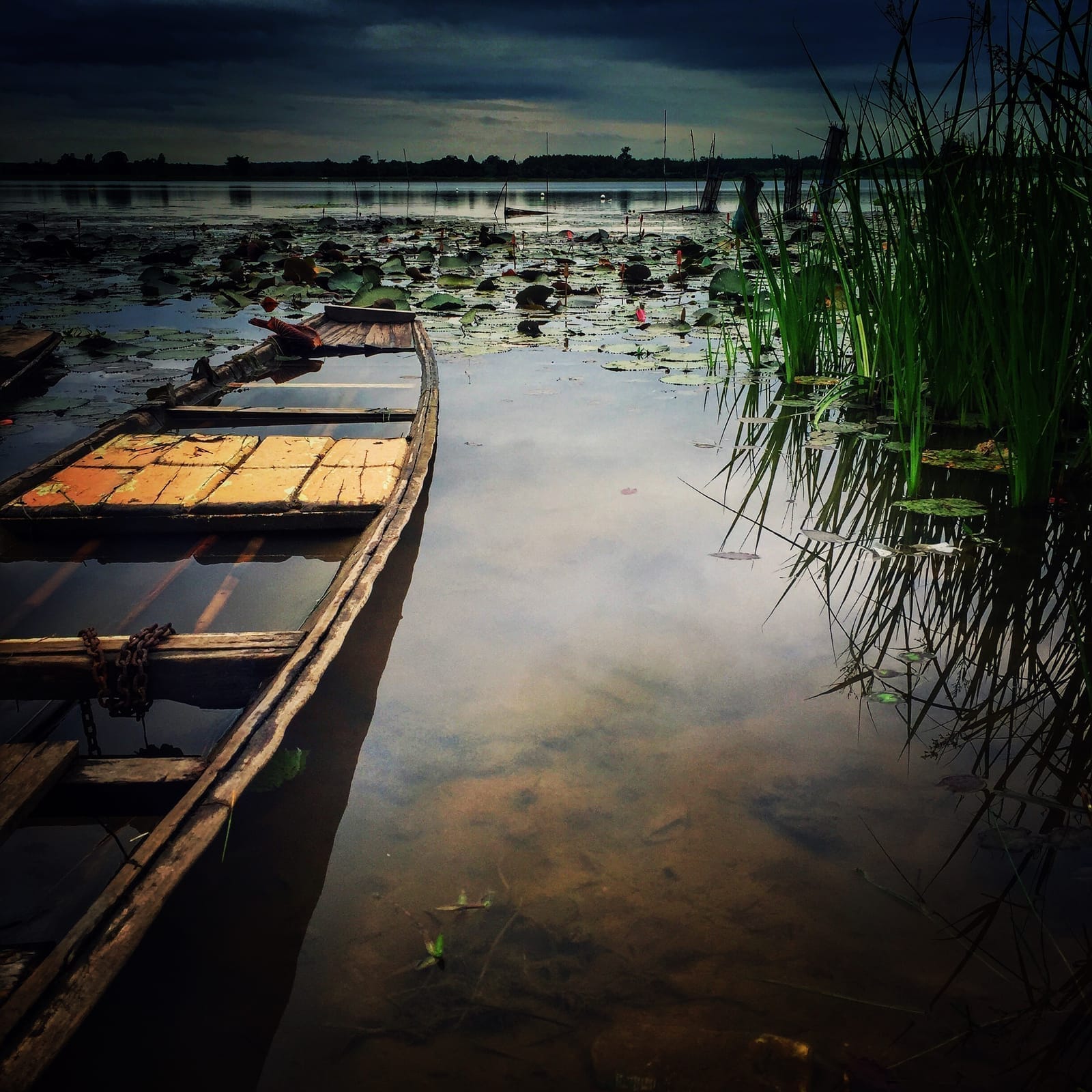
Picture a large freshwater lake — water as far as the eye can see, with Phu Langka rising in the background far off. The lake is ringed by wetland, with lotus, reed beds, and small islets out in the water where birds roost. The wildlife sanctuary headquarters sits on Don Sawan, the main spot for people coming to watch birds and walk the nature trails. The Kham Sombun Beach side is the relaxing, swimming zone — a different vibe, but the same lake.
- Size — the lake is about 13 km long and 2 km wide, the largest freshwater body in Bueng Kan
- Status — a wildlife sanctuary (since 1982) and Thailand's 2nd Ramsar wetland site (2001)
- Diversity — over 249 recorded bird species, around 97 fish species, plus various reptiles and aquatic plants
- Location — Bueng Khong Long district, near the route to Phu Langka, Tham Naka cave, and Three Whale Rock, so you can chain the trip together
Want more out of Bueng Kan? Book tours & activities
Booking online ahead on Klook or GetYourGuide is usually cheaper than the gate and skips the queue. Pick only the experiences you actually want — prices and availability are shown live on each site.
Waterbirds and winter migratory birds
This is the main reason birders come to Bueng Khong Long. During the cool season, roughly November to February, large numbers of migratory birds from the northern hemisphere drop down to feed and rest in this wetland. Combined with the resident birds that stay year-round, this is when you'll see the widest variety and the most birds. Early morning and the late afternoon are when birds come out to feed and are easiest to spot. The main birdwatching area is around Don Sawan, where the sanctuary office sits, with walking trails and viewpoints over the lake for scoping birds.
- Resident waterbirds — egrets, kingfishers, purple swamphens and warblers, visible around the lake nearly all year
- Migratory ducks — flocks of ducks arrive in winter, gathering in rafts out in the middle of the lake, clearest in the morning
- Waders and shorebirds — feeding along the shoreline and shallow islets, easy to watch with binoculars
- Storks and larger birds — found across the wetland, flying over or dropping in to feed along the reed lines
Tips to make the most of birdwatching
Go at dawn or in the late afternoon and you'll see more birds out feeding than at midday, when they hide from the sun. Bring binoculars or a zoom lens, since the birds stay far from shore. Wear plain colors, keep quiet, and you can check with the sanctuary staff at Don Sawan beforehand about where the birds are concentrated. The season with the most birds is roughly November to February.
Lakeside viewpoints and sunset
If you're not here for serious birdwatching, Bueng Khong Long is still a fun lakeside viewpoint. The wide water with Phu Langka as a backdrop makes the sunset gorgeous — the sky changes color and reflects off the surface, and it's the time locals come to sit, catch the breeze, and take photos. Viewpoints are scattered along the shore, but the ones people use most are the Kham Sombun Beach side and around Don Sawan.
Kham Sombun Beach
A sandy beach on the lake by Kham Sombun village, the swimming and relaxing zone of Bueng Khong Long. There are waterside huts, plus rentals for inner tubes, kayaks, pedal boats and banana boats, and you can order food to eat by the lake. The view looks across to Phu Langka. Good for families coming to cool off in the water — it gets busy with locals on weekends.
Don Sawan — sanctuary office
The site of the Bueng Khong Long wildlife sanctuary office, an islet in the wetland of about 344 rai (roughly 55 hectares). It's the main base for birdwatchers and nature walks. The atmosphere is quiet, you can see the wide lake, and birds are best spotted at dawn and dusk. The sanctuary has lodging you can arrange in advance.
Boat ride to the red lotus fields
Another popular activity is taking a boat out to see the red lotus fields in the middle of the lake. The lotus blooms best in winter, and only in the morning — the flowers close up once the sun gets strong. Boats leave from the Kham Sombun Beach side and take about 40 minutes to reach the lotus beds, and along the way you'll see the lake and its waterbirds. It's a different angle on the lake than standing and watching from the shore.
Straight talk on the red lotus and the season
The red lotus and the birdwatching peak at the same time — winter, roughly November to February. The lotus only blooms beautifully in the early morning before the sun gets strong; go late and the flowers close. In the dry and rainy seasons there's little lotus and fewer birds. If you're set on seeing both the lotus and the birds, come in winter and head out early. Boat fares are charged per boat or per head depending on the operator — ask the price at Kham Sombun Beach before you board.
How to get there and plan your time
Bueng Khong Long is about 90 km from Bueng Kan town, around an hour and a half by car. There's no public transport that goes directly to the lake, so you'll need your own car or a chartered ride. The upside is that it's close to the cluster of attractions in the south of the province — Phu Langka, Tham Naka cave, and Three Whale Rock — so you can chain them in a single day. Most people stop at Bueng Khong Long as a break or to catch the sunset to close out the day, after coming down from the mountains.
- Getting there — fly into Udon Thani or Nakhon Phanom and rent a car to drive on, or take a coach into Bueng Kan town and charter a ride; you'll need a vehicle once you're in the area
- Entry fee — general access to the area is free; the main costs are the boat fare if you go out to the red lotus, and water-activity rentals at Kham Sombun Beach
- Best timing — for birds and red lotus, come at dawn; for the sunset, come in the late afternoon; Kham Sombun Beach is open for swimming all day
- Where to stay — there's sanctuary lodging at Don Sawan you can arrange in advance, while regular resorts and guesthouses are in the district town and in Bueng Kan town
A realistic Bueng Khong Long itinerary
You can do Bueng Khong Long in half a day to a full day, but if you want to catch both the morning birds and the sunset, staying nearby for a night works better. We've laid out two versions — a full birdwatching day for nature lovers, and one that combines the lake with the southern mountains for first-time Bueng Kan visitors.
Morning birds — swim — sunset (Bueng Khong Long focus)
Bueng Khong Long plus the southern mountains (first-time Bueng Kan)
How to plan the trip so it flows
Bueng Khong Long is best as a slow-paced stop paired with the southern mountains of the province, since it's in the same district as Three Whale Rock and near Tham Naka cave. If it's your first time in Bueng Kan, we'd suggest combining them into one day. But if you're serious about the birds and the red lotus, set aside the whole morning for Bueng Khong Long, because both the birds and the lotus are only at their best in the early hours.
Check accommodation and the full Bueng Kan travel guide before you set off
See the Bueng Kan guide →