🔄 Updated 21 Jun 2026
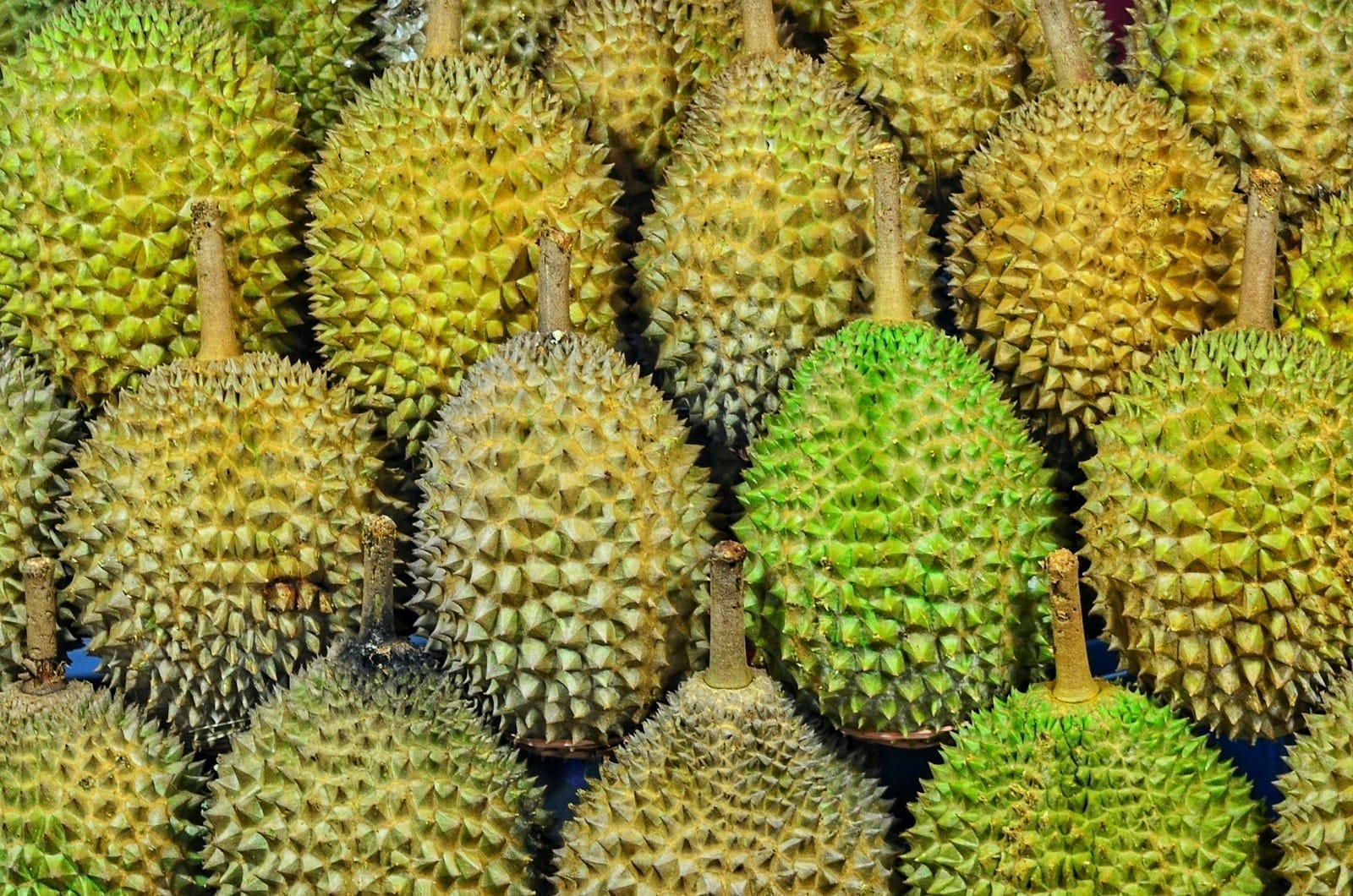
When it comes to fruit, Chanthaburi is the first name that springs to mind. The orchards around the city grow mostly durian, mixed with rambutan, mangosteen, longkong, snake fruit and santol. The season peaks around April to July, and if you come then you'll see busy durian buying depots lining the roads, markets opening before dawn, and plenty of orchards letting you walk in and eat straight off the tree.
Know your Chanthaburi durian before you eat
Durian isn't just Monthong. Each variety has its own flesh, flavour and ripening window, so knowing them ahead of time helps you pick and buy exactly what you'll enjoy.
Monthong
The most popular variety. Thick, pale-yellow flesh, flat seeds, a nicely balanced sweet-creamy taste and a mild smell. It holds its shape once ripe instead of turning mushy, which makes it great for first-timers and anyone who wants plenty of flesh. You'll find it easily all season long.
Puang Manee
A Chanthaburi specialty. Small fruit, around 1.5–2.5 kg, with orange-yellow flesh that's smooth and almost creamy. The sweet-creamy flavour is richer than Monthong, with a gentle, non-pungent aroma. Fans often say it beats Monthong, but it's harder to find and has a short season.
Chanee
Deep-yellow flesh, sweeter than Monthong, soft and fine-textured, with a stronger smell. It's the one to look for if you like things very sweet, and it usually costs a bit less than Monthong.
Kan Yao
Firm, chewy flesh with a smooth sweet-creamy taste and fairly large seeds. It costs more than other varieties because it's hard to grow and yields little, so it's the one serious durian people seek out.
Nok Yip / Nok Krajip
Small fruit with fine flesh and a sweet-creamy taste, often found in Chanthaburi's buffet orchards. It's a local variety you won't usually see at regular markets, so try it if you come across it.
How to pick a durian you won't regret
Smell the stem: a fragrant scent means it's ripe just right. Tap it lightly, and a hollow sound means it's ready to eat. If you're buying a whole fruit, ask the seller to cut open one segment so you can see. Most fresh Chanthaburi durian is picked mature and ripened locally, so the flesh tends to be sweeter and creamier than durian shipped far away.
Want to taste deeper? Try a Chanthaburi food tour or cooking class
Half a day with a local who knows the lanes — or cooking a dish yourself — teaches you more than just eating. Book ahead on Klook or GetYourGuide.
Other fruit you shouldn't miss in the same season
Durian is the star, but the same season brings plenty of other fruit that's far fresher and cheaper than buying it in Bangkok. One market trip gets you the lot.
- Rongrian rambutan — the famous rambutan variety that originated around eastern and southern Thailand. Red skin with green spines, crisp sweet flesh that comes clean off the seed. In season it's piled high across the markets at just a few baht a kilo.
- Mangosteen — the queen of fruit, with deep-purple skin and white flesh that's sweet with a hint of sour. Pick ones whose skin gives slightly when pressed and the flesh will be perfectly soft. Eating it alongside durian helps cut the richness.
- Longkong — grows in bunches like grapes, with translucent, sweet, fragrant flesh and tiny seeds. Choose bunches with smooth skin and no black spots.
- Snake fruit (sala) — brown, snakeskin-like peel with crisp flesh that's sweet and a touch sour. Chanthaburi grows a lot of it, and it's a popular souvenir because it keeps well.
- Santol — large fruit with fluffy flesh that's sweet and sour, usually eaten fresh dipped in chilli-salt or made into santol floating in syrup.
Chanthaburi fruit season — which month to go
Chanthaburi's fruit follows the early rainy season. You'll normally start seeing it around mid-April and it runs through to about July. The peak, when everything is in and prices drop, is May to June. If you want rare varieties like Puang Manee or Kan Yao, check with the orchard first, as they have a short window and sell out fast.
- April — the start of the season. The first Chanee and Monthong arrive, and prices are still high because supply is limited.
- May–June — the peak. Everything is in: durian, rambutan, mangosteen, longkong. Prices are at their best, and this is the time to come.
- July — late season. Kan Yao and the last durian arrive, while rambutan and mangosteen start to thin out.
Check prices before you go
In June, depots buy good-grade Monthong at roughly 160–180 THB/kg, with off-size fruit dropping to 120–130 THB/kg. Retail prices at the markets run a bit higher than this. The numbers shift year to year with the weather, so use them as a rough benchmark when you bargain.
Where to buy fruit — the markets locals actually use
If you're not visiting an orchard, wandering the fruit markets is fun and gets you fresh fruit at good prices. These are the main markets where Chanthaburi locals and traders from all over the country come to stock up.
Noen Sung Market (Tha Mai)
The largest wholesale-retail durian market in Thailand, at the Noen Sung junction on Sukhumvit Road in Tha Mai district. They trade a thousand tonnes a day here, busiest from late afternoon through to morning. Wholesale prices are the best, so it's ideal if you're buying in bulk.
Sam Yaek Pak Saeng Fruit Market
A retail fruit market with a wide range year-round: several durian varieties, rambutan, mangosteen, snake fruit, longkong, santol. Plenty of stalls to compare prices, good for both eating yourself and buying souvenirs.
Chanthaburi Central Produce Market
A large central market for the province's wholesale fruit and vegetable trade. Good if you need large quantities, or just want to soak up the atmosphere of a real working fruit market.
Ship it home
Many market stalls offer boxing and shipping by post or private courier. If you're buying whole durian but have a long ride ahead, ask them to remove the segments and pack them in vacuum boxes, so they're easy to carry and the smell stays contained.
Visiting the orchards — durian buffets and eating off the tree
The highlight of coming to Chanthaburi is visiting an actual orchard. Most run one of two ways: a fixed-price all-you-can-eat buffet, or pay-by-the-kilo for what you pick. Many open only during fruit season and on weekends, so it's best to call and book 3–7 days ahead so the orchard can set aside enough fruit.
Suan Puang Manee (Mueang Chanthaburi)
The original Puang Manee durian orchard, in Khom Bang sub-district, Mueang district. You get to taste Puang Manee straight from the original trees, alongside other varieties, in a shady, relaxed setting. Perfect if you're chasing the real Puang Manee flavour. Open around 09:00–17:00.
Suan Durian Land (Makham)
A fruit buffet orchard in Makham sub-district, Makham district, with several durian varieties and seasonal fruit. Open only on weekends and public holidays, around 10:00–18:00. Good for coming as a group.
Rin Radi Farm
A large property with an orchard, café, restaurant and accommodation all in one place. Open roughly April to early July with the season. Good for families who want to spend the whole day or stay overnight.
Suan Arun Burapha
A café-style orchard with several durian varieties and other fruit to sample, in a comfortable sit-down setting. Good if you want both fruit and a few photo spots.
Suan Koh Proet (fixed-price buffet)
A durian and fruit buffet orchard, open only on weekends and holidays in season. The fixed price runs around 500 THB for adults, with small children free. They have Monthong, Chanee, Puang Manee and local varieties. Call ahead to book.
Get your money's worth at the orchard
Most buffets are eat-in only, no taking food away, so come on an empty stomach and then dig in. Start with lighter varieties like Monthong before moving on to richer ones like Puang Manee or Chanee. Eating some mangosteen in between will keep you going longer. And don't forget to call and ask which varieties are available that day before you set off.
A 2-day fruit orchard trip
If you have two full days in fruit season, this plan covers it all: visiting orchards, browsing markets, and buying souvenirs to take home.
Visit the orchards — eat off the tree
Browse the markets — buy souvenirs
Plan a full Chanthaburi trip — eating, sightseeing and where to stay
See the Chanthaburi travel guide →