🔄 Updated 21 Jun 2026
Chanthaburi has been known as the "City of Gems" for decades. It started over a century ago when rubies and sapphires were dug up in areas like Tha Mai, Khlung, and Pong Nam Ron, and the town grew into one of the world's important gem trading hubs. Today nearly all the local mines have closed, but Chanthaburi is still a global center for heating, cutting, and trading colored stones. Dealers from many countries still fly in to buy here every week.
Where it is and when it's open
The gem market is clustered on Si Chan Road and small lanes like Trok Krajang in central Chanthaburi — an easy walk from the Chanthaboon Riverside Community and the cathedral. On weekdays it's quiet, with a scattering of gem-buying shops open, but on weekends the whole quarter turns into an open-air market that takes over the street.
- Busiest days: Friday, Saturday, and Sunday — the liveliest, most fun window is late morning to afternoon, roughly 10:00–15:00.
- Location: Si Chan Road, Wat Mai sub-district, Mueang Chanthaburi (near the Chanthaboon Riverside Community).
- Admission: Free — you can just walk through and look, no need to buy anything.
- The busiest spot: around the intersection of Si Chan Road and Thetsaban Road, where traders pack in with their loupe tables.
Time your visit
If you're coming for the buzz of live trading, only Friday to Sunday will do — Monday through Thursday the market is almost empty. Arrive mid-morning to catch the peak; after about 3pm the tables start packing up.
Want more out of Chanthaburi? Book tours & activities
Booking online ahead on Klook or GetYourGuide is usually cheaper than the gate and skips the queue. Pick only the experiences you actually want — prices and availability are shown live on each site.
Gem runners — the heart of the market you won't see elsewhere
What sets the Chanthaburi gem market apart is the "gem runners" — an old trade who act as the middlemen, carrying packets of stones from a seller's table over to a buyer. They carry a loupe and folded white paper packets with gems tucked inside, circling all day to relay stones and prices between tables. Buyers sit at their own table, waiting for the runners to bring something over, examining each stone under a light, haggling, then closing the deal quietly.
The money moving through the market on any given day is huge — on a busy day, total trading is said to hit 200–300 million THB, even though the market looks plain: just folding tables and plastic chairs on the roadside. That contrast is exactly what draws people in to watch, even if they have no intention of buying.
What you'll see in the market
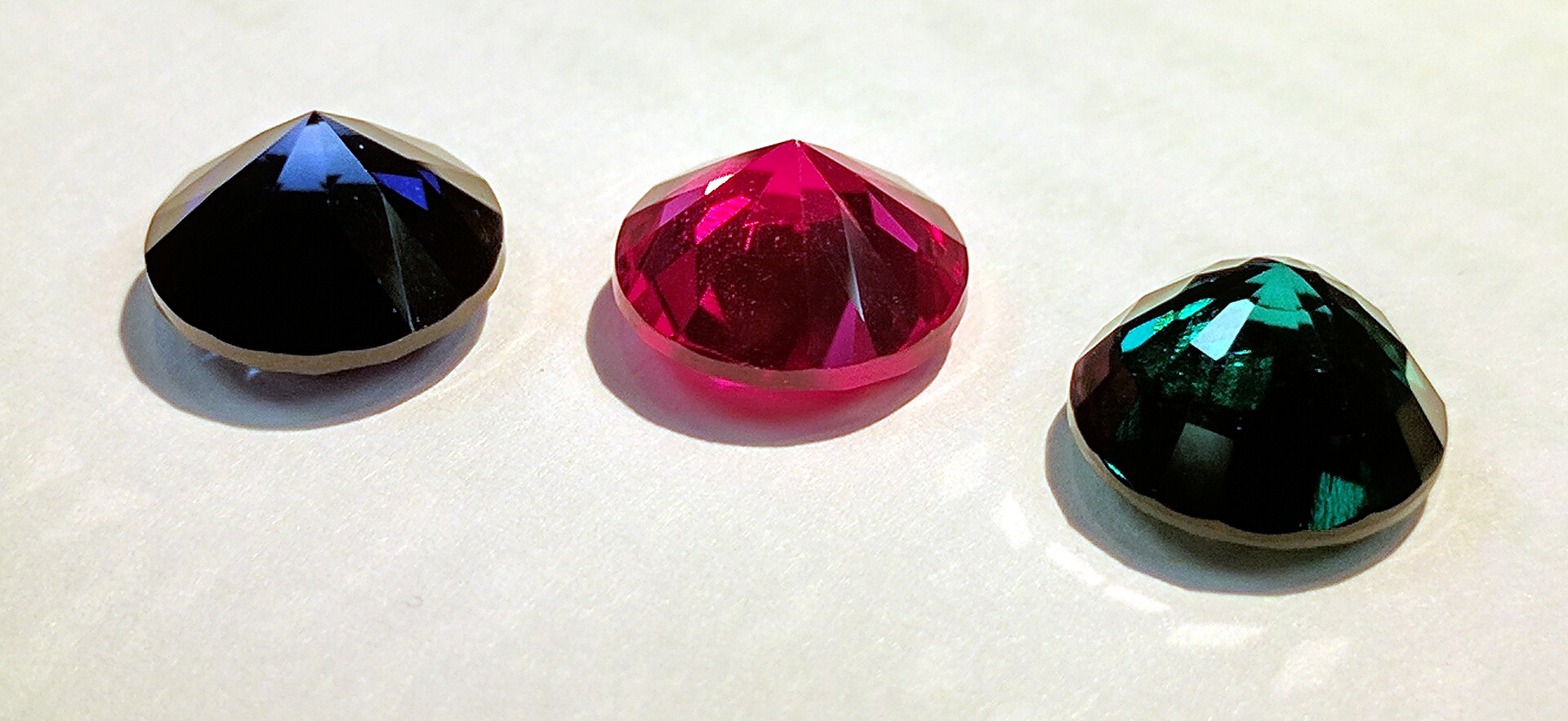
- Rough and cut stones — sapphire, ruby, yellow sapphire, green sapphire, garnet, and other colored stones from sources all over the world.
- Stone inspection — traders sit examining gems under a light and magnifier all day, checking color, clarity, and flaws. It makes for great photos (ask before shooting up close).
- Cutting workshops and jewelry shops — dozens in a single quarter, some with cutters working right at the storefront.
- The tools of the trade — gem packets, folded paper, scales, loupes — the humble gear that's at the heart of the real business.
Why Chanthaburi became a gem city
Chanthaburi's gem trade started taking shape back in the reign of King Rama V, when the Kula people, an ethnic minority from Shan State in Burma, came following the gem deposits. Later, in 1963, an official gem market was set up on Si Chan Road, and it has been Thailand's gem trading center ever since.
Another thing that made Chanthaburi stand out is gem heating ("hung ploi") — treating stones with heat to bring out better color. As the story goes, it began with a big fire at the Nam Phu market in 1968. After the flames died down, people found that the heat-exposed gems had clearly become more vivid in color. From there, Chanthaburi's craftsmen developed heating techniques to a world-class level, and combined with their cutting skill, it's why gems from elsewhere still get sent here to be finished.
How to buy gems without getting burned
You can just browse without buying anything, but if you actually want to take something home, know going in that this is a professional market. Prices depend on type, color, clarity, weight, and whether a stone is heated or unheated. First-timers should buy from shops with a clear storefront where you can ask for certification.
- For small souvenir pieces, pick a jewelry shop with a real storefront, clear pricing, and a receipt.
- For higher-value stones, ask for a gem certificate from a reputable lab.
- Ask clearly whether a stone is "heated" or "unheated" — it makes a big difference to the price.
- Polite haggling is fine, but be wary of anything suspiciously cheap; genuinely good stones rarely come at unrealistic prices.
Want to understand gems better
Nearby is the Chanthaburi Gems and Jewelry Promotion Center, which covers everything from origins to heating, cutting, and jewelry-making. It's worth a stop before hitting the actual market so you know what you're looking at.
Where to go next
Chanthaboon Riverside Community
An old wooden-house quarter along the Chanthaburi River, an easy walk from the gem market, with cafes, food, and historic houses to photograph.
Right nearbyCathedral of the Immaculate Conception
A beautiful old riverside Catholic church across from the riverside community — pairs perfectly with the gem market for a half-day out.
Where to eatChanthaburi food
After the gem market, stop for sen chan stir-fried with crab, mu liang noodle soup, and Chanthaburi sweets around the riverside.
Plan a half-day or full-day in Chanthaburi without missing the good stuff
See the Chanthaburi travel guide →