🔄 Updated 21 Jun 2026
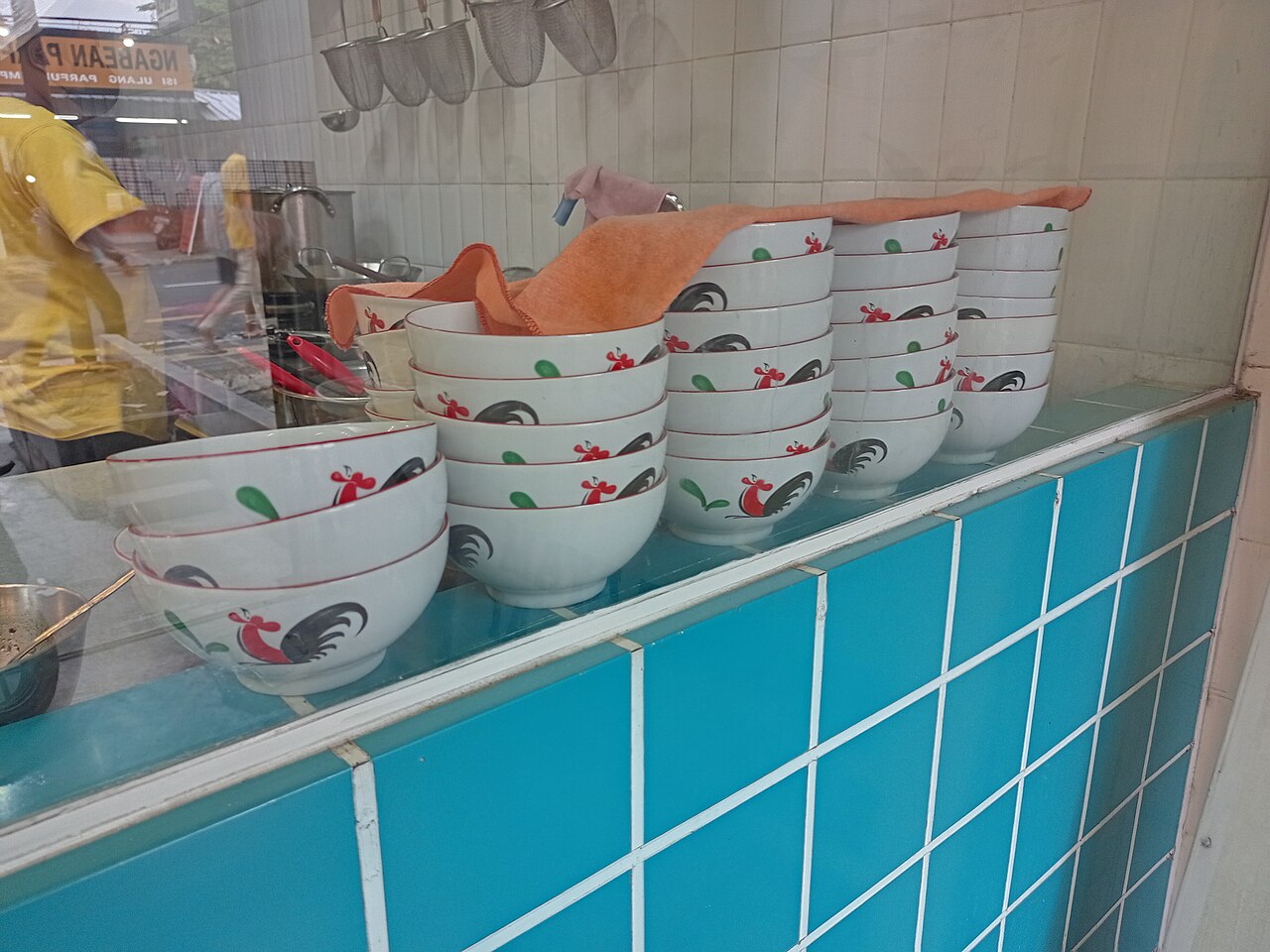
Say Lampang and most people picture horse carriages and temples. But the thing Lampang really sends out across the country is the chicken bowl — that ceramic bowl with the red rooster that's sat on noodle-shop tables for decades. The Dhanabadee Ceramic Museum tells this story better than anywhere else, because Dhanabadee was one of the original factories making chicken bowls right from the pioneering days.
This isn't a museum where you just walk past signs. It's a working factory that lets you in to watch people at work — from a lump of white clay all the way to a finished, painted bowl ready to sell. Once you've done the loop, you'll never look at that same bowl in a noodle shop quite the same way again.
The chicken bowl story most people don't know
The chicken bowl came to Lampang with Teochew Chinese craftsmen who migrated here and set up ceramic factories. The turning point was finding good-quality kaolin clay around Chae Hom district, which turned Lampang into Thailand's ceramic town. The red rooster paired with a banana plant and a peony is an auspicious Chinese design, standing for diligence and abundance — which is part of why it caught on and stuck around to this day.
In 2022 the Lampang chicken bowl was registered as a GI (Geographical Indication) product, and it's even appeared as a Google Doodle — a piece of local craft the wider world is starting to notice. Inside the museum there are some real curiosities too: a tiny chicken bowl smaller than a grain of rice, just 3.5 millimeters across, and a special chicken bowl made of solid gold.
Want more out of Lampang? Book tours & activities
Booking online ahead on Klook or GetYourGuide is usually cheaper than the gate and skips the queue. Pick only the experiences you actually want — prices and availability are shown live on each site.
What you actually get to see inside
Visits run in timed rounds, with a guide walking you through point by point. It takes a little over an hour. Here's roughly what we got to see in person.
- Pottery-throwing area — watch potters shape bowls on the wheel, both the old-school and modern way, hands actually covered in clay right in front of you.
- Rooster-painting area — artists paint each rooster by hand, one at a time, no stickers. Watch for a minute and you understand why no two bowls are ever exactly alike.
- Dragon Kiln — a long, old-style kiln that climbs up a slope like a dragon's body. It once fired bowls shipped across the whole country, and it's a favorite photo spot.
- Collection area — the tiny chicken bowl, the gold bowl, the thinnest bowl, and the story of the factory's pioneering generation.
Visiting tip
Visits run on a timed schedule (roughly every hour). If you want the full guided walk-through, come at the start of a round, and leave room for the museum's lunch break too so you don't turn up to a closed door.
Throw and paint your own — kids can do it
This is the part a lot of families come for: the ceramic painting workshop. Pick a blank piece — a small bowl or a figurine — and paint your own design. Prices start around 40 THB depending on the piece. Kids can manage it, adults get into it too, and you walk away with a one-of-a-kind keepsake.
Paint a bowl / small piece
Pick a blank piece and paint it yourself, from around 40 THB. Great for kids, doesn't take long.
Watch the pottery demo
Stand and watch the real shaping and rooster-painting, free with your visit. Photos allowed.
Buy an authentic chicken bowl to take home
Before you leave, stop by the Muse Shop inside the museum. It has chicken bowls in every size — big noodle bowls, teacups, saucers — right through to newer rooster-pattern homeware with a more modern design. It's a souvenir you'll actually use, and you can say with confidence it came from the original maker in Lampang.
- Rooster noodle bowl — the classic that sells the most, genuinely tough enough for everyday kitchen use.
- Rooster coffee cup / mug — a small, light souvenir that's easy to pack.
- Newer homeware pieces — contemporary designs built on the old rooster motif, good for anyone who likes craft.
Straight talk
The shop here isn't the cheapest compared with the wholesale ceramic factories around town. But the upside is you get the original maker, guaranteed quality, and you can buy it all in one place right after the tour. If you're after big quantities at wholesale prices, you can always check the other factories afterward.
How to get there, hours, and entry fees
- Address — 32 Wat Chong Kham Road, Phra Bat subdistrict, Mueang Lampang district. It's in town, not far from Kad Kong Ta and the old quarter.
- Opening hours — open daily, roughly 9:00 AM–5:00 PM, with a lunch break. Visits run in timed rounds.
- Entry fee — around 60 THB for Thai adults, 30 THB for students, 100 THB for foreigners. Young children, seniors, and monks enter free.
- Getting there — easy to reach by car, or by horse carriage or motorbike around town. There's parking, and it's a good stop while exploring the old quarter.
Hours and prices can change with the season, so it's worth checking the museum's Facebook page before you go — especially for a long weekend or if you're coming as a group.
Plan your whole Lampang trip — where to stay, eat, and explore
See the Lampang travel guide →