🔄 Updated 21 Jun 2026
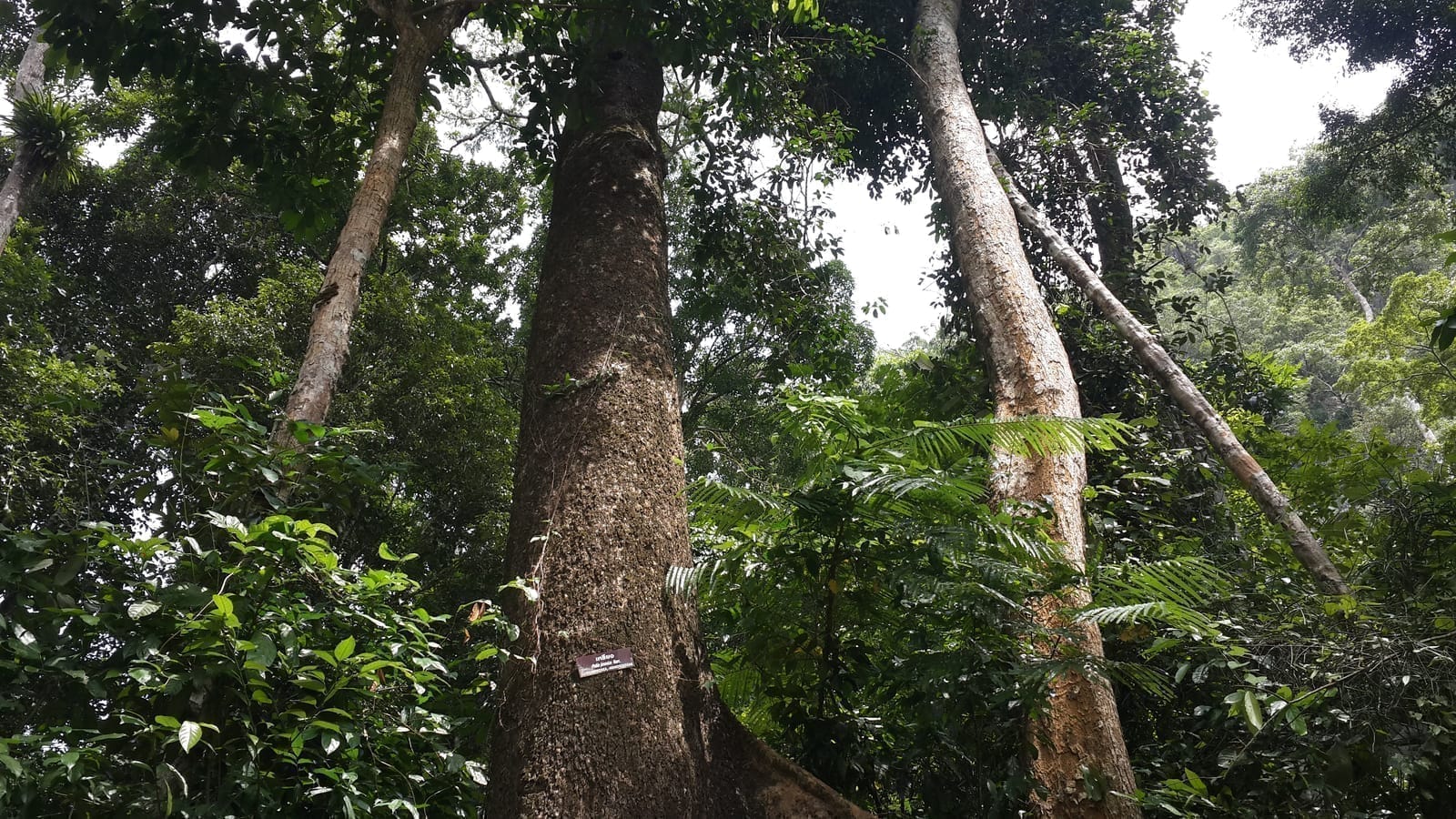
If your picture of Phatthalung is Thale Noi and rice fields, Khao Pu–Khao Ya will change your mind on the spot. This is Phatthalung's last evergreen rainforest in the Banthat Range, more than 433,750 rai in all. Locals call it the virgin forest because it's still so intact — big trees, ferns, clear streams, and the sound of birds and cicadas the whole way. The best part is how easy it is to reach: an hour's drive from town and you're already hiking and swimming.
Why come to Khao Pu–Khao Ya
- Cool air almost all year — it's evergreen rainforest in the Banthat Range, so the sun barely reaches the ground; even a midday walk stays comfortable, not the muggy heat you get down below.
- Hiking you don't need to train for — there's a short nature trail starting from the suspension bridge behind the visitor centre that takes under an hour; trainers are fine.
- Waterfalls you can really swim in — Riang Thong Waterfall inside the park, and Phairo Waterfall over on the Kong Ra side, both with clear pools to soak in.
- Caves to explore — there are several caves in the forest, noticeably cooler inside than out, perfect for getting out of the midday sun.
- Cheap entry, no crowds — it's still a spot most city visitors don't know about; weekdays are very quiet, and you can have almost the whole forest to yourself.
Want more out of Phatthalung? Book tours & activities
Booking online ahead on Klook or GetYourGuide is usually cheaper than the gate and skips the queue. Pick only the experiences you actually want — prices and availability are shown live on each site.
The short trail anyone can walk
The heart of a visit to Khao Pu–Khao Ya is the nature trail behind the visitor centre. You start by crossing a suspension bridge over the stream, then loop into the rainforest — about 1.2 km, an easy 45 minutes to an hour at a relaxed pace, and the path loops back to where you started, so you won't get lost. Signs along the way explain the plants and the ecosystem. It works for kids or for adults who don't exercise much.
Before you set off
The forest path is damp and slick in places, especially after rain, so wear shoes with good grip, long trousers against leeches, and put on some insect repellent. There really are a lot of leeches in the rainy season — packing leech socks or a little salt will give you peace of mind.
Waterfalls in Khao Pu–Khao Ya
Another draw of this forest is the waterfalls scattered across several spots. Some sit inside the park and are an easy walk in; others are over on the Khao Banthat Wildlife Sanctuary side and take a bit more driving — but the clear water you get to soak in is worth it.
Riang Thong Waterfall
A waterfall inside Khao Pu–Khao Ya National Park, about 2 km from Ban Khao Pu village, with a nature trail that takes you right to it without much fuss. It's a mid-sized fall with a pool to get into, shaded by tall trees the whole way.
Phairo Waterfall
The biggest waterfall in Phatthalung, over on the Khao Banthat Wildlife Sanctuary side in Kong Ra district, dropping down a high cliff in 7 tiers. The first tier is an easy walk in and safe to swim, and the water runs hard and looks its best in late rainy season.
What to know about the waterfalls
How much water there is depends on the season. Late rainy season (October–December) is fullest and prettiest, but the current runs hard — swim only at the lower tier and watch for slick rocks. The dry months (March–May) have less water but run clearer and are safer for kids. Check the rain forecast before you go, and if it's pouring up on the mountain, stay out of the water, since flash floods can come down.
Caves and other natural spots
Beyond the waterfalls, the Banthat Range is full of limestone caves that are noticeably cooler inside than out — good for ducking out of the midday sun and looking at the stalactites and stalagmites. Some caves have a stream running through them, and you can walk in a short way.
Caves in the Khao Banthat forest
There are several limestone caves spread along the ridge, some with water running through and a cool, comfortable feel. Ask the rangers about the routes and bring a torch before you head in.
Streams and clear pools
Clear streams run alongside the whole trail, and several spots have shallow pools where you can sit and soak your feet to cool off — handy for a break along the walk.
Entry fees, opening hours, and getting there
- Opening hours: daily 08:00–16:00 (go before midday so you have time to hike and swim).
- Park entry: Thai visitors ฿20 adults, ฿10 children · foreign visitors ฿100 adults, ฿50 children.
- Staying inside the park: there are bungalows you can book ahead, roughly ฿600–3,000 per house depending on size, booked through the national parks department website.
- Location: Khao Pu subdistrict, Si Banphot district, Phatthalung, about 37 km from Phatthalung town.
- Driving yourself: from town take Highway 41 for about 20 km, turn left onto Highway 4164 for another 17 km or so, then turn left in 3 km to reach the office — about an hour all up.
Getting to Phairo Waterfall by public transport
If you don't have a car, there's a Phairo Waterfall–Phatthalung songthaew; the rank is across from Phatthalung railway station, running every 15 minutes from 07:00 to 17:00 daily. The last one back from the waterfall is around 15:00, so plan your return carefully and don't miss the last ride.
What to pack and the best time to go
- Best time: late rainy season into early winter (October–January), when the forest is green and damp, the waterfalls are full, and the air is cool — but bring an umbrella and leech protection.
- Dry season: March–May, when the waterfalls run lower but are safer and the walking is easier, good if you're bringing small kids.
- What to bring: shoes with good grip, long trousers, insect repellent, leech protection, drinking water, a change of clothes for swimming, and a waterproof bag for your phone.
- Phone signal: coverage in the forest is weak to none, so download an offline map and let someone at home know before you head in.
Travel responsibly
This is Phatthalung's last forest. Take every piece of rubbish back out, don't remove plants or animals, don't use soap or shampoo in the streams, and stay on the marked trail, so the forest stays intact for people to enjoy after us.
Plan a full day of Phatthalung nature — mountains, forest, fields, and the lake
See the Phatthalung travel guide →