Home Destinations Khao Yai 🧭 Plan Your Trip 🔎 Search About
HomeThailandKhao YaiKhao Yai Camping Plan Tents, Wildlife & Morning Mist
⛺ Khao Yai Travel Plan

Khao Yai Camping Plan
Tents, Wildlife & Morning Mist

If you want to get as close to nature as Khao Yai allows, camping overnight inside the park is the answer. You wake up to mist drifting over the grasslands, hear gibbons calling at dawn, and stand a real chance of a deer wandering past your tent. This plan runs 2 days and 1 night, sleeping at the Lam Takhong or Pha Kluai Mai campground inside a UNESCO World Heritage forest, with a night safari and an early start for the sea of mist. We've packed in tent rental prices, entry fees, how to book, and the honest warnings, because camping in a real forest takes more preparation than checking into a resort.

⛺ Sleep in real forest — Lam Takhong / Pha Kluai Mai🦌 Night safari🌫️ Early start for the morning mist
Khao Yai Camping Plan Tents, Wildlife & Morning Mist

🔄 Updated 21 Jun 2026

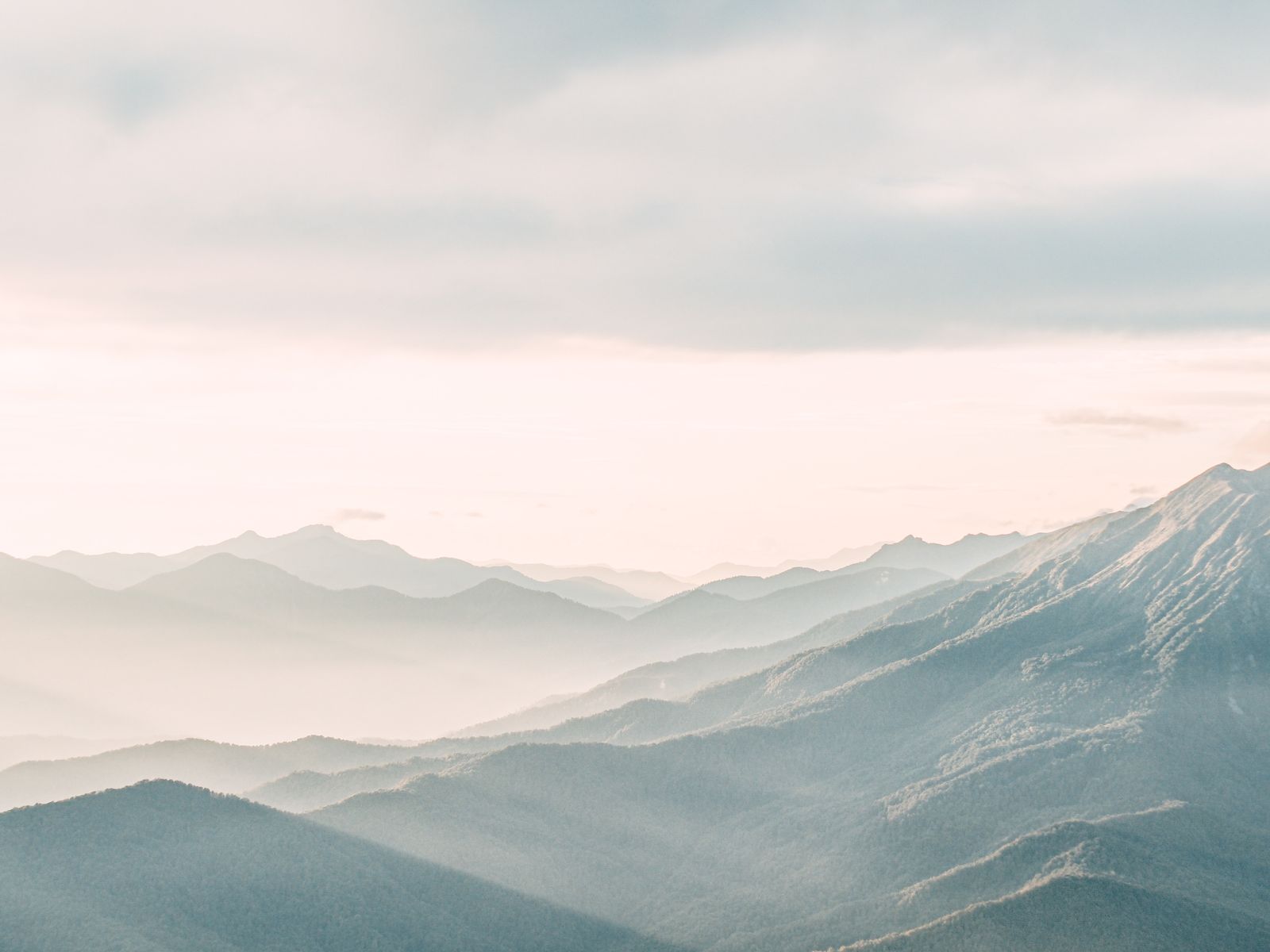
The appeal of camping at Khao Yai is that you actually sleep inside the Dong Phaya Yen–Khao Yai forest, a genuine UNESCO Natural World Heritage Site — not just driving through it. At night it's quiet enough to hear the insects and the running water, and before dawn, if you're lucky, mist fills the grasslands and the cold bites. That's an experience the resorts outside the park can't give you, but you trade it for more preparation and far fewer creature comforts.

The park has two main campgrounds close to each other: Lam Takhong and Pha Kluai Mai. Both sit in the inner zone near the road to Heo Suwat Waterfall, with toilets, shower rooms (cold water), a welfare shop selling food and water, and tents plus bedding for rent. They suit anyone who wants to camp but doesn't want to haul all their own gear.

Costs and booking — sort this out before you go

  • Park entry fee: Thai adults 40 THB, children 20 THB, four-wheel vehicle 30 THB/car. Paid in cash at the checkpoint.
  • Campsite fee (your own tent): 30 THB/person/night if you bring your own tent.
  • Tent and bedding rental: a 2-person tent runs about 150 THB/night, a 3-person tent about 225 THB/night, including a sleeping bag, a sleeping mat, and a pillow.
  • How to book: reserve a campground pitch in advance at nps.dnp.go.th, up to 60 days ahead. The tents and bedding, though, are rented on the spot and can't be booked in advance.
  • Good to know: the park's online booking system has gone down and been unusable at times. If your booking won't go through, call the park directly at 086-092-6529 or 044-249-305.

Long weekends fill up fast

In the cool season (November–February) and over long weekends, the Lam Takhong campground gets packed. Reserve a pitch ahead through the park website, or call to check availability first. Don't count on walking in on a holiday and getting a spot — the rental tents can sell out fast too. Always have a backup plan.

🎟️

Book the activities in your Khao Yai trip ahead

Booking online ahead on Klook or GetYourGuide is usually cheaper than the gate and skips the queue. Pick only the experiences you actually want — prices and availability are shown live on each site.

🎟️ See all Khao Yai tours & activities (Klook)

Which campground? — Lam Takhong vs Pha Kluai Mai

Most popular

Lam Takhong

The big one — high capacity and the most popular. It has the welfare shop, toilets, and a gear-rental point all on site, which makes it good for first-timers and anyone who wants convenience. The trade-off is more crowds and more noise when it's busy.

Quieter

Pha Kluai Mai

Near Pha Kluai Mai Waterfall, with a shadier, slightly quieter feel — better if you want to be a little deeper in nature. The facilities are just as complete.

Backup plan

Outside the park (backup)

If the park is full, there are plenty of private campgrounds on the Pak Chong–Thanarat side. Some have electricity, hot water, and better facilities — but you won't get the forest atmosphere and wildlife you'd find inside the park.

Day 1 — Up the mountain, pitch the tent, waterfalls, night safari

The aim on day one is to reach the park by late morning, so you have time to pitch the tent, stash your things, and still get out to the waterfalls and an evening wildlife watch. The highlight of the first night is the night safari, which you book with the rangers, and simply lying in your tent listening to the real sounds of the forest.

Day 1

Set up camp + night safari

08:00
Leave BangkokTake the motorway or Mittraphap Road to Pak Chong — roughly 2–3 hours depending on your start point and traffic. Stock up on food and supplies in Pak Chong before heading up, because choices inside the park are limited.
11:00
Reach the Pak Chong checkpoint + fill the tankPay the entry fee in cash — Thai adults 40, children 20, car 30 THB. There are no fuel stations inside the forest, so always fill up first. Distances within the park are farther than you'd expect.
12:00
Arrive at Lam Takhong, check in and pitch the tentFind the rangers at the campground, rent a tent with bedding if you didn't bring your own, pitch it, and get your things sorted first. Don't leave food outside your tent — monkeys and other animals will dig through it.
13:00
Lunch at the welfare shopThe campground has a welfare shop selling rice dishes and drinks, but the options are limited and it closes early. If you want to cook your own food, bring a stove and your own gear, and pack out every bit of trash.
14:30
Swim at Heo Suwat WaterfallThe widest, most famous curtain waterfall, not far from the campground — you can walk down from the car park. In the rainy season the water is full and beautiful but the rocks get very slippery. Wear non-slip shoes and never cross the barriers.
16:30
Walk to the Nong Phak Chi wildlife towerPark around km 35 on Thanarat Road and walk across the grassland to the wildlife tower, about 20 meters tall. The soft light before dusk is the golden hour when deer, barking deer, and gaur come out to graze. Stay quiet, and don't feed the animals.
18:00
Back to camp, dinner, get readyReturn to the campground before dark, shower (cold water), and have dinner. People love carrying in mookata or a barbecue set to eat in the cold air. If you want a fire, only do it in the permitted spots.
19:30
Night safari with the rangersRounds run around 19:00 or 20:00, and you have to book ahead at the visitor center. You ride in a truck sweeping spotlights around Nong Phak Chi and the reservoir, with a chance to spot deer, barking deer, jackals, and on some nights wild elephants. No flash photography.
21:30
Back to the tent, stargaze, sleepOn clear nights Khao Yai shows plenty of stars. Stow all your food and trash securely before bed. In the cool season the temperature drops very low — have warm clothes and a warm sleeping bag ready.

Driving slowly in the park is real advice, not a scare tactic

The park roads twist up and down the mountain the whole way, and wildlife crossing the road is normal — especially elephants, deer, and barking deer. There have been several vehicle-wildlife accidents already. Avoid driving at night if you can. If you meet an elephant, stop the car, turn off the engine, and wait quietly — don't honk, don't shine high beams at it, and don't get out to take close-up photos.

Day 2 — Early start for the sea of mist, a forest walk, pack up

The heart of day two is waking before sunrise for the morning mist. In the late-rainy to early-cool season you stand a chance of a sea of mist drifting over the grasslands and valleys — a sight you'll never see sleeping in the city. After that, slowly pack up the tent, take a short stroll, and head down the mountain before you leave.

Day 2

Morning mist – forest walk – break camp

05:30
Up for the morning mist at the km 30 viewpointDrive to the km 30 viewpoint or walk to the Nong Phak Chi wildlife tower before dawn. In the cool season there's a chance of a sea of mist and deer out grazing. Wear warm clothes, carry a flashlight, and drive slowly — the mist cuts visibility short.
07:00
Hot coffee and breakfast at campCome back to brew coffee and have breakfast in the cool air. If you didn't bring your own, the welfare shop sells rice dishes and hot drinks in the morning.
08:30
Short forest walk near the campgroundPick a self-guided nature trail — shady, with a chance of seeing birds and gibbons in the morning. If you want to tackle a longer route, you have to hire a ranger guide at the visitor center, and you must not leave the trail.
10:00
Break camp, return gear, pack out trashPack the tent away dry, return any rented bedding, and carry out all your trash with no food scraps left behind — scraps draw animals toward people and change their behavior.
11:00
Stop at Pha Kluai Mai Waterfall before heading downIf you still have energy, stop at Pha Kluai Mai Waterfall near the campground — a short walk and a nicely sized small waterfall, great for photos. In the rainy season the path is slippery, so take care.
12:30
Down the mountain, lunch around ThanaratComing down to the Pak Chong–Thanarat Road side, there are plenty of steak houses, Thai restaurants, and cafes to refuel before the drive home. Take the descent slowly and use a low gear to help with braking.
14:00
Wrap up at a cafe + buy local treatsSettle into a mountain-view cafe around Thanarat before you leave, and grab some Pak Chong souvenirs. Avoid leaving at the same time as everyone else on Sunday evening — Mittraphap Road gets badly jammed.

The morning mist doesn't show up every day

The sea of mist depends on the weather — it usually appears in the late-rainy to early-cool season when it's cold and humid. Some mornings there's no mist at all. If you get up and it isn't there, don't be disappointed — a crisp, cool morning and a chance to see wildlife is already worth it. Don't expect the social-media shot every time.

What to pack for camping at Khao Yai

  • Serious warm clothing — cool-season nights on the mountain get very cold. Bring a thick jacket, socks, and a knit cap.
  • Flashlight/headlamp + power bank — the forest is dark and some spots have no charging outlets.
  • Extra bedding — even if you can rent a sleeping bag, bring an additional blanket or warm sleeping bag for the cool season.
  • Food, water, and a portable stove — the campground shop has limited choices and closes early, so stock up in Pak Chong before heading up.
  • Mosquito repellent and basic medicine — the forest has mosquitoes and insects, so bring your personal medications too.
  • Trash bags — pack out every piece of your own trash. It helps protect the forest and keeps animals away from people.
  • Cash — entry fees, tent rental, and the in-park shop are mostly cash only, and the phone signal is weak in places.

Watch out for monkeys and animals raiding your gear

The campground has monkeys and small animals that are used to people. Don't leave food or snack bags outside your tent or in a car with the windows down — always store them securely. And never feed the animals; it makes them aggressive and dangerous to other visitors.

Tweak the plan for your group

Beginner

Camping beginners

Rent a tent with bedding at Lam Takhong so you don't have to haul gear. Focus on Heo Suwat, which is an easy walk, plus the ranger-led night safari — safe and not too much of a hassle.

Adventurer

Fully kitted-out adventurers

Bring your own tent, stove, and bedding, and pay just the 30 THB/person pitch fee. Add a longer guided forest trail and Heo Narok, and chase the mist at several viewpoints at dawn.

Family

Families with kids

If you have small children and worry about the cold nights and cold-water showers, consider a private campground outside the park with hot water and electricity, then drive into the park to sightsee during the day instead.

If you'd rather sleep more comfortably than in a tent tonight, check out the hotels around Khao Yai as an option.

See the Top 10 Khao Yai hotels →

FAQ

How much does it cost to camp in Khao Yai National Park?

If you bring your own tent, you pay a campsite fee of about 30 THB/person/night, plus the park entry fee — Thai adults 40 THB, children 20 THB, car 30 THB/vehicle. If you rent a tent with bedding, a 2-person tent runs about 150 THB and a 3-person tent about 225 THB per night, including a sleeping bag, a sleeping mat, and a pillow. Prices can change, so check with the park before you go.

How do I book a Khao Yai campground in advance?

You can reserve a campground pitch in advance at nps.dnp.go.th, the Department of National Parks website, up to 60 days ahead. The rented tents and bedding, though, can't be booked in advance — you rent them on the spot. If the online booking system isn't working, call the park directly at 086-092-6529 or 044-249-305, especially in the cool season and over long weekends when it's busy.

Do the Khao Yai campgrounds have toilets and showers?

Yes. Both Lam Takhong and Pha Kluai Mai have toilets, shower rooms (cold water), and a welfare shop selling food and water, though the food options are limited and close early. It's best to stock up on food in Pak Chong before heading up. And if you're worried about cold-water showers in the cool season, many private campgrounds outside the park offer hot water.

Does the Khao Yai night safari need a booking, and what might I see?

The night safari has to be booked with the rangers at the visitor center, with rounds around 19:00 or 20:00. You ride in a truck sweeping spotlights around Nong Phak Chi and the reservoir, with a chance to see deer, barking deer, jackals, and on some nights wild elephants. No flash photography, stay quiet, and absolutely no feeding the animals.

When is the best time to camp at Khao Yai, and can I catch the sea of mist?

The late-rainy to early-cool season (November–February) is best — it's cool with a chance of a sea of mist in the morning at the km 30 viewpoint or Nong Phak Chi. But it's also the busiest, and the campgrounds fill up fast, so book ahead. In the rainy season the forest is green and the waterfalls are beautiful, but the paths are slippery and the tent may get wet. The hot season is less crowded, but the nights aren't cold and there's little mist. The morning mist isn't there every day — it depends on the weather.

Copyright & Image Takedown Policy

Thailandaddict is created to review and share travel experiences. Where an image is sourced from elsewhere, we credit the source. If you are the copyright owner and prefer that your image not appear on this site, please contact us and we will gladly remove the image or correct the information.