🔄 Updated 21 Jun 2026
Khao Yai was Thailand's very first national park, declared back in 1962, and it was later inscribed as a UNESCO World Heritage natural site as part of the Dong Phaya Yen–Khao Yai Forest Complex in 2005. It spans several districts across several provinces, but the most popular entrance is on the Pak Chong side in Nakhon Ratchasima province, because it's close and the area just outside the park is packed with places to stay, cafes, and farms.
What makes Khao Yai special is that it's still a genuine forest, not a public park. Inside live wild elephants, sambar deer, barking deer, wild boar, gibbons, and hundreds of bird species. Seeing wild animals in their own habitat is something the cafes and farms outside simply can't offer. We've broken it down piece by piece — wildlife spots, waterfalls, hiking, fog, and finally entry fees and routes.
Wildlife spotting — the heart of Khao Yai
If you're coming all the way to Khao Yai, the one thing not to miss is seeing wild animals. The spot locals recommend is the Nong Phak Chi watchtower, a tall tower beside a grassy meadow and a water source. Early morning or late afternoon, deer and barking deer often come out to feed, and on a lucky day you might spot wild elephants too. Another option is the Mo Singto watchtower near the visitor center, which is an easier walk to reach.
At night there's a night safari run by the park (Night Safari), where rangers drive you around shining spotlights to find animals along the forest roads. There's a fee per trip, bookable at the visitor center. It's a hit with kids and anyone staying overnight in the park, because many more animals come out at night than during the day.
Make wildlife spotting work
The golden hours are around 6am at first light and the late afternoon before the park closes, because animals come out to feed when it's cool. Stay quiet, don't make noise, never feed the animals, and bring a pair of binoculars — it makes the whole thing far more fun.
Want more out of Khao Yai? Book tours & activities
Booking online ahead on Klook or GetYourGuide is usually cheaper than the gate and skips the queue. Pick only the experiences you actually want — prices and availability are shown live on each site.
Drive slow — animals really do cross the road here
This matters more than most people think. The roads inside Khao Yai wind up and down the mountains the whole way, and crucially, wild animals crossing the road is completely normal here — especially elephants, deer, and barking deer. That's why the park sets a low speed limit and bans honking to scare animals off. There have been several vehicle-versus-wildlife accidents already. Driving fast in this forest just isn't worth the risk.
- Drive slow, keep your lights on, and watch the bends — visibility is terrible when fog rolls in or it's raining, and an animal can appear right on a curve at any moment.
- If you meet a wild elephant, stop the car and switch the engine off quietly — wait for the elephant to move on by itself. Don't flash high beams at it, don't honk, and don't get out to take close-up photos.
- Never feed the animals — monkeys included. Feeding makes them aggressive and prone to approaching cars, and it's against park rules.
- Keep food sealed away inside the car — the monkeys around the gate and parking spots are quick. Leave a window open and you can lose your things.
- Fill up with fuel before you head up — there are no gas stations inside the park, and the distances in the forest are longer than you'd expect.
Haew Suwat Waterfall — the one people think of first
Haew Suwat Waterfall is the most famous waterfall in Khao Yai. Water drops from a cliff around 20 metres high in a wide curtain, with a pool and stream below. It's a short walk down from the parking lot, and there's a viewpoint up top where you can stand and photograph the full drop. It's an easy-access waterfall that suits all ages.
Nearby is Pha Kluai Mai Waterfall, named after the wild orchids that grow along the cliff face and bloom beautifully in the late rainy season into early winter. It's a multi-tiered limestone waterfall with clear pools to sit by, reachable from the connecting nature trail.
Waterfalls are gorgeous in the rains but slippery
From June to October the water is highest and the falls are at their best, but the rocks along the edge get very slippery. Wear non-slip shoes and don't climb past the lines the rangers have marked off. After heavy rain the water flows hard and rises fast, so if it's pouring, hold off on getting in the water.
Haew Narok Waterfall — the tallest in the park
Haew Narok Waterfall is the tallest and most powerful waterfall in Khao Yai. It drops in three tiers — the first tier alone is over 60 metres, and all three together come close to 150 metres. The roar of water smashing onto the rocks echoes everywhere, with spray drifting through the air. It's on the opposite side of the park from Haew Suwat, with its entrance near the Noen Hom checkpoint on the Prachinburi–Nakhon Nayok side.
Getting to Haew Narok means a fair bit of descending stairs and forest paths to reach the viewpoint. The way down is easy but the way back is tiring because you have to climb. It suits anyone with a bit of stamina for walking. The viewpoint has a railing so you can stand and look safely — and we'll say it again: don't climb over the railing, because the cliff is high and the rocks are slick. There have been fatal falls here before.
Pick your waterfall by stamina and time
If you're short on time or bringing young kids or older relatives, choose Haew Suwat — it's a much easier walk. If you want a big, dramatic waterfall and don't mind the climb up and down, then take on Haew Narok. The two sit at opposite ends of the park, so doing both in one day means leaving plenty of time for the drive.
Hiking and nature trails
Khao Yai has hiking trails for every level, from short routes you can walk on your own to long ones that require a ranger guide. The popular self-guided options are the trails around the visitor center and the park headquarters — short distances, plenty of shade, and frequent sightings of birds and gibbons.
- Headquarters–Nong Phak Chi trail — the classic route through forest and grassland, ending at the watchtower. A medium distance, good for first-time hikers.
- Mo Singto–Kong Kaew Waterfall trail — a short route near the visitor center, an easy walk past the stream and a suspension bridge.
- Haew Suwat–Pha Kluai Mai trail — follows the stream past several waterfalls, shaded the whole way.
- Long-distance trails (guide required) — some routes mean pushing through forest and crossing streams, so you must hire a ranger guide at the visitor center for safety and to avoid getting lost.
Hike safely
Wear long trousers to keep leeches off in the rainy season, carry enough water, tell a ranger which route you're taking, and head back before dark. Don't wander off the trail alone — the Khao Yai forest is vast and phone signal doesn't reach everywhere. Leeches draw blood but aren't dangerous; if they put you off, bring some anti-leech spray.
Fog and viewpoints
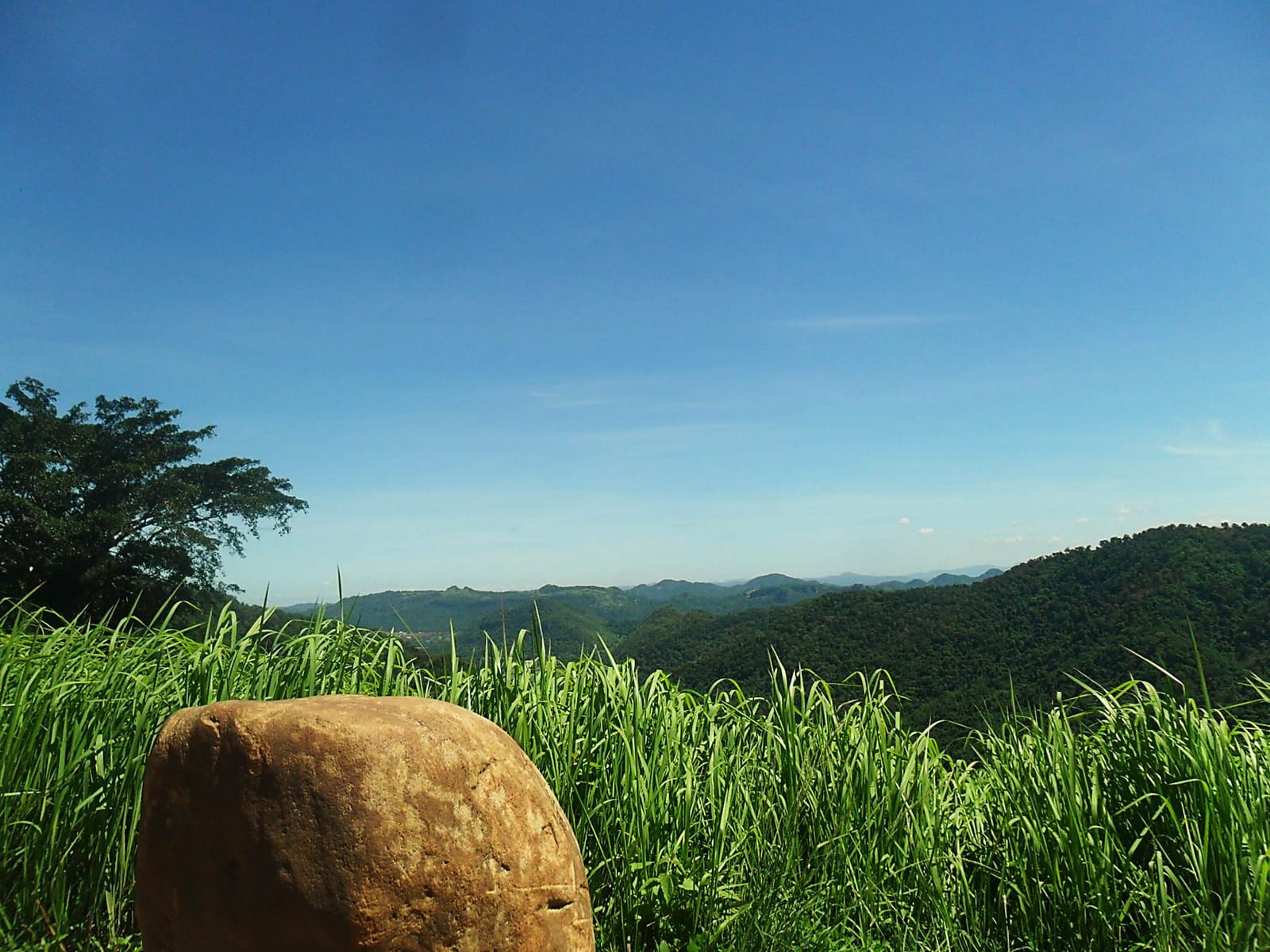
In the late rainy season into early winter (November–February), Khao Yai gets a sea of fog. The most famous spot is the Pha Diao Dai viewpoint, a clifftop lookout where on early mornings you'll see fog filling the entire valley. But it's a fair walk in from the road, and you need to get there before sunrise. Another spot with a wide view is the Km. 30 viewpoint right by the main road, where parking and photos are more convenient.
Fog is also a matter of luck — some mornings it's thick and gorgeous, some mornings there's none at all, depending on the weather. If you're set on seeing the fog, stay overnight in or near the park and get up before dawn, because if you drive up from Pak Chong in the morning you may miss the first light.
Entry fees, opening hours, and getting there
The park is open daily, with the gate opening in the early morning and closing in the evening — roughly 06:00–18:00 (hours may change with the season and conditions, so check with the park before you go). Entry is charged separately for people and vehicles, as follows.
- Entry (Thai nationals) — adults 40 THB, children 20 THB; seniors and people with disabilities enter free.
- Entry (foreigners) — adults 400 THB, children 200 THB.
- Vehicle fee — four-wheel cars 50 THB/vehicle, motorcycles 30 THB/vehicle, minibuses 100 THB, large buses 200 THB.
- Special activities — night safaris, vehicle hire, and guides are charged separately. Book at the visitor center.
Going up Khao Yai from the Pak Chong side, you take Thanarat Road (Highway 2090). From Pak Chong town it's about 20-odd kilometres up to the entry checkpoint, then onto the winding mountain road inside the park. From Bangkok, take the motorway or Mittraphap Road to Pak Chong — all up it's about 2–3 hours depending on where you start and the traffic.
Long weekends really do get jammed
On weekends and long holidays, huge numbers of people head up Khao Yai. The checkpoint can have long queues and the sights get crowded. If you can avoid it, go on a weekday, or set off at first light to reach the gate before it gets busy. Accommodation around Khao Yai fills up fast in the cool season and on long weekends, so book several weeks ahead.
Staying overnight in and around Khao Yai
If you want to wake up to the fog and spot wildlife in the morning before the crowds arrive, staying overnight is a smart move. Khao Yai has both lodging inside the park and places just outside to suit any budget.
Park bungalows (booked via DNP)
Department of National Parks bungalows in the headquarters area, in several sizes. Book ahead at nps.dnp.go.th (search for Khao Yai NP). They fill up extremely fast on long weekends and in the cool season, so book well in advance.
Pha Kluai Mai–Lam Takhong campground
The park's camping zone, with tents and bedding for rent. Wake up to fog and birdsong in a real forest — great for campers. It gets seriously cold late in the year, so pack enough warm gear.
Resorts & hotels around Pak Chong
Just outside the park on the Pak Chong side and along Thanarat Road there are resorts and hotels at every level, close to cafes, farms, and restaurants. Bookable via Agoda/Trip.com — good for those who want a comfortable night before driving up to the park in the morning.
Find a place to stay around Khao Yai before you head up to the park
See the Top 10 Khao Yai hotels →Get ready before you head up Khao Yai
- Fill the tank — there are no gas stations inside the park, and the forest distances are longer than you'd think.
- A warm jacket — it's cooler up on the mountain than down below, especially before dawn and if you camp in the cool season.
- Non-slip shoes + a change of clothes — in case you get in the waterfalls and hike; the paths are slippery in the rainy season.
- Water and snacks on you — there are only a few restaurants in the park and they close early, so carrying water and snacks gives peace of mind.
- Take your rubbish out — there's wildlife in the forest, and trash and food scraps draw animals toward people. Always carry it out to a bin outside the park.
- Cash — entry, vehicle, and some activity fees are mainly cash.
A smooth one-day order of play
Enter the gate early, stop by the Nong Phak Chi or Mo Singto watchtower in the morning when animals are out, then do a short forest walk. Head to Haew Suwat for a swim in the late morning to midday, find a viewpoint for photos in the late afternoon, then drive down before dark — those winding roads are far more dangerous at night.