🔄 Updated 21 Jun 2026
Khon Kaen's nature route clusters in the west of the province, around the Ubol Ratana Dam reservoir — a large lake ringed by hills on three sides. To the north sits the Phu Wiang range, where dinosaur fossils were dug up and turned into the province's signature attraction. On the eastern side of the dam is Phu Phan Kham, with a viewpoint looking straight down over the whole reservoir. You can drive between all three in a single day, but if you want to take it easy, spreading it over 3 days works much better.
This trip is best for people with a car (or a rental from downtown), because the main spots sit 50–90 km outside the city and public transport barely reaches them. If you don't have a car you can charter a van or use a daily car-rental service — figure around 1,000–1,400 THB a day for a sedan.
Day 1 — Tracking dinosaurs at Phu Wiang
On day one you drive from downtown Khon Kaen out toward Wiang Kao district, roughly 80–90 km, about an hour and a half. The target is the Phu Wiang Dinosaur Museum and the excavation pits inside the national park. It's a light walking day and easy to do with kids.
Wiang Kao–Phu Wiang
Check before you go
The dinosaur museum is closed every Monday. Tat Fa Waterfall looks best from the rainy season into early cool season (July–December); in the dry months there's almost no water. If you come in the dry season, skip the waterfall and head straight to the dam.
Book the activities in your Khon Kaen trip ahead
Booking online ahead on Klook or GetYourGuide is usually cheaper than the gate and skips the queue. Pick only the experiences you actually want — prices and availability are shown live on each site.
Day 2 — Ubol Ratana Dam and a raft fish lunch
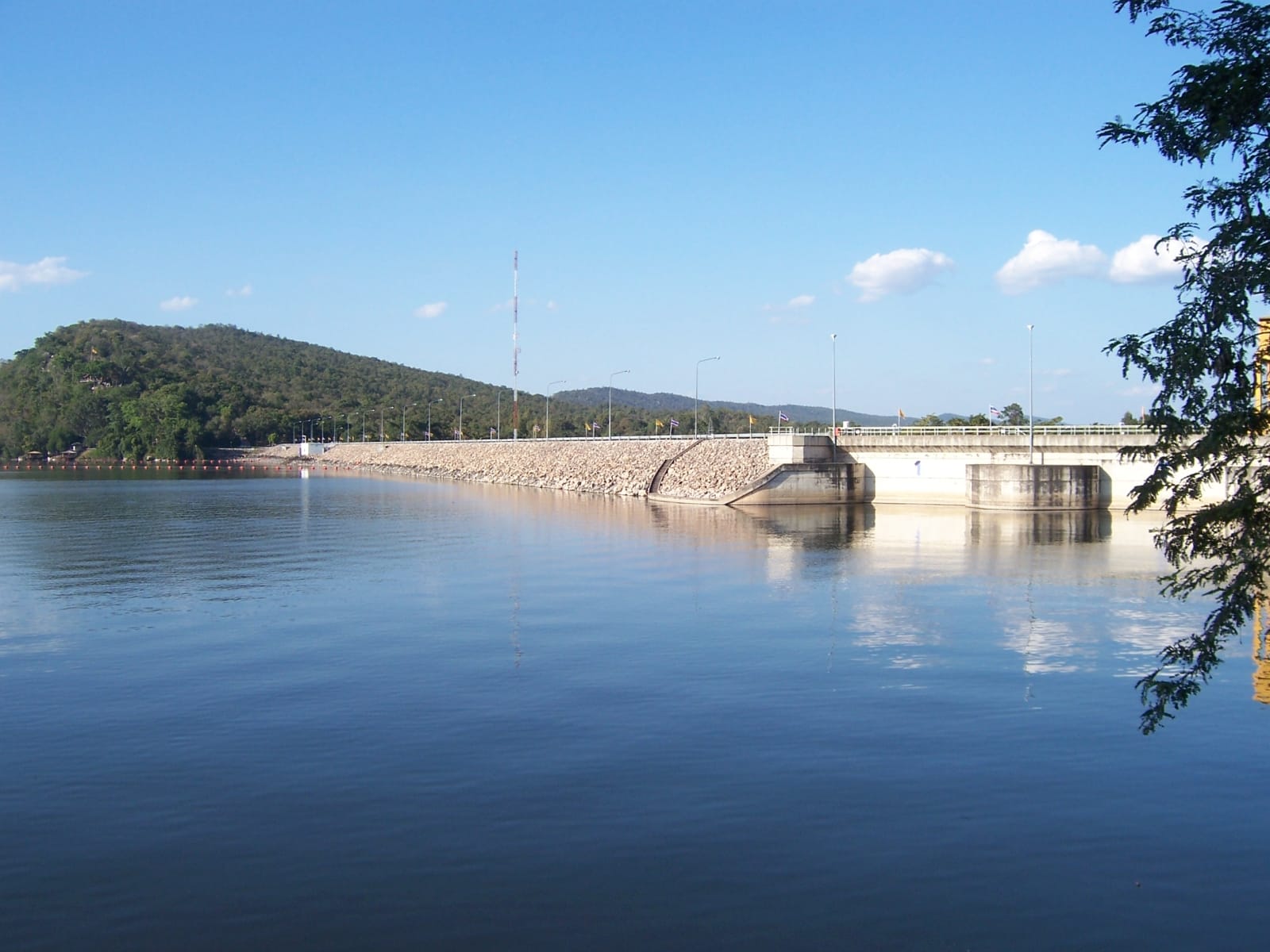
Ubol Ratana Dam was the first multipurpose dam in Isan, about 50 km from downtown Khon Kaen. The spots visitors go for are the dam crest, the riverside park, and the Bang Saen 2 zone, where floating raft restaurants let you eat in the cool breeze. Today is a chill day — no need to rush.
Ubol Ratana Dam–Bang Saen 2
Straight talk
The raft restaurants by the dam are decent overall, with the atmosphere being the real draw. But many of them price fish by weight without clear signage, and some reviews complain that prices don't match the menu. Ask for the per-kilo price and confirm it before they start cooking, so you're not caught off guard when the bill comes.
Day 3 — Hin Chang Si and the Phu Phan Kham view
On the last day you head up to the Phu Phan Kham side. The highlight is Hin Chang Si, a wide rock terrace on the ridge looking down over the entire Ubol Ratana Dam reservoir, with the Phu Wiang and Phu Kao ranges off in the distance. It's a viewpoint that hasn't been overrun yet — quieter than the dam, a calm way to end the trip.
Phu Phan Kham–Hin Chang Si
What each of these nature spots is actually like
Phu Wiang National Park
The first place dinosaurs were excavated in Thailand, with dig pits, footprints, bones, and Tat Fa Waterfall in the forest. Easy walking and good for families.
Ubol Ratana Dam
A big lake with floating raft restaurants, lakeside cycling, and fish lunches in the breeze. Great for a rest day without much walking.
Hin Chang Si, Phu Phan Kham
A rock terrace on the ridge looking down over the whole reservoir. Still not crowded, quiet, and lovely at sunrise and sunset.
Rough budget per person (3 days, 2 nights)
- Museum + 3 park entry fees — around 80–120 THB total (Thai rate)
- Car rental + fuel — about 1,000–1,400 THB/day, split among the group; with 4 people that's roughly 700–1,000 THB each for the whole trip
- Lakeside / in-town lodging — lakeside resorts start at 700–1,500 THB/night · in-town hotels come in many tiers
- Food — 80–200 THB per meal · a group raft fish lunch runs around 300–500 THB/person
- Estimated total — roughly 2,500–4,000 THB/person, depending on lodging level and how many people split the car
When's the best time to do this route
The best window is November to February — cool weather, plenty of water in the reservoir, clear views from Hin Chang Si, and comfortable raft time without the heat. Next best is the start of the rainy season (July–September), when Tat Fa Waterfall is full and the forest is green, though parts of the climb get slippery. From March to May it's very hot and the waterfall dries up; if you come then, lean on the dam and the air-conditioned museum instead.
Tip
Always check the Facebook pages for Phu Wiang and Phu Kao–Phu Phan Kham parks before you head out, because in parts of the rainy season they temporarily close the waterfall trails or viewpoints, and opening hours can shift with the season.
Want a good base for exploring nature around Khon Kaen?
See 10 Khon Kaen hotels →